5 min read
Share This Review
Our review
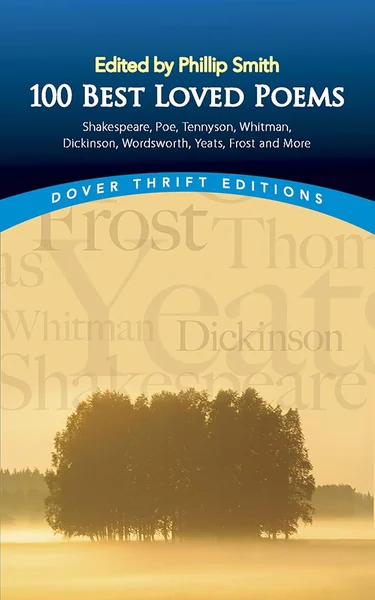
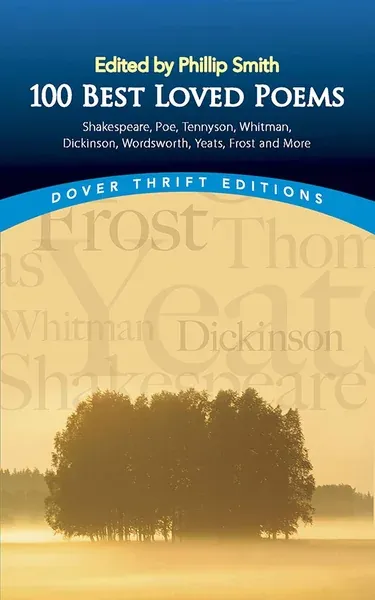
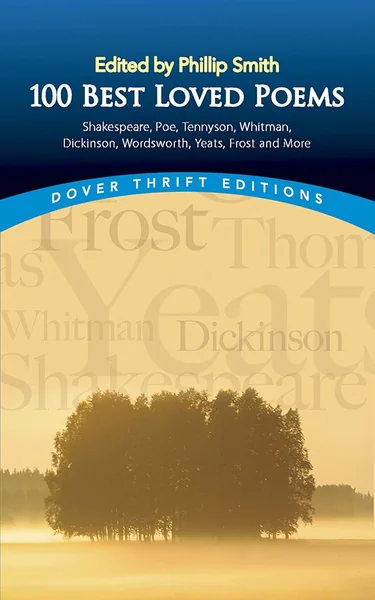
100 Best-Loved Poems
100 Best-Loved Poems by Philip Smith Review: A Curated Anthology
Philip Smith's 100 Best-Loved Poems gathers foundational English verse from the Middle Ages to the 20th century into a compact, budget-friendly collection. It serves as a practical entry point for casual readers and students, though it lacks the scholarly commentary and historical context found in more established anthologies.
LuvemBooks Verdict
Best for
Readers who prioritize accessibility and budget-friendly pricing over scholarly depth will find this compact collection of foundational English verse to be a reliable and practical entry point.
Worth it if
Worth reading if you seek a pocket-sized collection that introduces the English poetic tradition through a straightforward, annotation-free format.
Skip if
Skip it if you need detailed historical commentary, academic apparatus, or a timeline that reaches the twenty-first century.
What readers & critics say
Critics and readers highlight the anthology's accessibility and its index of popular, well-known poetry, while others praise the enduring worth of the included texts. Bookey.app describes it as a timeless gateway blending profound emotions, though readerocean.com notes the selections are hit-and-miss and the lack of navigation is a drawback.
Sources: archive.org, librarything.com, books.google.com, bookey.app, readerocean.com, allbookstores.comAsk LuvemBooks
Was this helpful?
- Is it worth reading?
- The anthology succeeds as a compact resource for introducing foundational English poetry without academic distraction. Critics and readers alike note its utility for casual readers and classroom supplementation. However, those seeking deep contextual analysis or scholarly apparatus will find the editorial notes minimal and may prefer more established classic editions.
- Similar books
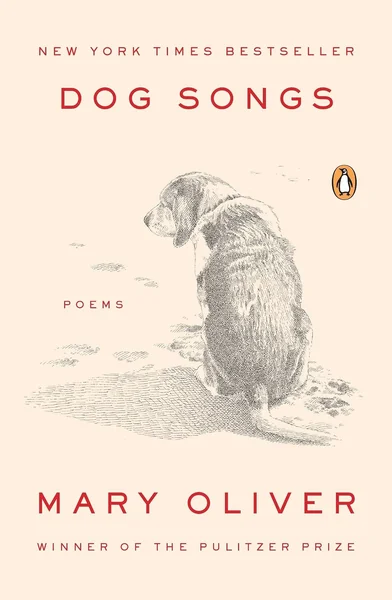
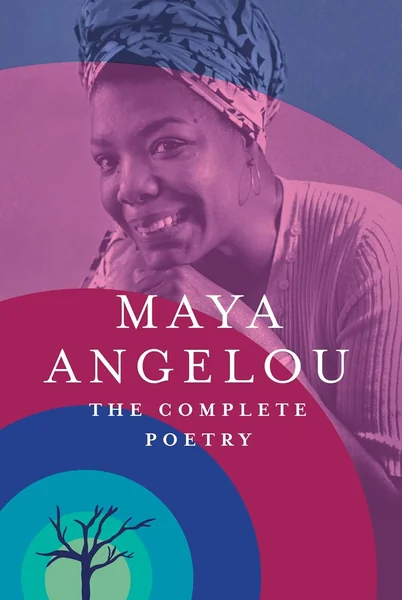
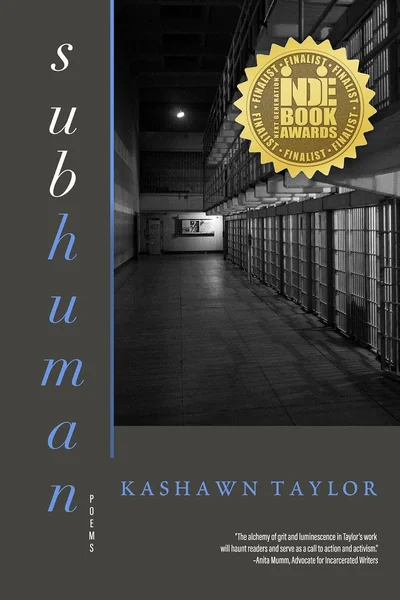
- If you are looking for other curated poetry collections that balance accessibility with strong curation, consider Dog Songs: Poems by Mary Oliver or The Complete Poetry by Maya Angelou, both of which are available in our catalogue. For readers who prefer comprehensive single-author volumes, Emily Dickinson’s complete works offer a deep dive into one master’s voice, while Subhuman: Poems by Kashawn Taylor provides a contemporary counterpoint to the classic selections here.
- Who should read this?
- This collection is best suited for casual readers, students, and educators. It works exceptionally well as a supplementary classroom text or a quick-reference volume for those who want to rediscover verses. It is less ideal for literary scholars or readers who demand extensive detail with each poem.
- What age is it for?
- Best for ages 11 and up, the anthology is explicitly designed for early high school readers and older. The foundational English verse makes it highly accessible, though the historical range and poetic devices may resonate more deeply with confident middle-grade and YA readers. It serves as a practical bridge to more complex literary studies.
- What's the reading level?
- The anthology operates at a middle-grade to early high school reading level, prioritizing clear language over academic complexity. The lack of dense apparatus makes it accessible, though the historical span from the Middle Ages to the 20th century requires a baseline comfort with evolving poetic forms. It functions best as a supplementary reading tool for students and casual readers.
- Is this suitable for classroom use?
- The volume is highly recommended for educational use, particularly for teachers looking to introduce students to the breadth of the English poetic canon. Its pricing and format allow educators to focus on reading and discussion rather than editorial commentary. However, instructors requiring detailed historical timelines or critical apparatus should pair it with additional academic resources.
Summarize this book
Follow up
Synthesized from verified book data & published reviews · How we review
What would you like to know about 100 Best-Loved Poems?
Answers come from our editorial notes on this book. If we haven't covered something, we'll say so.
Readers often ask
Our Review
We review the evidence: published reviews and reader verdicts, gathered and weighed with AI assistance and edited by LuvemBooks, rather than one reader's first-hand take.
What the Anthology Contains
Critical Reception and Editorial Approach
Is It Worth Reading?
Sources & Further Reading
The key facts and claims in this review are grounded in the retrieved, verified sources listed below.
- Cited in this review
- 1
books.google.com
- Further reading
- 2
- 3
librarything.com
- 4
- 5
- 6
books.google.com
- 7
bookey.app
Age & Reading Level
Our age band
Ages 11+
Reading level
Middle grade
Amazon listing
Ages 11 and up
Our age band groups books for browsing; it isn't an age a review gave.
who it suits
Best for: Ages 11+ — straightforward presentation of foundational English verse suitable for early high school readers.
Skip if you want detailed historical commentary or academic apparatus alongside the poems
Reader reviews
No LuvemBooks readers have answered yet.
Read it? Was it right for you?
Books like 100 Best-Loved Poems
Curated picks for readers who enjoyed 100 Best-Loved Poems, with our reasoning for each match.
If you liked 100 Best-Loved Poems