Skip to content
Reviewed

Read Time

7 min read

Our age bandAdult
Reader rating
4.8 · 2,884 Amazon ratings, as of Nov 2026
reader ratings, not a LuvemBooks score
Curated & edited by

LuvemBooks Editorial

How we create our reviews →
Share This Review
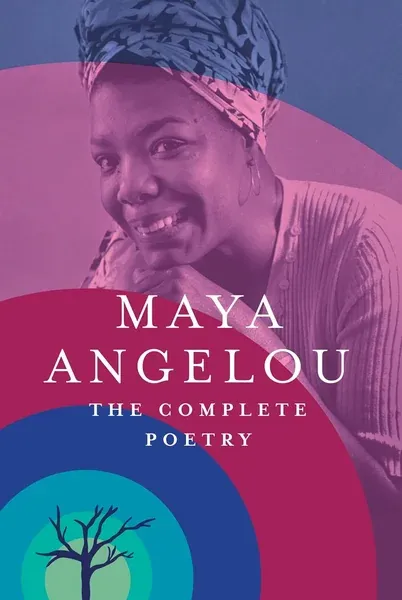
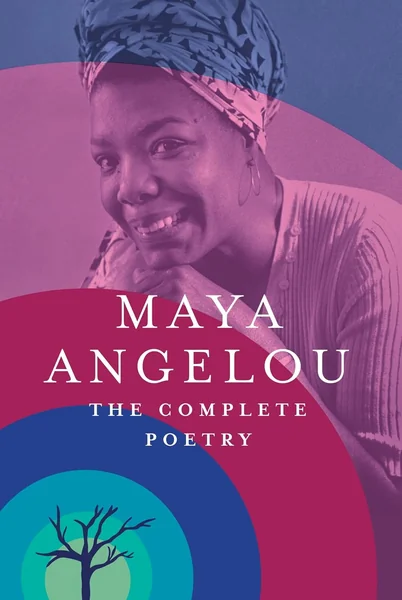
The Complete Poetry by Maya Angelou front cover

Our review

The Complete Poetry

The Complete Poetry Review: Praised for Its Song-Like Verse (Maya Angelou)

Maya Angelou: The Complete Poetry gathers her collected verse, from "Still I Rise" to the inaugural "On the Pulse of Morning" and final long poems. One reviewer praises its musical, powerful poems, while the wider critical record gives her poetry little scholarly attention.

Our age band: Adultslavery and racism · domestic violence

LuvemBooks Verdict

Best for

Readers who want Maya Angelou's verse in one place — song-structured, rhymed poems rooted in work songs, gospel and the blues, plus her best-known poems such as "Still I Rise" and "On the Pulse of Morning."

Worth it if

Worth reading if you want accessible, sound-driven poetry that carries hard subjects like slavery, racism and domestic violence in a melodious form, from her early collections through her later work.

Skip if

Skip it if you want dense, experimental or intricately argued poetry, or if you'd rather hear Angelou than read her: Wikipedia's summary of the 1994 predecessor says critic Lynn Z. Bloom finds her poems more compelling when she recites them.

As a collection it works for the readers who have written about it: the book blogger behind berniegourley.com gave it five of five stars and called it "powerful and poignant," and the blogger at cjuneadams.com praised its formal structure drawn from African American musical traditions. The academic picture is cooler: Wikipedia's summary of the earlier 1994 collection says her poetry has received little serious critical attention compared with her prose. The evidence is two blogs plus reference material, so it is positive but thin.

Sources: berniegourley.com, cjuneadams.com, Wikipedia
4.8from 2,884 Amazon ratings, as of Nov 2026— reader ratings, not a LuvemBooks score

Ask LuvemBooks

Was this helpful?

Maya Angelou: The Complete Poetry is the 2015 single-volume gathering of her published and publicly released verse, ranging from early to late work. It is best suited to readers who want accessible, rhythmic poems that carry weighty subjects in melodious form. The caveat is that critics have given her poetry far less serious study than her autobiographies, so it is not the pick for dense or experimental verse.
Is it worth reading?
Bernie Gourley's blog review is warm: he found the poems playful and melodious even on angry or distressing subjects, and he recommends the collection to poetry readers. The wider picture is more divided. Wikipedia's summary of the 1994 predecessor says her poetry has drawn little serious critical attention and that critics such as Lynn Z. Bloom rank her autobiographies higher. If you want sound and accessibility over critical prestige, it delivers.
Similar books
The closest companion is Angelou's own autobiography I Know Why the Caged Bird Sings, which C. June Adams reads the poems as continuing. For other poets in the same American tradition, readers often turn to The Collected Poems of Langston Hughes, Nikki Giovanni's Love Poems and The Collected Poems of Lucille Clifton 1965-2010.
Who should read this?
It suits readers who already love "Still I Rise" and want the poems around it, and those who prefer short, rhymed, rhythmic pieces. Adams found Angelou's work more formally structured than other poets on her doctoral-exam list, using rhyme schemes and African American musical forms. Reviewers praise the song structure and accessibility of the collection.
What age is it for?
This is a book written for adult readers, and no source we found gives an age recommendation. Reviewers mention slavery and racism among its subjects. Whether a given teen reader is ready for those themes is left to parents and teachers.
What do the poems deal with emotionally?
Gourley says her use of dialect builds authenticity and emotional weight. Adams adds that the poems about black womanhood often speak in the voice of a female blues singer lamenting a lost lover, and that the collection includes portraits of the dead and prophecies for future generations.
Is this better read or heard?
Lynn Z. Bloom finds the poems more compelling when Angelou recites them.
Summarize this book

Summarize this book

This is the 2015 Random House collection, published a year after Angelou's death, bringing together her published and publicly released poetry. It runs from Just Give Me a Cool Drink of Water 'fore I Diiie through "Still I Rise" and the inaugural poem "On the Pulse of Morning" to later long poems such as "A Brave and Startling Truth," "Amazing Peace," "His Day Is Done" and Mother. It also includes "Amazement Awaits," written for the 2008 Olympic Games.

Follow up

What does it add beyond the 1994 collection?
Should I read it front to back?

Synthesized from verified book data & published reviews · How we review

Ask LuvemBooks

What would you like to know about The Complete Poetry?

Answers come from our editorial notes on this book. If we haven't covered something, we'll say so.

Readers often ask

Our Review

We review the evidence: published critics, reader verdicts and BookTube reviews, gathered and weighed with AI assistance and edited by LuvemBooks, rather than one reader's first-hand take.
Maya Angelou: The Complete Poetry earns a five-star recommendation from one book blogger for poems that are "powerful and poignant," melodious even when the subject is anger or grief. The case for it rests on range: song-like early collections, longer occasional poems later.
The Complete Poetry by Maya Angelou front cover

What does The Complete Poetry collect?

This 2015 Random House volume appeared a year after Angelou's death and gathers her published and publicly released poetry in one book. Per the publisher, it opens up her reflections on African American life and hardship from Just Give Me a Cool Drink of Water 'fore I Diiie, her celebrations of womanhood in "Still I Rise," and her inaugural poem "On the Pulse of Morning," delivered at President Clinton's inauguration.
It also includes her final long-form poems: "A Brave and Startling Truth," "Amazing Peace," "His Day Is Done," and the tribute poem Mother. The previously unpublished "Amazement Awaits," commissioned for the 2008 Olympic Games, appears here too.
An earlier edition, The Complete Collected Poems of Maya Angelou, appeared in 1994. According to Wikipedia, it held her first five poetry books, published between 1971 and 1990, so the 2015 volume extends that record with her later work.

What did reviewers find in the poems?

The book blogger behind berniegourley.com gave it five of five stars and described the poems as playful and melodious even when their topics are angry or distressing. He wrote that she favors short pieces with rhyme and rhythm that please the ear, and that her use of dialect breathes authenticity into the poems and builds their emotional weight.
That reviewer also saw a shift while reading chronologically: later poems run a little longer and move toward free verse, though always with attention to sound. He allowed that this impression may partly come from the stand-alone occasional poems sitting near the end of the book.
He recommends the collection to poetry readers, calling it powerful, poignant, and beautiful in sound. His review is a rating and a reading, not a scholarly assessment, so it speaks for one attentive reader.

Which themes and traditions run through the book?

C. June Adams, a book blogger writing from a doctoral-exam reading list, identifies three main themes: black history, the passage of time, and feminism or black feminism. She notes that Angelou draws on work songs, gospel and the blues to structure the poems.
Her examples are specific. "Times-Square-Shoeshine-Composition" works as call and response, "One More Round" and "Pickin Em Up and Layin Em Down" use work-song refrains, and "Just Like Job" carries gospel feeling.
She reads "Still I Rise" as blues-like in its structure and repetition.
The same reviewer observes that the poems about black womanhood often take the voice of a female blues singer lamenting a lost lover. She also finds the collection reads like a continuation of Angelou's autobiographical cycle, with portraits of the dead and prophecies for future generations.
Compared with other poets on her list, she found Angelou's work more formally structured, using rhyme schemes and African American musical forms.

How is Angelou's poetry regarded critically?

Wikipedia's summary of the earlier 1994 collection records a gap between popularity and academic attention. It says her prose has been more successful than her poetry, which has received little serious attention from critics.
It cites critic William Sylvester saying her poetry has "received little serious critical attention" despite her best-selling books.
The same summary notes that many critics, including Lynn Z. Bloom, consider her autobiographies more important than her poetry, even though many readers think of her as a poet first. Bloom also finds the poems more interesting when Angelou recites them, describing her performances as "characteristically dynamic."

Is The Complete Poetry worth reading?

Weighing these reviews, the tension is between the ear and the academy. The bloggers who wrote about this edition treat the music as the achievement: rhyme, rhythm, gospel and blues structure carrying hard subjects like slavery and domestic violence in pleasing form.
The wider critical record, as Wikipedia summarises it, ranks the poems below the autobiographies and says they have drawn little rigorous study.
That points the book toward readers who want Angelou's voice in compact, sound-driven verse, and toward anyone who knows "Still I Rise" and wants the poems around it. It points away from readers seeking dense, experimental or intricately argued poetry, since the sources praise accessibility and formal song structure rather than complexity.
It also sits naturally beside her autobiographies, such as I Know Why the Caged Bird Sings. Adams reads the poems as a continuation of that life story, so the two together give the fullest picture.

Sources & Further Reading

The key facts and claims in this review are grounded in the retrieved, verified sources listed below.

  1. Cited in this review
  2. 1
  3. 2
  4. Further reading
  5. 3
  6. 4
  7. 5

Age & Reading Level

Our age band

Adult

Our age band groups books for browsing; it isn't an age a review gave.

Content to know about

slavery and racism
domestic violence
grief and loss

Skip if you want dense, experimental or intricately argued poetry rather than short, rhymed, song-structured verse.

From our readers

Reader reviews

Be one of the first readers to answer.

Read it? Was it right for you?

Books like The Complete Poetry

Curated picks for readers who enjoyed The Complete Poetry, with our reasoning for each match.

Discussion

Reader comments