Skip to content
Reviewed

Read Time

7 min read

Our age bandAdult
Reader rating
4.1 · 34 Amazon ratings, as of Nov 2026
reader ratings, not a LuvemBooks score
Curated & edited by

LuvemBooks Editorial

How we create our reviews →
Share This Review
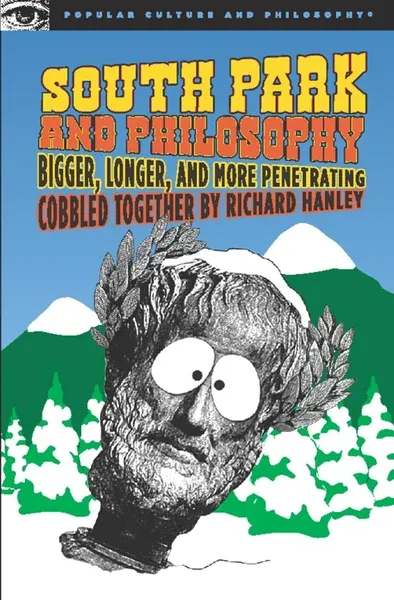
South Park and Philosophy: Bigger, Longer, and More Penetrating (Popular Culture and Philosophy) by Richard Hanley front cover

Our review

South Park and Philosophy

South Park and Philosophy by Hanley Review: An Irreverent Pop Culture Analysis

This anthology uses South Park's crude humor to explore applied ethics and culture shock. While the editor's heavy authorship limits its breadth, the collection remains a sharp, unfiltered companion for fans of the show and irreverent philosophy.

Our age band: Adultexplicit language · racial epithets of the period

LuvemBooks Verdict

Best for

Dedicated fans of South Park seeking an accessible, irreverent entry point into the philosophical and ethical debates sparked by the show's taboo subjects.

Worth it if

Worth reading if you enjoy seeing classical philosophical frameworks applied to crude, boundary-pushing comedy and want a book that fearlessly tackles religious and moral critiques.

Skip if

Skip it if you are looking for a rigorous academic primer on the show's philosophy, as the editor's heavy contribution creates an uneven depth that some critics find academically shallow.

Jerry Rhodes of the University of Delaware's UDaily and Victor Greto of The News Journal, as cited on Wikipedia, praise the collection for using comedy to confront uncomfortable subjects, with Greto noting readers will likely laugh and squirm. However, reception on Everand criticizes the volume for being dominated by the editor's thinly-disguised opinion pieces, while Amazon.in readers have called it a disappointment for lacking philosophical depth.

Sources: Wikipedia, Everand
4.1from 34 Amazon ratings, as of Nov 2026— reader ratings, not a LuvemBooks score; an early, small sample

Ask LuvemBooks

Was this helpful?

South Park and Philosophy: Bigger, Longer, and More Penetrating is a 2007 volume by Richard Hanley that uses the animated series' crude humor to explore religion and culture shock. While Hanley's heavy authorship limits the collection's breadth, the book remains a sharp, unfiltered companion for readers seeking an accessible entry point into the philosophical debates sparked by the show's controversial topics. Readers who appreciate classical frameworks in comedy will find the project worthwhile, particularly for its fearless examination of taboo topics.
Is it worth reading?
It is worth reading if you appreciate classical frameworks in comedy and want a book that fearlessly tackles religious and moral critiques. While some essays act as direct vehicles for the authors' opinions and Hanley's extensive writing creates noticeable imbalance, most readers will find the collection sharp and necessary for understanding early-2000s pop culture analysis.
Similar books
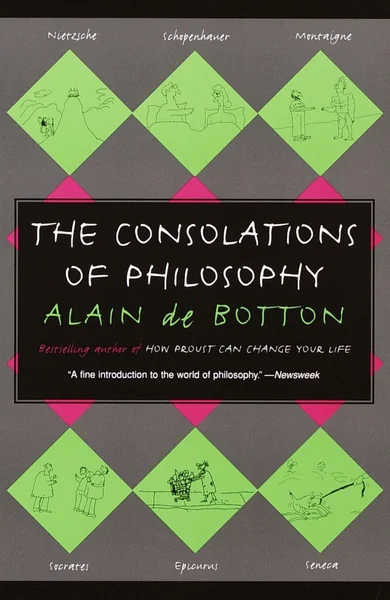
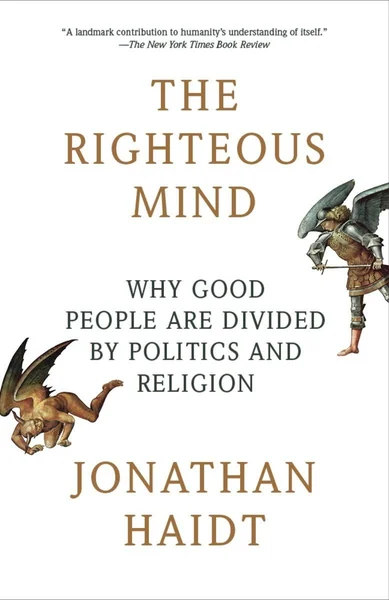
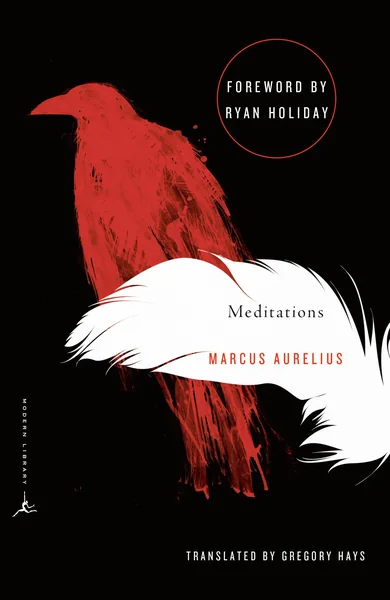
Readers who enjoy this blend of pop culture and ethics might also appreciate The Consolations of Philosophy by Alain De Botton, which applies philosophical ideas to everyday life, or The Righteous Mind: Why Good People are Divided by Politics and Religion by Jonathan Haidt, which explores the moral foundations of politics and religion. For those interested in the specific philosophical analysis of animated satire, Meditations by Marcus Aurelius offers a foundational stoic perspective often discussed in pop culture philosophy texts.
Who should read this?
This anthology is best suited for fans of South Park who want an accessible, irreverent guide to the ethical discussions surrounding the show. It also appeals to readers interested in early-2000s pop culture analysis who want to see how academic discourse intersects with cartoon comedy. It is less ideal for those looking for a rigorous reference or a polished, uncensored-free scholarly style.
What age is it for?
The book is written for adults due to its heavy reliance on offensive terms, mature content, and mature theological and ethical critiques. While it analyzes the animated series South Park, the academic and satirical tone, combined with its unfiltered content, makes it unsuitable for children or middle-grade readers.
How rigorous is the academic content?
A reviewer on Everand notes that the essays function as straightforward introductions to scholarly discussion rather than rigorous case studies. While some contributors, like Dr. Randall Auxier, provide solid philosophical exploration, others prioritize personal viewpoints over using South Park to discuss philosophy, leading to uneven depth across the volume.
Does the editor's heavy involvement affect the book?
Yes, Hanley's decision to write 14 of the 22 essays creates a structural weakness that some reviewers note detracts from the overall quality. This concentration of authorship leads to a structural weakness where the volume sometimes acts as a platform for Hanley's individual opinions rather than a diverse anthology of philosophical perspectives.
Summarize this book

Summarize this book

Edited by Richard Hanley and published in 2007, this anthology examines the philosophical and popular culture impacts of the animated series South Park. Structured around five thematic sections, the essays tackle applied ethics, theology, and politics by isolating specific episodes to extract broader moral and logical dilemmas. The collection uses the show's irreverent dialogue to dissect complex arguments on topics ranging from stem-cell research to gay marriage.

Follow up

Is this a rigorous academic text?
How is the book organized?

Synthesized from verified book data & published reviews · How we review

Ask LuvemBooks

What would you like to know about South Park and Philosophy?

Answers come from our editorial notes on this book. If we haven't covered something, we'll say so.

Readers often ask

Our Review

We review the evidence: published reviews and reader verdicts, gathered and weighed with AI assistance and edited by LuvemBooks, rather than one reader's first-hand take.

What the Book Actually Is and What It Covers
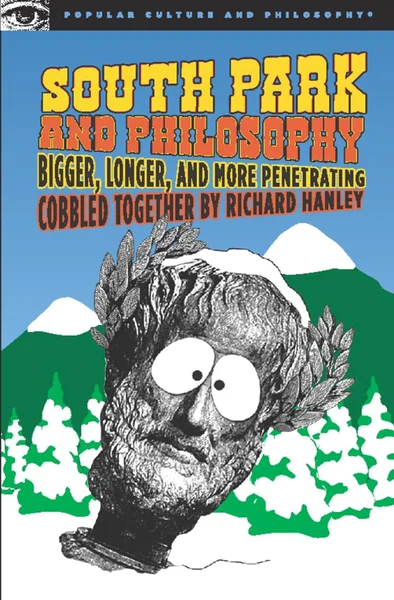
South Park and Philosophy: Bigger, Longer, and More Penetrating (Popular Culture and Philosophy) by Richard Hanley front cover
South Park and Philosophy: Bigger, Longer, and More Penetrating (Popular Culture and Philosophy) is a non-fiction anthology edited by Richard Hanley that examines the philosophical and popular culture impacts of the animated series. Published by Open Court in 2007, the collection is structured around five thematic sections: "Religion and Other Disabilities," "Politics and Other Sacred Cows," "Morality and Other Urges," "Science, Logic and Other Really, Really Clever Stuff," and Humor and Other Insertable Devices.
The essays tackle applied ethics, addressing topics such as stem-cell research, euthanasia, drugs in sports, human evolution, the environment, and gay marriage. The publisher's description highlights the collection's intent to tackle taboo subjects through the show's irreverent dialogue.

The Philosophical Framework and Content

Each chapter isolates specific episodes to extract broader moral and logical dilemmas. The collection avoids mere plot summary, though a reviewer on Everand finds the essays often serve as thinly-disguised vehicles for the authors' opinions rather than rigorous case studies.
Hanley explains his choice of subject matter by stating, South Park is like the Simpsons, but with a lot less restrictions, and almost every episode pushes the envelope. The book includes an essay by Southern Illinois University philosophy professor Dr. Randall Auxier titled "Killing Kenny: Our Daily Dose of Death," which uses the recurring death of the character Kenny to explore mortality.
Hanley himself authored fourteen of the twenty-two essays, including an analysis of Scientology and the Xenu mythology from the episode Trapped in the Closet, which he compares to elements of Christianity and the virgin birth. The collection frequently utilizes the show's explicit language and racial epithets to dissect complex theological and moral arguments.

Strengths: Cultural Confrontation and Accessible Philosophy

The anthology succeeds in celebrating the show's ability to confront issues that typically make viewers uncomfortable. Jerry Rhodes noted in an interview with the University of Delaware's UDaily that Hanley's work highlights this capacity to tackle difficult subjects through comedy.
Victor Greto, writing for The News Journal, observed that while some of the humor "falls flat," most readers will laugh out loud while simultaneously squirming. The book's willingness to analyze the show's critique of religion and its use of provocative language provides a raw, unvarnished look at the philosophical underpinnings of modern satire.
Rhodes emphasized that Hanley's editorial approach respects the intellectual weight of the source material. The essays function as accessible entry points into academic discourse, using pop culture as a vehicle rather than an afterthought.

Limitations: Authorial Dominance and Pacing

The collection's reliance on Hanley's own writing creates a noticeable imbalance that some readers find detracts from the overall quality. A reviewer on Everand criticized the volume, noting that too many essays are written by Hanley himself or by an undergraduate student, resulting in "thinly-disguised vehicles for the opinions of the authors."
This reviewer argued that the essays often prioritize the authors' personal viewpoints over using South Park as a means to discuss philosophy. The Everand critique highlights a structural weakness common in edited volumes where the editor dominates the contributor list.
Additionally, Greto pointed out that the book's heavy proclivity towards racial epithets and explicit language may alienate readers seeking a more polished academic tone. The episodic nature of the chapters means the philosophical depth varies significantly from one contributor to the next.

Our Take: Is It Worth Reading?

The available reception suggests the anthology serves best as a supplementary text for dedicated fans of South Park rather than a standalone academic primer. The Everand reviewer suggested that readers looking for a smarter book on South Park should instead consider Arp's South Park and Philosophy or Johnson-Woods's Blame Canada!
Comparing the volume to Arp's South Park and Philosophy reveals a difference in editorial strategy and contributor breadth. Johnson-Woods's Blame Canada!
Offers a more focused political analysis, whereas Hanley's work casts a wider net across various ethical domains. However, Hanley's collection remains a valuable artifact of early-2000s pop culture analysis, capturing a moment when the show was actively reshaping public discourse on religion and ethics.
Readers who enjoy seeing philosophical frameworks applied to crude, boundary-pushing comedy will find the project worthwhile, particularly for its fearless examination of taboo topics. The volume stands as a testament to the enduring academic relevance of animated satire.
A 2007 anthology edited by Richard Hanley uses South Park's crude humor to explore applied ethics, religion, and culture shock. While Hanley's heavy authorship limits its breadth, the collection remains a sharp, necessary companion for fans of the show and irreverent philosophical inquiry.

Sources & Further Reading

The key facts and claims in this review are grounded in the retrieved, verified sources listed below.

  1. Cited in this review
  2. 1
  3. Further reading
  4. 2
  5. 3
  6. 4
  7. 5

Age & Reading Level

Our age band

Adult

Our age band groups books for browsing; it isn't an age a review gave.

Content to know about

explicit language
racial epithets of the period
theological critique
mature ethical debates

Best for: Adults — explicit language and mature theological/ethical critiques

Skip if you're looking for a rigorous academic primer or a polished, uncensored-free academic tone

From our readers

Reader reviews

No LuvemBooks readers have answered yet.

Read it? Was it right for you?

Books like South Park and Philosophy

Curated picks for readers who enjoyed South Park and Philosophy, with our reasoning for each match.

Discussion

Reader comments