
BOOKS
Published
Read Time
6 min read
Our Rating
3.5
Reviewed by
LuvemBooks
Share This Review
Meditations Marcus Aurelius Contemporary Adaptation Review: Ancient Wisdom, Modern Voice
Our Rating
3.5
A visually engaging, accessible adaptation of Marcus Aurelius's private philosophical journals, this illustrated edition makes Stoic ideas genuinely approachable for modern readers — though it trades some philosophical precision for readability, and the absence of scholarly apparatus limits its value for serious students of the text.
In This Review
- What Works & What Doesn't
- SECTION 4: REVIEW CONTENT
- A Private Journal Made Public
- The Illustrated Approach and Visual Presentation
- Core Stoic Themes and What This Adaptation Emphasizes
- Where the Adaptation Has Limitations
- Who This Edition Serves Best
- Where to Buy
What Works & What Doesn't
What Works
- Modernized language makes dense Stoic philosophy genuinely accessible to first-time readers
- Illustrated format supports the meditative, reflective nature of the original text
- Preserves the urgency and self-directed tone that distinguishes *Meditations* from other philosophical works
- Well-suited as a gift edition or entry point into classical philosophy
What Doesn't
- Adapting the Greek original for accessibility inevitably loses some philosophical precision and nuance
- Lacks scholarly apparatus — no rigorous editorial introduction explaining the adaptation methodology
- More experienced readers of Stoic philosophy may find the modernization flattens the text's demanding, terse quality
- Without translator attribution clearly foregrounded, readers cannot easily assess the interpretive choices made
SECTION 4: REVIEW CONTENT
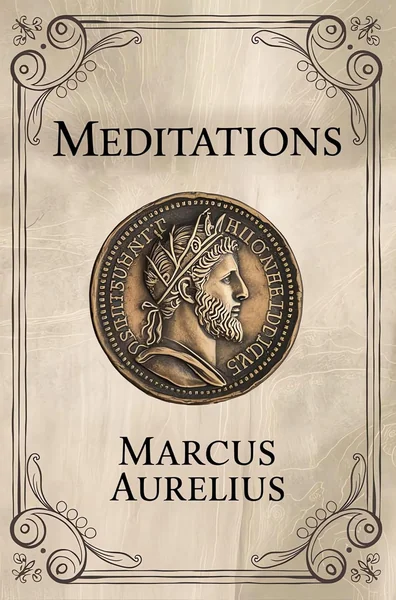
Is the Marcus Aurelius Meditations contemporary adaptation worth reading in an era already flooded with Stoicism content? That question deserves a careful answer. A solid entry point for newcomers, though scholars will find it too smooth. The original Meditations was never meant to be published. Marcus Aurelius wrote these private reflections to hold himself accountable — not to instruct posterity. That tension between intimacy and philosophy sits at the heart of every edition, and this contemporary illustrated adaptation handles it with reasonable care. For readers new to Stoicism, this Marcus Aurelius book offers a genuine entry point. For those already familiar with Seneca's Letters or Epictetus's Enchiridion, it raises fair questions about translation philosophy and editorial choices.
A Private Journal Made Public
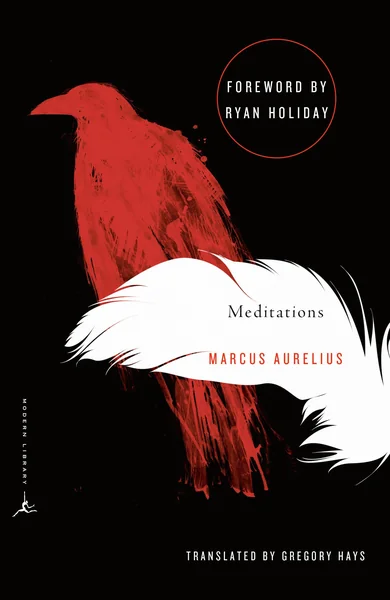
The Meditations occupies a strange position in philosophy. Unlike Plato's dialogues or Aristotle's treatises, it was composed as a series of personal reminders — moral exercises written in Greek by a Latin-speaking emperor who happened to rule the ancient world. This edition's "contemporary adaptation" framing signals an important distinction: this is not a strict translation but a modernized rendering aimed at accessibility. Readers should enter with that expectation clearly set. The prose has been reshaped to reduce the formal distance that characterizes more scholarly editions, such as those by translators Gregory Hays or Robin Hard.
That accessibility is the book's clearest strength. Dense Stoic concepts — the dichotomy of control, the discipline of impulse, the view from above — are rendered in language that feels immediate rather than archaic. The adaptation smooths over some of the original's more compressed, elliptical passages, making the reading experience considerably less demanding than a traditional translation. Whether that counts as a virtue depends entirely on what a reader wants from the text.
The Illustrated Approach and Visual Presentation
The cover design signals the book's intent clearly. The visual presentation positions this as an accessible, aesthetically considered edition rather than an academic text. The illustrated format sets it apart from standard philosophical reprints, suggesting that images have been deployed to support the reflective, meditative quality of the writing itself.
This is a defensible choice. The Meditations is, at its core, a Stoicism book meant to be returned to repeatedly rather than consumed linearly. Illustrations that punctuate the text can function as visual pauses — prompts to slow down and sit with an idea before moving forward. The illustrated edition format works best when artwork engages directly with the philosophical content rather than simply decorating it. How successfully this edition achieves that balance will vary by reader preference.
Core Stoic Themes and What This Adaptation Emphasizes
The Meditations returns obsessively to a small set of ideas: the impermanence of all things, the irrelevance of external opinion, the necessity of acting virtuously regardless of outcome, and the value of returning — again and again — to reason. Marcus Aurelius writes with a particular urgency because he is writing to himself. He already knows the philosophy. He is trying to live it.
This contemporary adaptation preserves that urgency reasonably well. The Stoic concept most central to the text — that we control our judgments and responses, not external events — comes through with clarity. The book's approach is well-suited to readers coming to this Stoicism book for the first time, offering a more direct path into the ideas than the circular, self-interrogating style of the original sometimes allows.
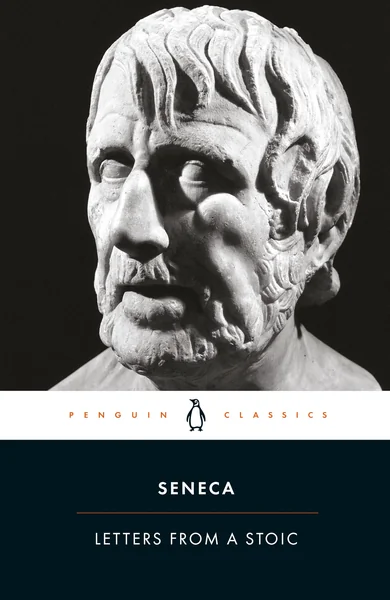
Fans of Ryan Holiday's The Obstacle Is the Way, which draws heavily on Marcus Aurelius, will recognize the thematic territory immediately. Similarly, readers who have found value in Seneca's Letters from a Stoic may want to read both editions in parallel, as Seneca's more conversational structure provides useful contrast to Marcus Aurelius's terse, inward style.
Where the Adaptation Has Limitations
The main weakness of any contemporary adaptation of a classical text is the same: compression and modernization inevitably involve loss. Marcus Aurelius wrote in Greek with philosophical precision. Words like logos, hegemonikon, and phantasia carry technical Stoic meanings that simplified English equivalents only partially capture. This edition, in prioritizing readability, will occasionally flatten nuance that more scholarly readers will notice and miss.
There is also a degree of irony worth acknowledging. Marcus Aurelius was, famously, a man who believed deeply in doing one's duty regardless of one's circumstances — yet his circumstances were extraordinary. He governed an empire, commanded armies, and faced plagues and political betrayal, all while writing these self-corrections. An adaptation that softens the text risks softening that context too, making the philosophy feel more comfortable than it was actually meant to be.
Additionally, without a rigorous editorial introduction explaining the adaptation choices and methodology, readers have limited means to assess what has been changed and why. The scholarly apparatus — notes, context, comparison with the Greek — is largely absent here, which is a reasonable trade-off for accessibility but worth knowing before purchase.
Who This Edition Serves Best
This contemporary illustrated adaptation is well-suited for readers who want their first serious encounter with Marcus Aurelius without navigating the density of an academic translation. It is also a fair gift edition — visually appealing and accessible enough to give to someone curious about Stoicism but uncertain where to start. Readers who want the fullest engagement — including the rougher, more demanding passages — will eventually want a scholarly translation alongside it.
As an entry point into one of antiquity's most enduring Stoic texts, this Marcus Aurelius Meditations contemporary adaptation earns its place on the shelf.
Where to Buy
If an accessible, illustrated first encounter with Marcus Aurelius is what you're after, this edition delivers — tap the Amazon link in the sidebar for the current price.
Frequently Asked Questions
Is this contemporary adaptation of Meditations worth reading?
The reviewer gives it a qualified yes, rating it 3.5 out of 5 stars. It earns its place as a genuine entry point for new readers, though those seeking the fullest engagement with the text will eventually want to supplement it with a more scholarly translation.
Who is this edition best suited for?
The reviewer says it is well-suited for readers who want their first serious encounter with Marcus Aurelius without navigating the density of an academic translation. It is also described as a fair gift edition for someone curious about Stoicism but uncertain where to start.
Is the $9.99 price reasonable for this adaptation?
The reviewer does not directly address value for money, but describes the edition as earning its place on the shelf as an entry point into one of antiquity's most enduring Stoicism books, implying it delivers on its modest promise at that price point.
What are the main Stoic themes this adaptation covers?
The reviewer highlights a recurring set of ideas throughout the text: the impermanence of all things, the irrelevance of external opinion, the necessity of acting virtuously regardless of outcome, and the value of returning again and again to reason. The concept most central to the text — that we control our judgments and responses, not external events — is said to come through with particular clarity.
How does this adaptation handle the dichotomy of control?
The reviewer notes that the Stoic concept of controlling one's judgments and responses rather than external events comes through clearly in this edition. The contemporary language makes this core idea feel immediate and accessible to first-time readers.
What is the biggest strength of this contemporary adaptation?
The reviewer identifies accessibility as the book's clearest strength. Dense Stoic concepts are rendered in language that feels immediate rather than archaic, making the reading experience considerably less demanding than a traditional scholarly translation.
What are the main weaknesses or limitations of this edition?
The reviewer points to two key limitations: first, that modernization and compression inevitably flatten philosophical nuance, particularly around Greek technical terms like logos, hegemonikon, and phantasia; and second, that the absence of a rigorous editorial introduction leaves readers with little means to assess what has been changed from the original and why.
Does the adaptation lose anything from the original Greek text?
Yes, according to the reviewer. Words carrying precise technical Stoic meanings in Greek are only partially captured by simplified English equivalents, and the adaptation's drive toward readability occasionally flattens nuance that more scholarly readers will notice and miss.
How does this edition compare to translations by Gregory Hays or Robin Hard?
The reviewer uses the Hays and Hard translations as benchmarks for scholarly rigor, noting that this contemporary adaptation has been reshaped to reduce the formal distance that characterizes those more academic editions. Readers wanting a demanding, precise engagement with the text are implicitly directed toward those alternatives.
How does this book compare to Ryan Holiday's The Obstacle Is the Way?
The reviewer notes that fans of Ryan Holiday's book, which draws heavily on Marcus Aurelius, will recognize the thematic territory immediately. The comparison suggests this adaptation covers similar ground but returns directly to the source material rather than reframing it through a modern lens.
Should I read this alongside Seneca's Letters from a Stoic?
The reviewer suggests that readers already familiar with Seneca may want to read both editions in parallel, because Seneca's more conversational structure provides useful contrast to Marcus Aurelius's terse, inward style. It is framed as a complementary pairing rather than a replacement for either work.
What is the writing style like in this contemporary adaptation?
The prose has been reshaped to feel immediate rather than archaic, smoothing over the original's more compressed and elliptical passages. The result is a reading experience the reviewer describes as considerably less demanding than a traditional translation, though whether that is a virtue depends on what a reader wants from the text.
Does this edition include scholarly notes or editorial context?
No, the reviewer explicitly flags that scholarly apparatus — notes, context, and comparison with the Greek — is largely absent from this edition. The reviewer frames this as a reasonable trade-off for accessibility but emphasizes it is worth knowing before purchase.
How does the illustrated format work for a philosophy book?
The reviewer argues it is a defensible choice, suggesting that illustrations can function as visual pauses — prompts to slow down and sit with an idea before moving forward. The reviewer notes that the format works best when artwork engages directly with the philosophical content rather than simply decorating it, while acknowledging that how successfully this edition achieves that balance will vary by reader preference.
Is this a strict translation or something else?
The reviewer is clear that this is not a strict translation but a modernized rendering aimed at accessibility. Readers are advised to enter with that expectation clearly set, as the framing of a contemporary adaptation signals an important distinction from more scholarly editions.
Why did Marcus Aurelius originally write the Meditations?
According to the reviewer, the Meditations was never meant to be published. Marcus Aurelius wrote these private reflections to hold himself accountable — moral exercises composed in Greek by a Latin-speaking emperor who was trying to live the philosophy he already knew, not to instruct posterity.
Does the adaptation preserve the urgency and personal tone of the original?
The reviewer says it does so reasonably well. The sense that Marcus Aurelius is writing to himself with moral urgency is preserved, though the reviewer also warns that softening the text risks softening the extraordinary context of a man governing an empire, commanding armies, and facing plagues and political betrayal while writing these self-corrections.
Is this a good standalone read for someone new to Stoicism?
Yes, the reviewer describes it as offering a more direct path into Stoic ideas than the circular, self-interrogating style of the original sometimes allows. It is positioned as a genuine entry point for first-time readers rather than a replacement for deeper study.
Should experienced philosophy readers bother with this edition?
The reviewer is candid that readers already familiar with works like Seneca's Letters or Epictetus's Enchiridion will raise fair questions about translation philosophy and editorial choices. Those wanting the fullest possible engagement with the text are advised to supplement this edition with a scholarly translation.
BEST DEAL
Related Reviews
Reviews of books we picked for readers who enjoyed Meditations Marcus Aurelius.


Reader Comments
No comments yet
Be the first to share your thoughts!