
8 min read
4.7
· 76 Amazon ratingsShare This Review
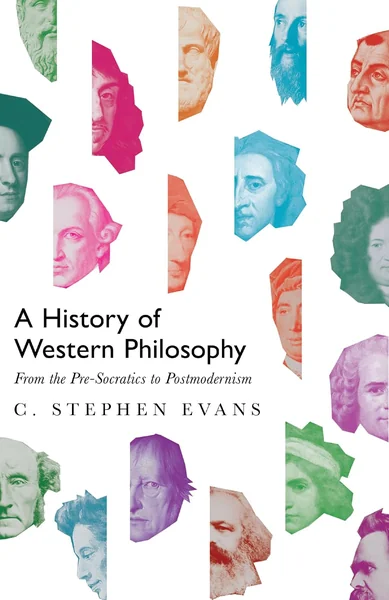
A History of Western Philosophy by C. Stephen Evans Review: A Comprehensive, Christologically Framed Survey
C. Stephen Evans's A History of Western Philosophy: From the Pre-Socratics to Postmodernism is a single-volume academic textbook published by IVP Academic in 2018 that surveys the full arc of Western philosophical thought — from Thales and the Pre-Socratics through Nietzsche and postmodernism — while distinctively foregrounding the relationship between philosophical inquiry and Christian belief. This review is based on published source commentary and the book's documented contents, not hands-on use.
LuvemBooks Verdict
Best for
Students and instructors in Christian academic contexts — seminaries, faith-based colleges, and theology programmes — who want a single-volume, introductory survey of Western philosophy that takes theological questions seriously as philosophical ones.
Worth it if
Worth reading if you want a clearly structured, introductory sweep from the Pre-Socratics to postmodernism that gives the Medieval period its due weight and frames the entire tradition through the lens of philosophy's ongoing engagement with Christian thought.
Skip if
Skip it if you need a secular, analytic, or religiously neutral survey of Western philosophy, or if you want deep specialist coverage of postmodernism on its own continental or non-theological terms — the book's Christian interpretive framework and introductory scope will feel limiting on both counts.
What readers & critics say
Jwwartick.com describes the book as "a valuable entry in the list of single-volume histories of philosophy," noting that Evans approaches the topic from a Christian perspective while integrating critiques into his exposition. Faithandselfdefense.com characterises it as "an excellent introductory textbook for serious Christian apologists," and readingreligion.org acknowledges that criticism aimed at Evans's treatment of postmodernism — prominently marketed in the subtitle — may be justified based on his conception of what Western philosophy constitutes as an independent movement.
Sources: jwwartick.com, faithandselfdefense.com, readingreligion.orgAge & Reading Level
Recommended age
Adult
Reading level
Adult
Skip if you want a secular, analytic, or continental survey of Western philosophy unfiltered by a Christian interpretive framework.
In This Review
- What Works & What Doesn't
- What the Book Is and What It Argues
- Scope, Structure, and Coverage
- A Valued Entry in a Competitive Field
- The Christian Perspective as Strength and Limitation
- Who This Textbook Is Designed For
What Works & What Doesn't
What Works
- Surveys the full arc of Western philosophy — from Thales and the Pre-Socratics through Nietzsche and postmodernism — in a single, structured volume
- Distinctive argument that Christian belief is integral to understanding Western philosophical development, expanding coverage of thinkers such as Augustine, Aquinas, and Ockham
- Devotes five chapters to the Medieval era, correcting a common imbalance in secular survey texts
- Described by the Reading Religion reviewer as providing 'masterful clarity' as an introductory manual
- Endorsed by senior scholars in the Christian academic tradition as a valuable and rare contribution to the genre
What Doesn't
- The Christian interpretive framework means the book is most naturally at home in faith-based academic contexts; readers seeking a secular or strictly analytic survey will find the framing a persistent departure from their expectations
- The Reading Religion reviewer raises legitimate questions about whether the treatment of postmodernism fully delivers on the prominence that movement receives in the subtitle
What the Book Is and What It Argues
Scope, Structure, and Coverage
A Valued Entry in a Competitive Field
The Christian Perspective as Strength and Limitation
Who This Textbook Is Designed For
Frequently Asked Questions
Sources & Further Reading
The key facts and claims in this review are grounded in the retrieved, verified sources listed below.
- Cited in this review
- 1
- 2
- 3
- Further reading
- 4
readingreligion.org
- 5
- 6
Reader Comments
No comments yet
Be the first to share your thoughts!