C. Stephen Evans
1
Books Reviewed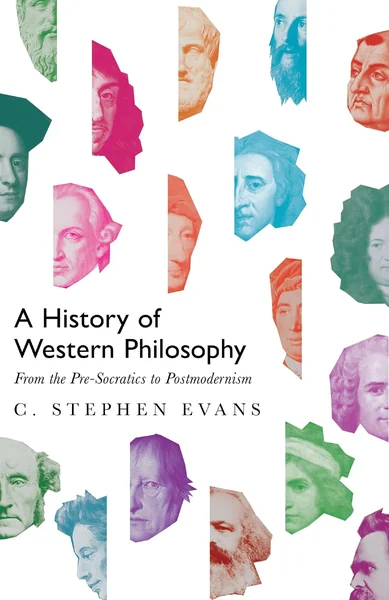
Ask LuvemBooks about C. Stephen Evans
- Where should I start?
- Start with A History of Western Philosophy: From the Pre-Socratics to Postmodernism — it's the C. Stephen Evans book we've reviewed, and as a comprehensive single-volume survey it works well as an entry point. Readers on Amazon rate it 4.7/5 across 76 ratings, which is a strong signal for an academic textbook.
- What's their writing style?
- Evans writes in a scholarly, survey-driven register suited to academic readers. What makes their approach distinctive is how they trace the full arc of Western philosophy — from Thales and the Pre-Socratics through Nietzsche and postmodernism — while consistently foregrounding the relationship between philosophical inquiry and Christian belief.
- Books we've reviewed
- We've reviewed 1 book by C. Stephen Evans. A History of Western Philosophy: From the Pre-Socratics to Postmodernism is a single-volume survey of Western thought that stands out for its attention to Christian belief, and it carries a 4.7/5 reader rating from 76 Amazon ratings.
- What genre do they write?
- Evans writes in Philosophy & Religion. Their reviewed book, A History of Western Philosophy, is an academic textbook that combines a broad history of philosophy with sustained attention to Christian belief — fitting for an author whose scholarly expertise is Søren Kierkegaard.
- What makes A History of Western Philosophy different?
- Most single-volume histories of philosophy treat religion as background; Evans's survey distinctively foregrounds the relationship between philosophical inquiry and Christian belief throughout. It still covers the standard arc — Pre-Socratics to postmodernism — but through a lens shaped by the author's deep expertise in Kierkegaard and philosophy of religion.
Who is C. Stephen Evans?
Follow up
Synthesized from verified book data & published reviews · How we review
Press Enter to ask. Answers come from our editorial Q&A — start typing to see related questions.
Authors Like C. Stephen Evans
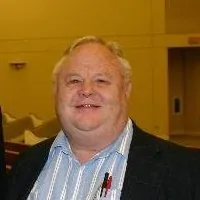
John M. Frame
John McElphatrick Frame is a retired American Christian philosopher and Calvinist theologian especially noted for his work in epistemology and presuppositional apologetics, systematic theology, and ethics.
1 book reviewed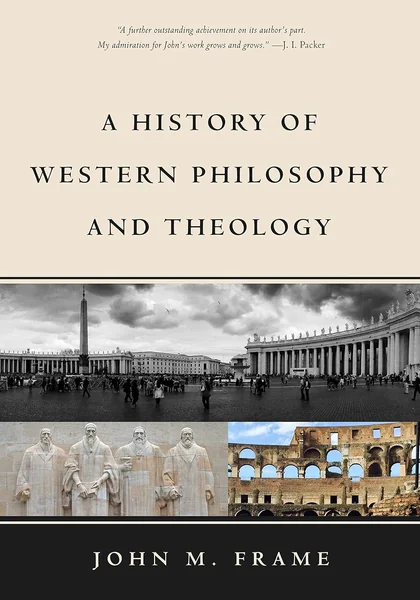
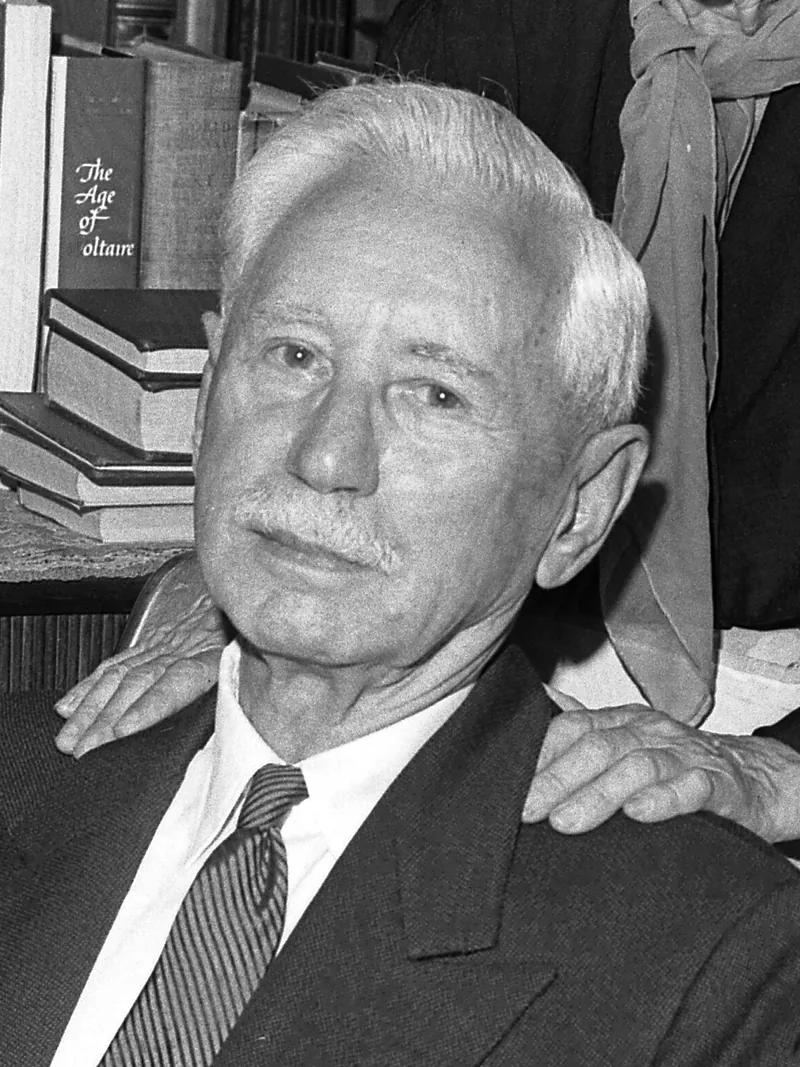
Will Durant
William James Durant was an American historian and philosopher, best known for his eleven-volume work, The Story of Civilization, which contains and details the history of Eastern and Western civilizations.
1 book reviewed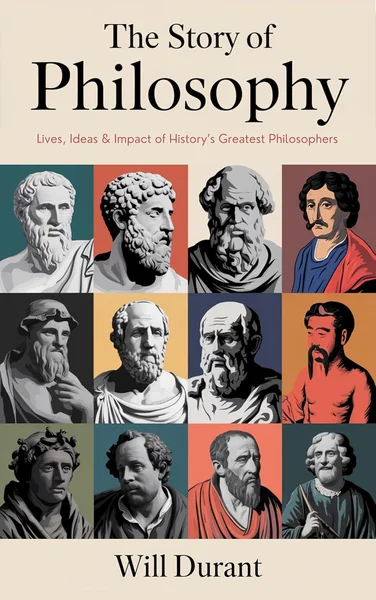
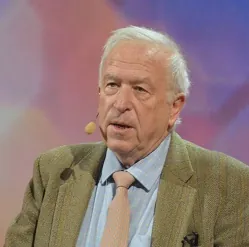
Simon Blackburn
Simon Blackburn (born July 1944, in England) is the son of Cuthbert Walter and Edna Blackburn. He attended Clifton College, Bristol (1957–62) and Trinity College, Cambridge, earning a B.A. in 1963. He married Angela Margaret Bowles in 1968 and has two children. His books include Think, Being Good, Plato's Republic: A Biography, How to Read Hume, and Ethics: A Very Short Introduction.
1 book reviewed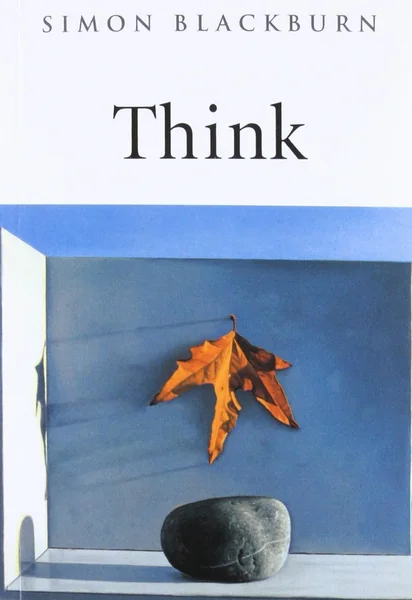
René Descartes
René Descartes (March 31, 1596 – 1650) was born in La Haye, France, to Joachim Descartes and Jeanne Brochard. A French mathematician and philosopher, he is generally regarded as the founder of modern Western philosophy, best known for the cogito ("I think, therefore I am"). He also invented the Cartesian coordinate system and founded analytic geometry.
1 book reviewed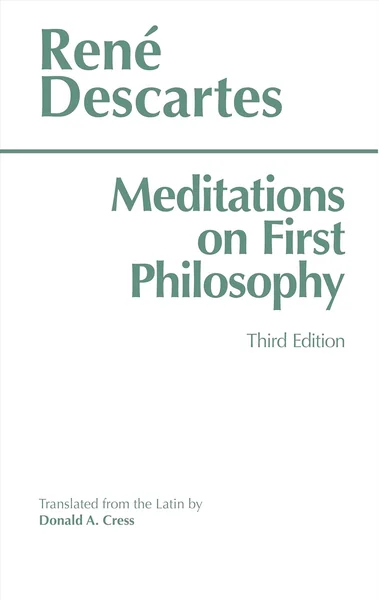

Carl Trueman
Carl R. Trueman holds an MA from the University of Cambridge and a PhD from the University of Aberdeen. He formerly served on faculty at the Universities of Nottingham and Aberdeen and Westminster Theological Seminary (PA), and is a professor of biblical and religious studies at Grove City College. His books include The Rise and Triumph of the Modern Self, The Creedal Imperative, and The Desecration of Man.
1 book reviewed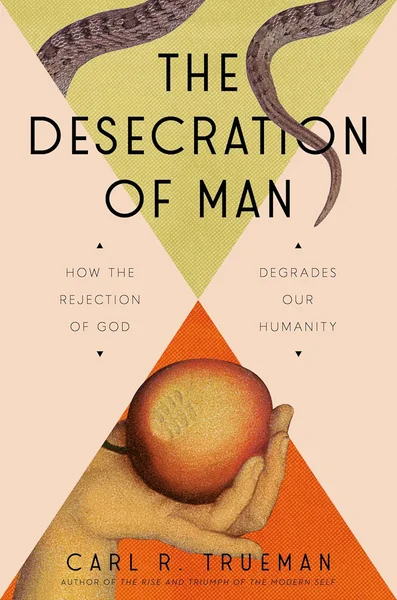

Yuval Noah Harari
Yuval Noah Harari is an Israeli medievalist, military historian, public intellectual, and popular science writer.
1 book reviewed