7 min read
4.7
· 411 Amazon ratingsShare This Review
Our review
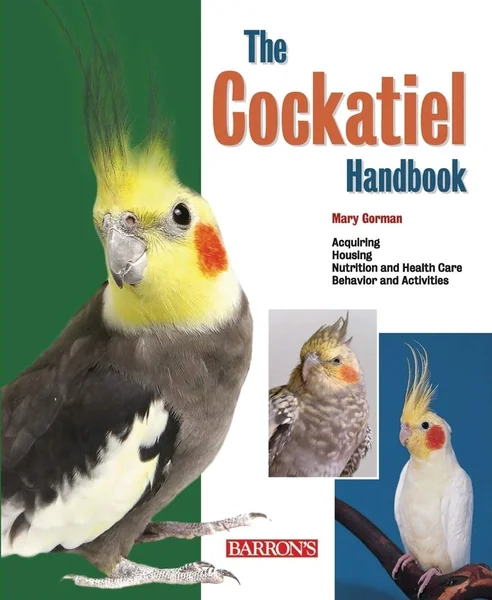
The Cockatiel Handbook by Mary Gorman Review: A Thorough Reference for Cockatiel Owners
Mary Gorman's The Cockatiel Handbook, published by Sourcebooks as part of the B.E.S. Pet Handbooks series, is a comprehensive care reference designed to guide both first-time and experienced cockatiel owners through every major aspect of keeping these birds — from finding a reputable breeder to understanding dietary needs, housing, health care, and behavior. This review is based on published source descriptions and series information; it does not reflect hands-on use or testing of the guidance inside.
LuvemBooks Verdict
Best for
New or established cockatiel owners who want a single, well-organised reference covering the full arc of ownership — from sourcing a bird to housing, diet, behaviour, and health care — without needing specialist aviculture depth.
Worth it if
You are bringing home a first cockatiel or want a reliable topic-by-topic handbook to return to as everyday care questions arise, and you value visual aids (full-colour photographs and instructive line drawings) alongside written guidance.
Skip if
Your cockatiel has complex or specialised medical needs, or you are pursuing advanced training and breeding — the introductory depth of a handbook format, combined with its 2010 publication date, means it will need supplementing with current veterinary advice and more specialist resources.
What readers & critics say
Retailer and distributor listings position the book as an all-inclusive guide suitable for both first-time and experienced owners, with World of Books describing it as a "comprehensive bird guidebook" offering advice on purchasing, housing, and caring for a cockatiel, and the Google Books synopsis calling it "the ultimate guide to nurturing a cheerful and thriving avian companion."
Sources: World of Books, Google BooksAsk LuvemBooks
Was this helpful?
- Is it worth reading?
- For anyone preparing to bring home their first cockatiel or looking for a single organized reference to return to over time, The Cockatiel Handbook delivers genuine practical value. Its breadth — covering acquisition, diet, housing, behavior, and health care in one compact volume — is its clearest strength, and the B.E.S. series format adds a visual reference dimension that pure prose guides lack. The main caveat is its 2010 publication date: owners should treat its health care and nutritional guidance as a strong foundation rather than the final word, and consult a certified avian veterinarian for current standards. Readers with highly specialized needs — advanced training, complex medical conditions, or breeding programs — will likely need additional resources beyond what the handbook format can offer.
- Similar books
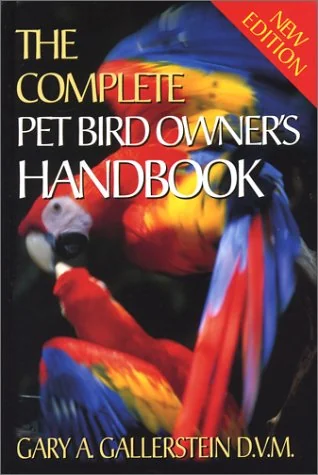
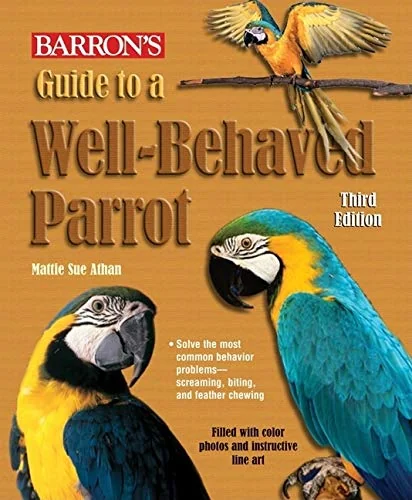
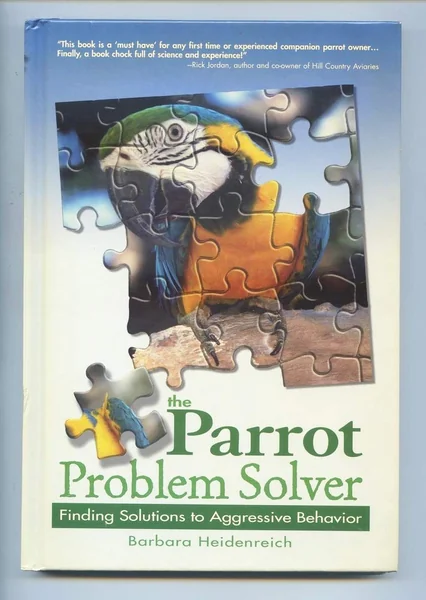
- Readers who find value in The Cockatiel Handbook will likely appreciate other structured pet care references. For broader parrot-family behavior, Guide to a Well-Behaved Parrot by MattieSue Athan and The Parrot Problem Solver by Barbara Heidenreich both go deeper on the behavioral side that Gorman's handbook treats as one topic among many. The Complete Pet Bird Owner's Handbook by Gary A. Gallerstein offers a more expansive treatment of pet bird care across species. For those interested in other B.E.S.-style compact handbooks applied to small pets, The Hamster Handbook by Patricia Bartlett and The Guinea Pig Handbook by Sharon Vanderlip D.V.M. follow a similar format and philosophy.
- Who should read this?
- The Cockatiel Handbook is designed for dedicated pet owners who want a thorough, organized reference — not a brief introductory pamphlet, but also not a specialist aviculture text. First-time cockatiel owners will find the sequential coverage of acquisition, housing, diet, and health care well matched to the questions that arise when preparing to bring home a bird. Existing owners who want a reliable reference to consult as situations arise will benefit from the topic-by-topic structure and visual aids. Those pursuing advanced breeding programs, complex medical management, or specialized training should expect to supplement it with more targeted resources.
- About Mary Gorman
- Mary Gorman is the author of The Cockatiel Handbook (B.E.S. Pet Handbooks), published in 2010. She is also a passionate activist and writer dedicated to raising awareness and protection of Canada's seas and shores.
- What's the book's format like?
- The Cockatiel Handbook follows the consistent B.E.S. Pet Handbooks format: a topic-by-topic written structure paired with high-quality full-color photographs and instructive line drawings. The visual elements serve a functional purpose — helping owners identify health symptoms, housing equipment, and behavioral postures — rather than simply illustrating the text. Readers already familiar with other volumes in the seventeen-book B.E.S. series will find the layout and approach immediately recognizable. This format makes the handbook particularly useful for readers who absorb information as readily from illustration as from prose.
- What topics does it cover?
- The Cockatiel Handbook covers the full lifecycle of cockatiel ownership across several dedicated topic areas: finding a reputable breeder or seller, understanding the bird's natural origins and traits, meeting dietary needs, setting up appropriate housing, managing ongoing health care, and understanding cockatiel behavior. Notably, behavior is treated as a dedicated topic area rather than folded into a general care section — a structural choice that reflects the handbook's recognition that behavioral knowledge is central to the human-bird relationship. The publisher positions the book as addressing every aspect related to maintaining a healthy and thriving pet, making it a single-volume starting point across all these areas.
Summarize this book
Follow up
Synthesized from verified book data & published reviews · How we review
Press Enter to ask. Answers come from our editorial Q&A — start typing to see related questions.
Age & Reading Level
Recommended age
Adult
Reading level
Adult
who it suits
Skip if you need advanced, specialist-level coverage of cockatiel breeding, complex medical conditions, or current avian veterinary standards.
Our Review
What the Book Is and What It Covers
Its Place in the B.E.S. Pet Handbooks Series
Strengths: Breadth of Topics and Accessibility
Honest Limitations: Scope and the Passage of Time
Who This Book Is Genuinely For
Sources & Further Reading
The key facts and claims in this review are grounded in the retrieved, verified sources listed below.
- Cited in this review
- 1
americanbookwarehouse.com
- 2
- Further reading
- 3
worldofbooks.com
- 4
- 5
books.google.com
Books like The Cockatiel Handbook
Curated picks for readers who enjoyed The Cockatiel Handbook, with our reasoning for each match.
Read Next
If you liked The Cockatiel Handbook