8 min read
4.7
· 12,343 Amazon ratingsShare This Review
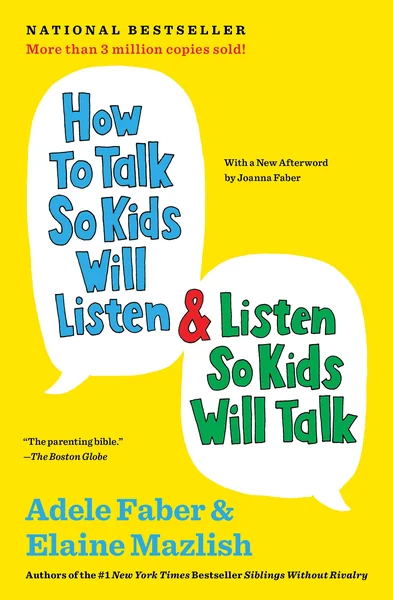
How to Talk So Kids Will Listen & Listen So Kids Will Talk by Adele Faber & Elaine Mazlish Review: A Landmark Parenting Communication Guide
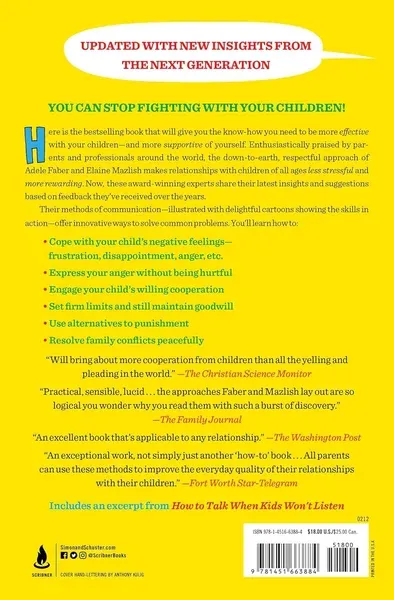
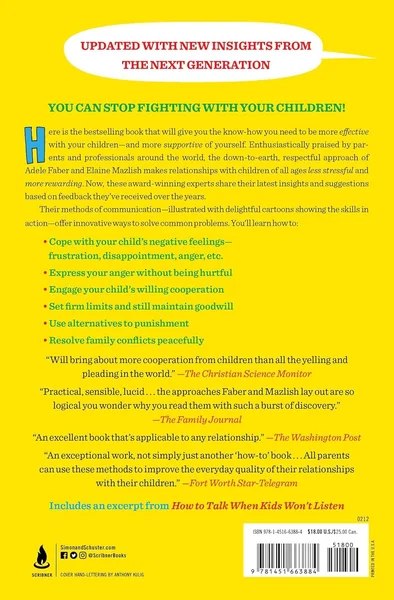
How to Talk So Kids Will Listen & Listen So Kids Will Talk by Adele Faber and Elaine Mazlish is a foundational parenting guide — called the ultimate "parenting bible" by The Boston Globe — that has sold more than five million copies and been translated into over thirty languages, making it one of the most widely adopted books on parent-child communication ever published. This review covers the book's content, design, and published reception; it does not reflect hands-on use.
 Tap to enlarge
LuvemBooks Verdict
Best for
Parents and caregivers who feel trapped in repetitive, unproductive exchanges with their children and want a structured, skills-based framework to improve everyday communication — as well as teachers and group educators looking for field-tested techniques.
Worth it if
You want a single, highly accessible entry point into child communication practice that delivers discrete, learnable techniques you can apply one at a time, backed by decades of real-world adoption across cultures and languages.
Skip if
You are parenting a child with significant developmental, behavioral, or clinical needs and require more than a general-communication toolkit, or you are already deeply versed in contemporary attachment and developmental research and may find the foundational methodology predates those frameworks.
What readers & critics say
Simon & Schuster's page for the book records The Boston Globe's description of it as the ultimate "parenting bible," a label that has followed the title through decades of printings. Psychiatryresource.com awards it a 10 out of 10, calling it "an excellent book about parenting through empathy and effective communication."
Sources: Simon & Schuster, psychiatryresource.comAsk LuvemBooks
Was this helpful?
- Is it worth reading?
- For parents and caregivers who feel caught in repetitive, unproductive exchanges with children, How to Talk So Kids Will Listen & Listen So Kids Will Talk remains among the most field-tested and widely validated options available — few parenting titles in any language can claim comparable sustained adoption across cultures and decades. Its side-by-side contrast format makes the techniques immediately actionable rather than abstractly theoretical. The main caveat is that the scripted dialogues can feel idealized against the full chaos of real family life, and parents of children with significant developmental or clinical needs may find the guide useful as a foundation but insufficient as a complete toolkit.
- Who should read this?
- The book is most squarely aimed at parents and caregivers who feel stuck in repetitive, unproductive exchanges with children and want a structured, skills-based way forward. Teachers and group educators are an equally strong audience — the authors themselves supported this use case through their group workshop programs and videos, which have been used by thousands of parent and teacher groups around the world. Readers seeking a single, accessible entry point into child communication theory and practice will find this among the most field-tested options available; those already deeply versed in the parenting literature may find some familiar ground but will still encounter a remarkably compressed and actionable presentation of core techniques.
- Similar books
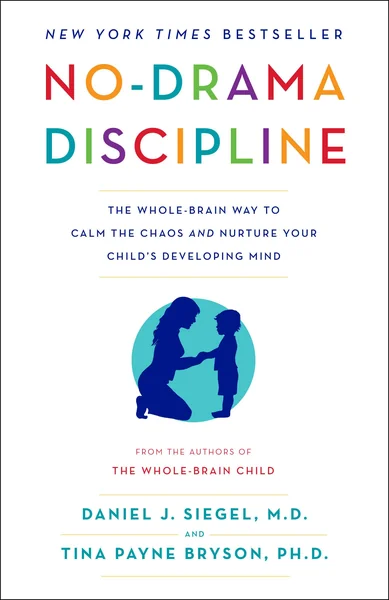
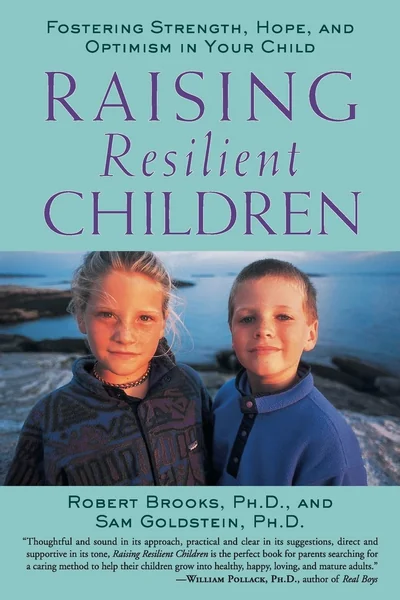
- Readers who respond to Faber and Mazlish's skills-based approach will find strong companions in Daniel J. Siegel and Tina Payne Bryson's work — No-Drama Discipline, The Power of Showing Up, and The Whole-Brain Child all build on communication and connection frameworks with a similarly practical orientation, though they draw more explicitly on contemporary neuroscience and attachment research. Robert Brooks and Sam Goldstein's Raising Resilient Children offers a complementary focus on fostering resilience and a positive mindset in children. For readers who want to go deeper into the Faber and Mazlish body of work, Siblings Without Rivalry and Liberated Parents Liberated Children (both by the same authors) extend the same communication philosophy into specific family dynamics, though these titles are not currently in the LuvemBooks catalogue.
- About Adele Faber, Elaine Mazlish
- Elaine Mazlish was an American author and parent educator who wrote about helping parents and teachers communicate better with children. The verified LuvemBooks author record covers Elaine Mazlish; a separate detailed biography for co-author Adele Faber is not available in the current verified record.
- Is this practical or theoretical?
- How to Talk So Kids Will Listen & Listen So Kids Will Talk is explicitly a practical manual, not a philosophical meditation on childhood. Its hallmark is the side-by-side contrast format, which shows what a typical parental exchange looks like alongside a technique-informed version — making abstract principles concrete and visible on the page. The skills are broken into discrete, learnable steps so parents can absorb and apply one technique at a time, and the publisher describes the content as built around "time-tested methods to solve common problems and build foundations for lasting relationships."
- Why has it lasted so long?
- Few parenting titles in any language can claim comparable sustained adoption across cultures and decades. The book has sold more than five million copies, been translated into over thirty languages, and earned the "parenting bible" designation from The Boston Globe — a label that has followed it through multiple printings. Its longevity is attributed to the concrete, skills-based structure that makes its methods learnable and transferable, and to the breadth of its appeal across both parents and educators. As the review notes, newer guides in the genre still tend to measure themselves against it as a reference point.
Summarize this book
Follow up
Synthesized from verified book data & published reviews · How we review
Press Enter to ask. Answers come from our editorial Q&A — start typing to see related questions.
Age & Reading Level
Recommended age
Adult
Reading level
Adult
who it suits
Skip if you're looking for a parenting approach grounded in the latest developmental neuroscience or attachment research frameworks rather than a foundational, field-tested communication manual.
Our Review
What the Book Is and What It Sets Out to Do
Reach, Reception, and Cultural Standing
Where the Book Delivers Its Strongest Value
Genuine Limitations and Who May Find It Less Useful
Who This Book Is Genuinely For
Sources & Further Reading
The key facts and claims in this review are grounded in the retrieved, verified sources listed below.
- 1
Adele Faber, Elaine Mazlish, Wikipedia
- 2
usefulparentingadvice.com
- 3
- 4
- 5
- 6
Books like How to Talk So Kids Will Listen & Listen So Kids Will Talk
Curated picks for readers who enjoyed How to Talk So Kids Will Listen & Listen So Kids Will Talk, with our reasoning for each match.
If you liked How to Talk So Kids Will Listen & Listen So Kids Will Talk