

9 min read
4.8
· 18 Amazon ratingsShare This Review
The Big Short by Michael Lewis Review: Essential Nonfiction on Wall Street's Collapse
Michael Lewis's *The Big Short: Inside the Doomsday Machine* is a landmark work of financial nonfiction that reconstructs the lead-up to the 2008 financial crisis through the stories of the contrarian investors who saw the collapse coming — and profited from it. Released on March 15, 2010, by W. W. Norton & Company, it spent 28 weeks on *The New York Times* nonfiction bestseller list, was shortlisted for the 2010 Financial Times and Goldman Sachs Business Book of the Year Award, received the 2011 Robert F. Kennedy Center for Justice and Human Rights Book Award, and served as the basis for the acclaimed 2015 film adaptation. Vanity Fair editor Graydon Carter called it "the work of our greatest financial journalist, at the top of his game" and "essential reading."
LuvemBooks Verdict
Best for
Curious general readers who want to understand how the 2008 financial crisis actually happened — told through the vivid, character-driven stories of the contrarian traders who saw it coming — without needing any prior background in finance.
Worth it if
You want one book that makes credit default swaps, CDOs, and Wall Street's structural rot genuinely comprehensible — and dramatically compelling — without wading through technical or regulatory literature.
Skip if
You're looking for a comprehensive institutional or regulatory history of the crisis — covering the full scope of Congressional oversight failures, ratings agencies, or the experiences of ordinary borrowers — rather than a selective, character-driven narrative focused on the contrarian winners.
What readers & critics say
According to Wikipedia, the book spent 28 weeks on The New York Times nonfiction bestseller list and became the basis for the widely seen 2015 film adaptation. Bookmarks.reviews synthesises critical consensus as calling it "the best book I know of about the financial catastrophe," praising Lewis for "bringing us close to the deluded and duplicitous minds that caused it," while the Guardian situates it within Lewis's body of work as a continuation of the unflinching Wall Street scrutiny he established with Liar's Poker.
Sources: Wikipedia, Bookmarks.reviews, The GuardianIn This Review
- What Works & What Doesn't
- What the Book Is and What It Covers
- Significance and Reception
- What the Book Does Well: Demystifying Complexity
- Lewis's Central Argument About Systemic Failure
- Who the Book Is For — and Where It Has Limits
What Works & What Doesn't
What Works
- Spent 28 weeks on the New York Times nonfiction bestseller list and received the 2011 Robert F. Kennedy Center for Justice and Human Rights Book Award
- Demystifies complex financial instruments — credit default swaps, CDOs — through character-driven narrative accessible to general readers
- Profiles a remarkably specific and varied cast of real figures, from Michael Burry and Steve Eisman to the Cornwall Capital founders, grounding abstract systemic failure in human decisions
- Advances a coherent, named argument about misaligned Wall Street incentives that informed public debate on financial reform
- Basis for the widely seen 2015 film adaptation, extending the book's account into mainstream cultural conversation
What Doesn't
- The character-driven, selective narrative means it is not a comprehensive institutional or regulatory history of the 2008 crisis — readers seeking that broader scope will need to look elsewhere
- The book's focus on contrarian winners, while narratively compelling, means the experiences of ordinary borrowers and homeowners affected by the collapse receive comparatively limited attention
What the Book Is and What It Covers
Significance and Reception
What the Book Does Well: Demystifying Complexity
Lewis's Central Argument About Systemic Failure
Who the Book Is For — and Where It Has Limits
Frequently Asked Questions
Sources & Further Reading
The key facts and claims in this review are grounded in the retrieved, verified sources listed below.
- Cited in this review
- 1
- 2
en.wikipedia.org
- 3
- Further reading
- 4
Michael Lewis, Wikipedia
- 5
- 6
adventuresincre.com
- 7
bookbrowse.com
- 8
financegates.com
- 9
- 10
- 11
summrize.com
- 12
Related Reviews
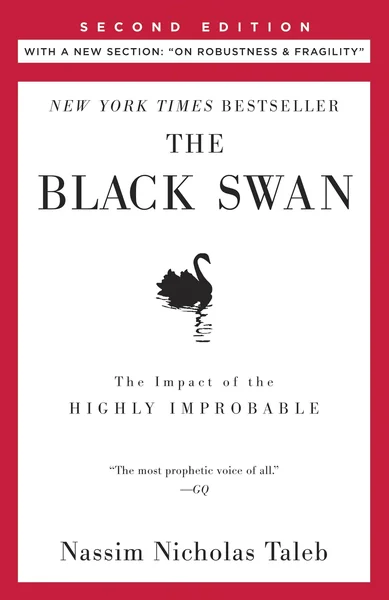
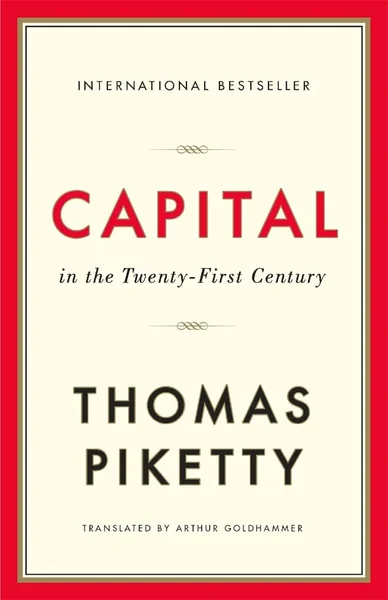
Reviews of books we picked for readers who enjoyed The Big Short.
Reader Comments
No comments yet
Be the first to share your thoughts!