Skip to content
Reviewed

Read Time

7 min read

Our age bandAdult
Reader rating
4.5 · 2,720 Amazon ratings, as of Nov 2026
reader ratings, not a LuvemBooks score
Curated & edited by

LuvemBooks Editorial

How we create our reviews →
Share This Review
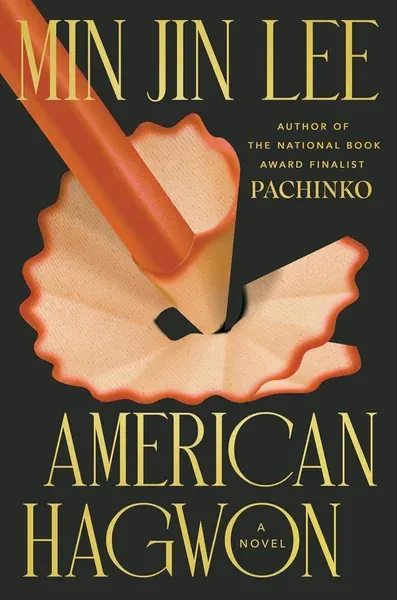
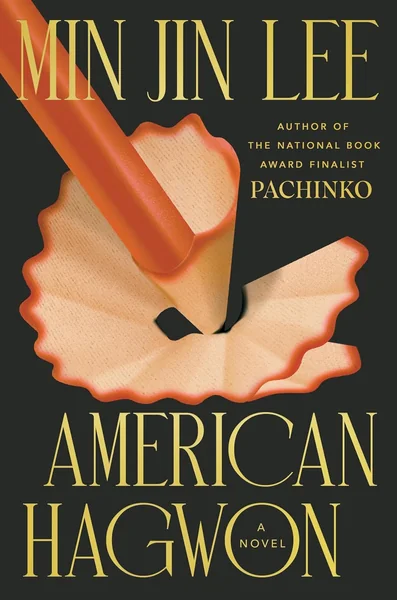
American Hagwon by Min Jin Lee front cover

Our review

American Hagwon

American Hagwon by Min Jin Lee Review: A Sweeping Diaspora Epic

Min Jin Lee's third novel in her Diaspora Quartet delivers a meticulously researched portrait of the Korean immigrant experience, though its deliberate pacing and dense exposition may test patient readers. It is a rewarding, expansive work for those willing to invest in its intricate character studies and cultural insights.

Our age band: Adultintense educational pressure · economic hardship

LuvemBooks Verdict

Best for

Readers who appreciate expansive character studies and cultural insights into the Korean diaspora and familial duty will find this meticulously researched novel rewarding.

Worth it if

Worth reading for its deliberate, exposition-heavy narrative that rewards patience with profound emotional resonance and cultural insight.

Skip if

Skip it if you prefer brisk pacing or minimalist prose, as the book's 600-plus page length and dense cultural exposition may feel overwhelming or too academic.

Where reviewers agree and split

Readers rate it 4.5 on Amazon. The reviews we read that discuss it in depth split on some points:

  • Positive

    The Guardian · Press review: gloriously immersive and highly praised follow-up

  • Positive

    Kirkus Reviews · Press review: masterfully plotted, vividly drawn family saga

  • Mixed

    Vulture · Press review: analytical but critical of familiar tropes

  • Positive

    BookPage · Press review: stunning, masterfully composed family saga

  • Positive

    NPR · Press review: epic, imaginative return from acclaimed author (from its headline)

    Overall verdicts are our summary of each review we read, from its headline, rating and conclusion.

    Critical reception is largely positive, with The Guardian calling it a 'gloriously immersive follow-up to Pachinko' and BookPage praising Lee's ability to write 'symphonies' of family sagas. However, Vulture offers a mixed take, noting the novel's reliance on familiar immigrant tropes, while Kirkus Reviews awards it their 'GET IT' verdict for its masterful plotting.

    “Min Jin Lee writes symphonies.”

    — BookPage

    “The author's wisdom is a gift to her readers.”

    — Kirkus Reviews
    Sources: The Guardian, BookPage, Vulture, Kirkus Reviews
    4.5from 2,720 Amazon ratings, as of Nov 2026— reader ratings, not a LuvemBooks score

    Ask LuvemBooks

    Was this helpful?

    Min Jin Lee's American Hagwon follows the Koh family across nearly three decades as they navigate economic collapse and cultural displacement, ultimately centering on their obsession with private after-school academies as a pathway to security. The novel rewards patient readers with profound insights, though its dense exposition may test those seeking a faster narrative. It is a vital work for its panoramic vision of the Korean diaspora.
    Is it worth reading?
    The book offers a portrait of the Korean immigrant experience. Critics like The Guardian praise its immersive quality and vivid family saga. However, the 600-page length and heavy reliance on cultural context may overwhelm readers.
    Similar books
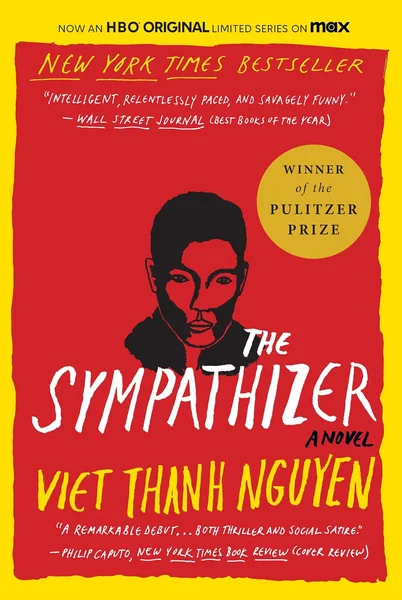
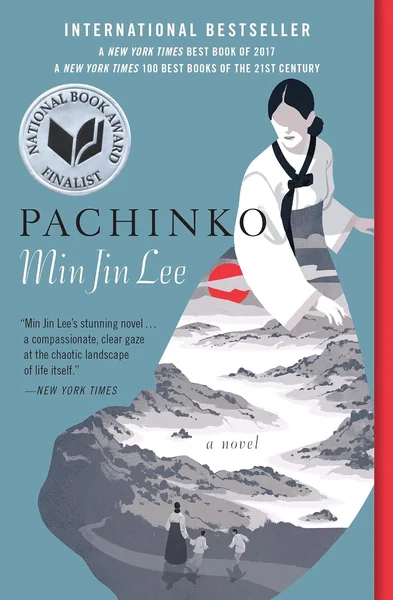
    Readers who enjoy expansive family sagas and diaspora literature will likely appreciate Min Jin Lee's Pachinko, which also explores the Korean experience across generations. For those interested in the intersection of education, identity, and systemic pressure, The Sympathizer offers a compelling look at displacement and ideological struggle. Alongside acclaimed works like The God of Small Things and The Joy Luck Club, these titles share a commitment to intricate cultural commentary and panoramic perspectives.
    Who should read this?
    This novel is best suited for readers interested in the Korean diaspora. It appeals strongly to those interested in the pressures of modern education, economic resilience, and the complexities of immigrant life. Readers may find the book's scope and density difficult to navigate.
    What age is it for?
    The book is written for adults, exploring complex themes of economic hardship, displacement, and intense educational pressure that require mature comprehension. While there are no explicit content warnings, the dense cultural context and serious subject matter make it most suitable for adult readers.
    About Min Jin Lee
    Min Jin Lee is a Korean-American author based in Harlem, New York City. Her work frequently deals with the Korean diaspora, drawing on meticulous research to explore themes of identity and survival. This novel continues her commitment to examining the lived experiences of immigrant communities.
    What is the writing style?
    Lee's writing style counters the traditional "show, don't tell" adage by embracing plenty of exposition. The story spans decades, detailing the small realities to ground the family history in tangible, lived experiences. This deliberate approach prioritizes emotional resonance and cultural critique over conventional storytelling momentum.
    What themes are explored?
    The novel explores the intense pressure of education, the sacrifices of immigrant families, and the pursuit of security in a new land. It examines how private academies (hagwons) proliferate to feed a brutal competition for top college admissions, reflecting a broader scarcity mindset regarding university places and white-collar jobs. Ultimately, the story serves as a testament to resilience.
    Summarize this book

    Summarize this book

    Min Jin Lee's American Hagwon follows the Koh family as they navigate economic collapse and cultural displacement, ultimately centering on their obsession with private education as a pathway to security. As the family rebuilds, the narrative unspools from Seoul to Sydney and finally Southern California, tracking the children's divergent paths and the community's struggle to find satisfaction in an unforgiving new world.

    Follow up

    Who are the main characters?
    Where does the story take place?

    Synthesized from verified book data & published reviews · How we review

    Ask LuvemBooks

    What would you like to know about American Hagwon?

    Answers come from our editorial notes on this book. If we haven't covered something, we'll say so.

    Readers often ask

    Our Review

    We review the evidence: reader verdicts, gathered and weighed with AI assistance and edited by LuvemBooks, rather than one reader's first-hand take.
    Min Jin Lee's third novel in her Diaspora Quartet delivers a meticulously researched, emotionally resonant portrait of the Korean immigrant experience, though its deliberate pacing and dense exposition may test the patience of readers accustomed to faster narratives. It is a rewarding, expansive work for those willing to invest in its intricate character studies and cultural insights.
    American Hagwon by Min Jin Lee front cover
    American Hagwon by Min Jin Lee front cover

    The Premise and the Plot

    John and Helen Koh begin the novel living a comfortably middle-class life in Seoul. Their stability fractures after a shocking betrayal by John's oldest friend.
    The family's fortunes are further shattered by the 1997 Asian financial crisis. Desperate to regain their footing, they leave Korea for Sydney.
    They eventually settle in Southern California, where new opportunities emerge. Their children, Bo, DH, and Mido, navigate different paths as their parents adjust to a life where their previous education means little.
    John fries fish and sluices the floors of a grandly named establishment called Shrimp Castle. Helen's previous commissions once comfortably covered the children's hagwon fees.
    The narrative unspools over nearly three decades, crisscrossing from Seoul to Sydney to California and back again. Education becomes the family's central obsession and the surest route to security.
    The story examines how the Kohs and their community struggle to find satisfaction in a world that feels increasingly unforgiving. "An excellent hagwon," according to one of the characters in Min Jin Lee’s new novel, "is everything."

    Place in the Series and Cultural Context

    American Hagwon serves as the third installment in what Min Jin Lee calls her Diaspora Quartet. It follows her 2017 novel Pachinko, which was recently named one of the New York Times’s top 100 books of the 21st century.
    The novel focuses intensely on hagwons, the private after-school academies designed to turbocharge academic performance. These institutions represent Korea's intense scarcity mindset regarding university places and white-collar jobs.
    Lee uses the competitive landscape of these cram schools to explore broader themes of country, culture, and responsibility. The narrative shifts when youngest child Mido finds work at a hagwon run by an idealistic Korean American nicknamed Lion.
    Most hagwons prepare their students to excel academically and, preferably, go on to Ivy League schools. This institution dares to promote students' well-being over relentless academic striving.
    Nearly 10 years in the making, this sweeping book manages to hold countless lives, pain, and love in its imagination. The characters always nurse the almost all-consuming faith that education will lead the next generation to success and security.

    What the Book Does Well

    BookBrowse describes the novel as a sweeping epic where the smallest gestures have enormous repercussions. Lee's writing style counters the traditional "show, don't tell" adage by embracing plenty of exposition.
    The author meticulously details the small realities of daily life within the Korean immigrant community.
    This approach grounds the expansive family saga in tangible, lived experiences. The characters are driven by practicality rather than melodramatic factors, which lends the narrative a profound sense of authenticity.
    NPR highlights a particularly powerful set piece where Lion addresses a packed gymnasium of parents about the purpose of education.
    The book rewards patience by slowly building an unforgettable portrait of resilience and redemption. It successfully captures the bittersweet reality of striving for a better future in a new land.

    Genuine Limitations and Points of Contention

    The deliberate pacing and extensive detail may frustrate readers seeking a faster narrative. BookBrowse observes that the novel moves slowly and is mired in the small details of daily life.
    This approach could disappoint fans of Lee's previous novel, the page-turner Pachinko. The 600-plus page length demands a significant time commitment from the audience.
    The heavy reliance on exposition over traditional plot mechanics might feel overwhelming to some. The dense cultural and educational context requires readers to engage actively with the material.
    Those looking for a straightforward family drama might find the thematic focus on hagwons and diaspora struggles too academic. The narrative prioritizes emotional resonance and cultural critique over conventional storytelling momentum.
    Increasingly, admission to top colleges has become like a brutal competition. The novel explores how hagwons proliferate to feed that beast.

    Is American Hagwon Worth Reading?

    Weighing these reviews, American Hagwon stands as a vital contribution to contemporary immigrant literature. It offers a deeply researched, emotionally resonant examination of willful self-sacrifice and familial duty.
    The novel is best suited for readers who appreciate expansive character studies and cultural commentary. It appeals to those interested in the pressures of modern education and the complexities of the Korean diaspora.
    Readers who prefer brisk pacing or minimalist prose may find the book's scope and density difficult to navigate. It is a rewarding experience for those willing to invest in its intricate, panoramic vision.

    Sources & Further Reading

    The key facts and claims in this review are grounded in the retrieved, verified sources listed below.

    1. Cited in this review
    2. 1
    3. Further reading
    4. 2

      Min Jin Lee, LuvemBooks

    5. 3
    6. 4
    7. 5
    8. 6
    9. 7
    10. 8
    11. 9

    Age & Reading Level

    Our age band

    Adult

    Our age band groups books for browsing; it isn't an age a review gave.

    Content to know about

    intense educational pressure
    economic hardship
    family betrayal

    Skip if you prefer brisk pacing or minimalist prose

    From our readers

    Reader reviews

    No LuvemBooks readers have answered yet.

    Read it? Was it right for you?

    Books like American Hagwon

    Curated picks for readers who enjoyed American Hagwon, with our reasoning for each match.
    Discussion

    Reader comments