9 min read
4.5
· 88,780 Amazon ratingsShare This Review

Our review
Pachinko
Pachinko by Min Jin Lee Review: A Sweeping, Multigenerational Korean Family Epic
Pachinko is Min Jin Lee's epic historical fiction novel tracing four generations of a Korean family who immigrate to Japan, confronting racism, identity, and survival across seven decades of the 20th century. A 2017 National Book Award finalist, a winner of the Medici Book Club Prize, and one of the New York Times' "Ten Best Books of 2017," it is widely regarded as one of the defining works of contemporary literary fiction — and has since been named to critics' "100 Best Books of the Century." This review is based on the book's content and published critical reception, not hands-on reading.
LuvemBooks Verdict
Best for
Readers who love character-rich, multigenerational literary sagas — particularly those drawn to underrepresented histories — and who want a novel that uses one family's arc across seven decades to illuminate the largely unknown experience of Zainichi Koreans in Japan.
Worth it if
You're willing to invest in a 544-page, ensemble-driven narrative whose emotional weight and historical specificity reward patient, committed reading.
Skip if
You prefer tightly plotted, single-protagonist fiction or are not in the right place for an unflinching portrayal of colonial violence, ethnic discrimination, and wartime hardship — the novel's emotional demands are real and sustained.
What readers & critics say
Bookmarks Reviews places Pachinko in the tradition of Thomas Mann's Buddenbrooks — "tracing a family dynasty over a sprawl of seven decades" — and calls that comparison "not hyperbole," praising Lee for making her "vast, ambitious narrative seem intimate." NPR describes it as "honest, unadorned writing that acknowledges horror but ultimately carries a message of hope," and "the kind of book that can open your eyes and fill them with tears at the same time."
“The kind of book that can open your eyes and fill them with tears at the same time.”
— NPRAsk LuvemBooks
Was this helpful?
- Is it worth reading?
- By virtually every critical measure, Pachinko stands as one of the defining works of contemporary literary fiction: a 2017 National Book Award finalist, a New York Times 'Ten Best Books of 2017' selection, winner of the Medici Book Club Prize, and now named to critics's '100 Best Books of the Century.' Author Alexander Chee described the family saga as one that 'sticks with you long after you've finished,' pointing to the depth of emotional investment it builds. NPR's review praises Lee's ability to make her 'vast, ambitious narrative seem intimate,' and PopMatters called it a 'meticulous tapestry that compels our empathy.' For readers willing to commit to its 544-page ensemble scope, it delivers rare cultural specificity alongside genuine emotional power.
- Similar books
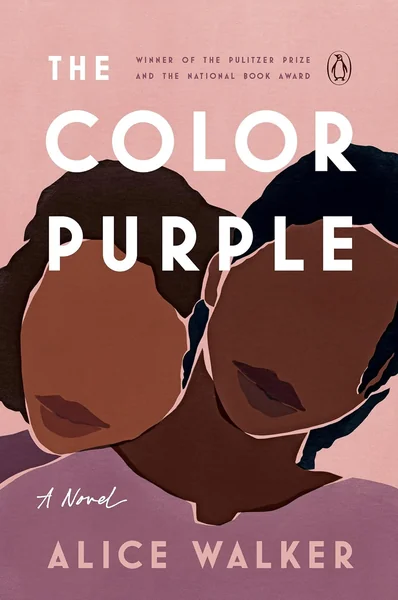
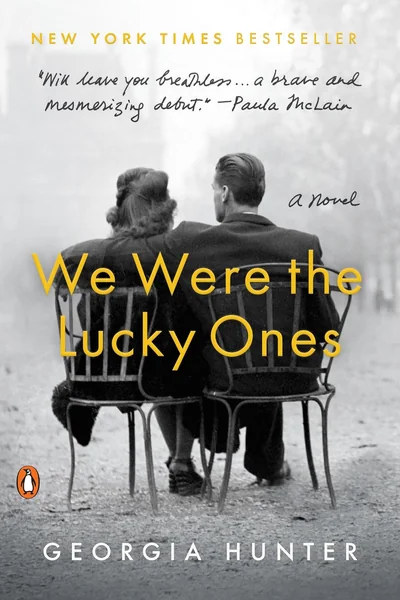
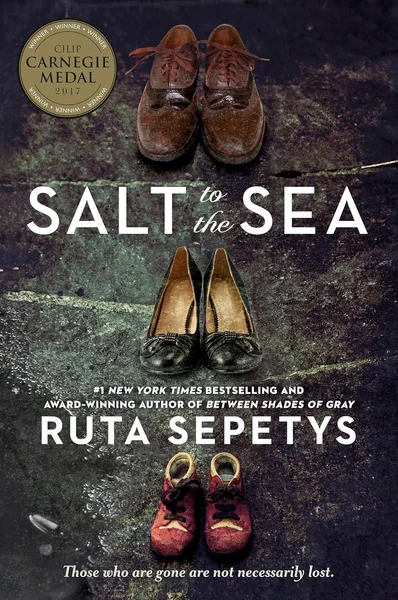
- Readers drawn to Pachinko's multigenerational scope and unflinching look at historical injustice will find strong companions in the curated titles below. We Were the Lucky Ones by Georgia Hunter traces a Jewish family's survival across World War II with similar ensemble breadth and emotional weight. The Color Purple by Alice Walker shares Pachinko's focus on identity, endurance, and the lives of those marginalized by the dominant culture. The Good Lord Bird by James McBride blends sweeping historical drama with intimate character work, much as Lee does. Salt to the Sea by Ruta Sepetys brings the same wartime-era urgency and multi-perspective storytelling, while Behind Five Willows by June Hur offers East Asian historical fiction with a focus on identity under oppressive systems.
- Who should read this?
- Pachinko is precisely calibrated for readers who love character-rich family sagas in the tradition of multigenerational literary fiction — works that use personal lives to illuminate vast historical forces. NPR's review situates it in the tradition of Thomas Mann's Buddenbrooks and calls that comparison 'not hyperbole,' so readers who loved that kind of dynasty-across-generations storytelling are the core audience. Those who prefer tightly plotted, single-protagonist narratives, or who find emotionally heavy subject matter difficult to sustain, may struggle with its scope and unflinching portrayal of discrimination, colonial violence, and wartime hardship.
- Tell me about the adaptation
- Pachinko has been adapted as a streaming series, further extending the novel's cultural reach beyond its already substantial literary footprint. The adaptation brings Lee's multigenerational saga to screen, introducing the Zainichi Korean story to audiences who might not have encountered it through the novel. For those who have seen the series, the book offers the full scope of the ensemble cast and historical detail that any screen adaptation must compress — including the close texture of daily survival that reviewers highlight as central to Lee's method.
- What are the main themes?
- Pachinko's central themes are identity, survival, and the weight of history on individual lives. The experience of Zainichi Koreans — ethnic Koreans who faced racism, forced labor, statelessness, and generational discrimination in Japan — drives the novel's moral and emotional core. The pachinko metaphor threads through the narrative as a meditation on fate's randomness and the limits of individual agency against systemic forces. Reviewers further describe the novel as carrying 'a message of hope' alongside its honest acknowledgment of horror, making the tension between endurance and despair another defining throughline.
- Is this a good book club pick?
- Pachinko is an exceptionally rich book club selection. Its multigenerational structure — spanning seven decades, two cultures, and four generations of one family — generates natural discussion across history, ethics, identity, and the immigrant experience. Reviewers describe it as 'the kind of book that can open your eyes and fill them with tears at the same time,' and PopMatters called it a 'meticulous tapestry that compels our empathy.' The only practical note for clubs is its 544-page length, which may require more reading time than typical monthly picks.
- Where should I start with Min Jin Lee?
- Pachinko is Min Jin Lee's second novel and her most celebrated work — for most readers, it is the natural starting point and the book that defines her literary reputation. Her debut, Free Food for Millionaires, explores the Korean-American immigrant experience in contemporary New York and shares Pachinko's interest in identity, class, and cultural displacement, making it an excellent follow-up for readers who want more of Lee's voice after finishing the saga. Lee has also received Guggenheim Foundation and Radcliffe Institute fellowships in Fiction, both in 2018, and was named New York State Author Laureate from 2025 through 2027 — markers of a literary career with significant institutional recognition.
Summarize this book
Follow up
Synthesized from verified book data & published reviews · How we review
Press Enter to ask. Answers come from our editorial Q&A — start typing to see related questions.
Our Review
What the Novel Is and What It Contains
Significance and Place in the Literary Landscape
Strengths: Intimacy Within an Epic Structure
Reception and Critical Standing
Who This Novel Is For — and Where It Demands Most
Sources & Further Reading
The key facts and claims in this review are grounded in the retrieved, verified sources listed below.
- Cited in this review
- 1
hachettebookgroup.com
- 2
en.wikipedia.org
- Further reading
- 3
kirkusreviews.com
- 4
- 5
nationalbook.org
- 6
ashleyhajimirsadeghi.com
- 7
- 8
- 9
bookmarks.reviews
- 10
yggdrasille.com
- 11
- 12
the-bibliofile.com
Age & Reading Level
Recommended age
Ages 16+
Reading level
Adult
4 content notes · who it suits
Content to know about
Best for: Adults / mature 16+ — the novel's unflinching portrayal of colonial violence, ethnic discrimination, forced labor, and wartime hardship is rendered with sustained honesty across 544 pages.
Skip if You're looking for a light, fast-paced read or a tightly plotted single-protagonist story.
Reader reviews
Be one of the first readers to answer.
Read it? Was it right for you?
Books like Pachinko
Curated picks for readers who enjoyed Pachinko, with our reasoning for each match.

If you liked Pachinko