Share This Review

Our review
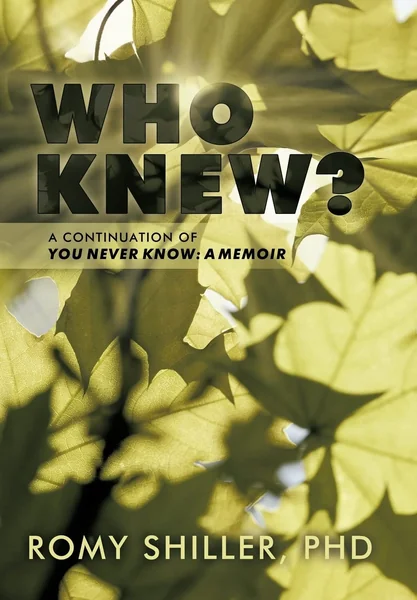
Who Knew?
Who Knew? by Romy Shiller Review: A Scholar's Clear-Eyed Memoir Continuation
Who Knew? Is Romy Shiller's follow-up to You Never Know: A Memoir, applying her academic work on the body to life after a brain tumour operation, a five-month coma, and lasting disability. A short, intellectually framed memoir best read after its predecessor.
LuvemBooks Verdict
Best for
Readers of Shiller's first memoir, You Never Know, who want to know what came next — and readers in or around disability studies, body image, and the sociology of the body who value a memoirist with formal scholarly training in exactly those fields.
Worth it if
It's worth reading if you already know the first volume or specifically want disability writing filtered through genuine academic training in gender performance and body scholarship, rather than a general-audience illness memoir.
Skip if
Skip it if you haven't read You Never Know and want a standalone book, or if you're after a conventional diagnosis-crisis-recovery arc — this is framed around ongoing adaptation, not cure.
What readers & critics say
Independent critics is essentially absent; the most substantive commentary comes from a small number of sympathetic Amazon.ca readers, who describe a continuation centred on acceptance, "blending realities," and fluctuation and adaptation as important qualities. The publisher's description on Trafford frames Shiller as "a medical mystery" who applies her scholarly work on the body to her new physical reality, driven by her belief that challenges can be met and overcome.
Sources: Amazon.ca, Trafford PublishingAsk LuvemBooks
Was this helpful?
- Is it worth reading?
- For the right reader, yes — LuvemBooks finds its clearest asset is its refusal to separate the mind from the circumstance: a scholar of gender performance and the body turning that analysis on herself gives the memoir an intellectual through-line most illness narratives lack. The caveats are real, though: at 124 pages it is brief, it depends entirely on having read You Never Know first, and the available reader commentary comes from a small, sympathetic base rather than independent reviewers. Readers of the first memoir, or those working around disability studies and body image, will get the most from it.
- Similar books
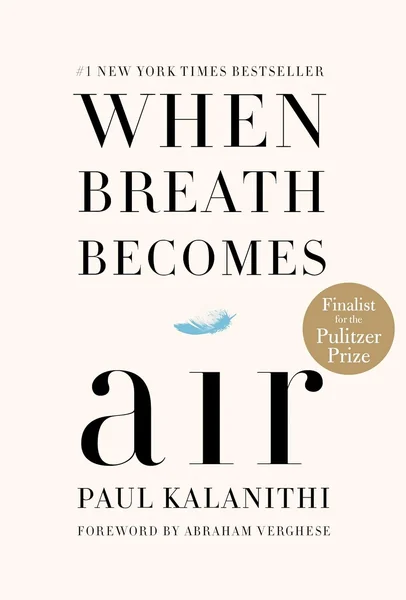
- The natural companion is Shiller's own You Never Know: A Memoir, which this volume continues. For other memoirs of medicine and altered bodies, LuvemBooks pairs it with When Breath Becomes Air by Paul Kalanithi, a neurosurgeon's reckoning with his own terminal diagnosis; My Stroke of Insight by Jill Bolte Taylor, a brain scientist's account of her own stroke; and No Time Like the Future by Michael J. Fox, on optimism in the face of ongoing illness. Readers drawn to the resilience and personal-growth dimension might also consider Cheryl Strayed's Wild.
- Who should read this?
- LuvemBooks identifies two ideal audiences: readers of You Never Know who want to know what came next for Shiller, and readers working in or around disability studies, body image, and the sociology of the body who value a memoirist with formal scholarly credentials in exactly those areas. One Amazon.ca reader notes that newcomers to her work would not detect her physical limitations on the page — she appears as critic and scholar first, not "a body-in-circumstance."
- Where should I start with this author?
- Unquestionably You Never Know: A Memoir. Who Knew? announces itself as a continuation in its subtitle, and the review is explicit that readers who haven't read the first volume enter mid-story. The first memoir establishes the medical events — the brain tumour operation and five-month coma — that the second volume examines through Shiller's scholarly framework.
- How is it different from typical illness memoirs?
- Method rather than event. Most illness memoirs follow diagnosis, crisis, and recovery; Who Knew? instead applies Shiller's academic work on the body — gender performance, film, camp, critical thought — to her own lived experience of disability. The concept of drag, the subject of her PhD thesis, surfaces in reader accounts as important to her framework, and the book is structured around ongoing adaptation rather than cure, giving it an argument instead of a diary shape.
- How much weight should reader reviews carry?
- Proceed with caution. The most substantive commentary available comes from a small number of Amazon.ca reviews, and one of the most detailed was written by a reader who describes becoming internet friends with Shiller after her first book. That is engaged, sympathetic readership rather than detached criticism — consistent with the book's stated design, but prospective buyers should calibrate expectations rather than treating it as broad critical consensus.
Summarize this book
Follow up
Synthesized from verified book data & published reviews · How we review
What would you like to know about Who Knew??
Answers come from our editorial notes on this book. If we haven't covered something, we'll say so.
Readers often ask
Our Review
We review the evidence: published critics, reader verdicts and BookTube reviews, gathered and weighed with AI assistance and edited by LuvemBooks, rather than one reader's first-hand take.
What the Book Is
The Scholar's Lens on the Body
Strengths Worth Naming
Limitations to Weigh
Who It Is For
Sources & Further Reading
The key facts and claims in this review are grounded in the retrieved, verified sources listed below.
- Cited in this review
- 1
- 2
en.everybodywiki.com
- Further reading
- 3
trafford.com
- 4
- 5
- 6
- 7
Age & Reading Level
Our age band
Adult
Our age band groups books for browsing; it isn't an age a review gave.
2 content notes · who it suits
Content to know about
Skip if you haven't read You Never Know and want a standalone memoir with a conventional diagnosis-to-recovery arc — this is a brief continuation framed around ongoing adaptation, not cure.
Reader reviews
Be one of the first readers to answer.
Read it? Was it right for you?
Books like Who Knew?
Curated picks for readers who enjoyed Who Knew?, with our reasoning for each match.

If you liked Who Knew?