9 min read
4.7
· 2,640 Amazon ratingsShare This Review

Our review
The Uncool
The Uncool: A Memoir by Cameron Crowe Review: A Rock-and-Roll Coming-of-Age Reckoning
Cameron Crowe's New York Times bestselling memoir, The Uncool, chronicles the real-life adolescent adventures that became the foundation for his celebrated film Almost Famous — a coming-of-age journey through the golden age of rock journalism, told with the sincerity and candor that have defined his career across decades. This review is based on the book's content and published critical reception, not hands-on reading.
LuvemBooks Verdict
Best for
Devoted fans of Almost Famous or Fast Times at Ridgemont High, rock music history enthusiasts, and readers who prize memoirs that blend cultural elegy with genuine personal confession over conventional celebrity name-dropping.
Worth it if
You're drawn to behind-the-scenes portraits of 1970s rock culture told from the inside — or you want the emotional and biographical source material that Almost Famous could only partially render on screen.
Skip if
You have little prior investment in 1970s rock history or Crowe's filmography, or you're likely to bristle at a celebrated Hollywood insider earnestly positioning himself as a lifelong outsider — a tension the New York Times review identifies as the memoir's central unresolved problem.
What readers & critics say
Critical response has been broadly strong: nytimes.com raises the book's most pointed challenge, questioning whether a teenage Rolling Stone contributor turned acclaimed filmmaker can credibly claim the "uncool" underdog identity, framing the self-positioning as "pandering." Elsewhere, simonandschuster.com surfaces a New York magazine observation that the book is "deeper than the typical Hollywood memoir, as much about the fears and loneliness that defined those early years as the famous people he brushed up against," and bookshop.org carries starred reviews from Kirkus and Booklist alongside its New York Times bestseller status.
Sources: The New York Times, Simon & Schuster, Bookshop.org, The Guardian, bookmarks.reviews, CultureSonar, KAXE, The Entertainment Nut, johnwalterswriter.com, probinism.comAsk LuvemBooks
Was this helpful?
- Is it worth reading?
- For readers drawn to rock music history, Crowe's filmography, or memoirs that blend cultural history with personal confession, The Uncool earns a strong recommendation. New York magazine observed it is 'deeper than the typical Hollywood memoir, as much about the fears and loneliness that defined those early years as the famous people he brushed up against' — a quality that separates it from name-dropping celebrity autobiography. The chorus of praise from figures including Stevie Nicks, Maggie Rogers, and Anderson Cooper points consistently toward emotional authenticity rather than mere insider access. The one meaningful caveat is the New York Times' substantive challenge to the book's 'uncool' self-positioning — readers skeptical of that framing may find themselves arguing with the memoir's self-portrait even while engaging with its rich material.
- Similar books
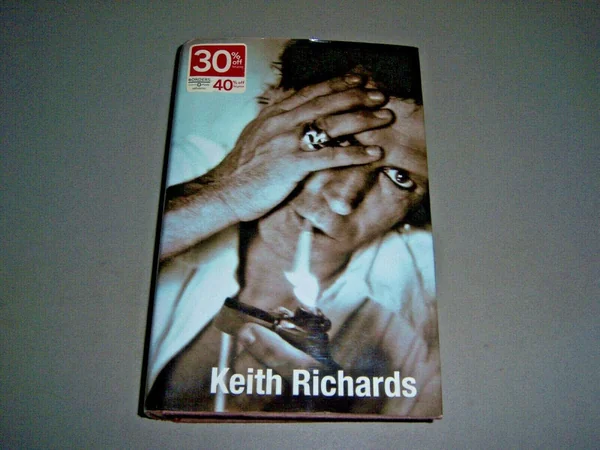
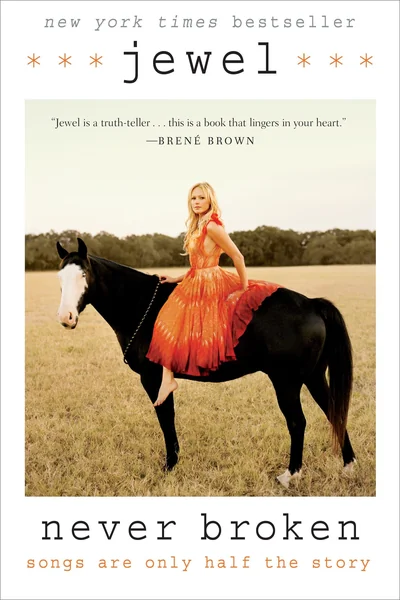
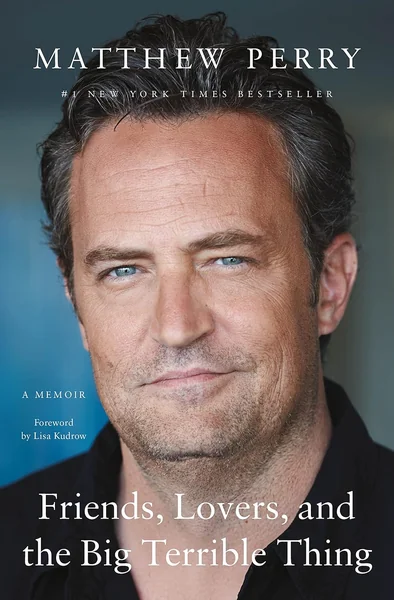
- Readers who connect with The Uncool's blend of personal confession and cultural nostalgia will find kindred spirits in several memoirs. Matthew McConaughey's Greenlights shares the unfiltered, idiosyncratic voice of a major entertainer reckoning with his own mythology. Jennifer Grey's Out of the Corner: A Memoir similarly navigates the emotional cost of being inside Hollywood's inner circle while feeling perpetually on its margins. Among books not yet in the LuvemBooks catalogue, Keith Richards' Life offers a deep-immersion rock era primary source, Matthew Perry's Friends, Lovers, and the Big Terrible Thing delivers the rawness of celebrity memoir done with unusual candor, and Jewel's Never Broken: Songs Are Only Half the Story echoes Crowe's music-world sincerity.
- Who should read this?
- The Uncool will find its most enthusiastic audience among readers who love rock music history, who came to Crowe's work through Almost Famous or Fast Times at Ridgemont High, and who are drawn to memoirs that blend cultural history with personal confession. Readers interested in music journalism as a form, or behind-the-scenes portraits of the music world before the internet flattened its mystique, are the memoir's natural constituency. Those expecting a conventional Hollywood insider account will find something more inward-looking; those who already love Almost Famous will find the source material for that film rendered with a dimension that even a great movie cannot fully supply.
- What do critics say?
- Critical reception has been notably strong, with particular praise for the memoir's emotional depth. New York magazine called it 'deeper than the typical Hollywood memoir, as much about the fears and loneliness that defined those early years as the famous people he brushed up against,' while critics characterized it as 'Crowe's charming new memoir' and 'an elegy for a lost time and place, when rock 'n' roll culture was still a secret handshake.' The most substantive dissent comes from the New York Times, which raised a pointed challenge to the book's 'uncool' premise — questioning whether a teenage Rolling Stone contributor and celebrated Hollywood filmmaker can credibly occupy the underdog identity the memoir claims, and framing the book's self-positioning as 'pandering.' The memoir's New York Times bestseller status reflects strong reader appetite alongside its critical recognition.
- Why does this book matter culturally?
- Crowe occupies a singular position in American cultural life as a figure who moved from teenage rock journalist to novelist to filmmaker, accumulating an unusually wide-angle view of the entertainment industry across multiple decades and disciplines. The Uncool functions as a primary-source cultural document of rock music's most storied period, offering access to music legends in contexts that formal journalism rarely captures — and doing so from the perspective of a genuine teenage participant rather than a later chronicler. Critics note that the memoir brings its subjects 'to a light and life that dramatic rendering could only begin to get at,' a meaningful distinction even given that Almost Famous itself is already considered a landmark portrayal of that world.
- Where should I start with Cameron Crowe?
- For readers new to Cameron Crowe's work, the most natural entry point depends on the medium: the film Almost Famous (2000) is his most celebrated creative work and serves as the fictional counterpart to The Uncool's real-life events, making them an ideal paired experience. For those who prefer to begin with the written word, The Uncool itself is the primary-source account that preceded the film, and its memoir form means no prior knowledge of Crowe's career is strictly required — though familiarity with Almost Famous significantly enriches the reading.
Summarize this book

Follow up
Synthesized from verified book data & published reviews · How we review
What would you like to know about The Uncool?
Answers come from our editorial notes on this book. If we haven't covered something, we'll say so.
Readers often ask
Our Review
We review the evidence: published critics, reader verdicts and BookTube reviews, gathered and weighed with AI assistance and edited by LuvemBooks, rather than one reader's first-hand take.
What the Book Actually Is — and What It Chronicles
Place in the Cultural Record — Why It Matters
Strengths — Depth, Intimacy, and a Distinct Emotional Register

A Genuine Critical Tension — The "Uncool" Question
Who This Memoir Is For — and How It Reads Today
Sources & Further Reading
The key facts and claims in this review are grounded in the retrieved, verified sources listed below.
- Cited in this review
- 1
- 2
publishersweekly.com
- Further reading
- 3
- 4
- 5
culturesonar.com
- 6
- 7
bookbrowse.com
- 8
johnwalterswriter.com
- 9
skylightbooks.com
- 10
simonandschuster.com
- 11
barnesandnoble.com
Age & Reading Level
Recommended age
Adult
who it suits
Skip if You have little interest in 1970s rock culture or Cameron Crowe's filmography and are looking for a memoir with broader cultural reach.
Reader reviews
Be one of the first readers to answer.
Read it? Was it right for you?
Books like The Uncool
Curated picks for readers who enjoyed The Uncool, with our reasoning for each match.
If you liked The Uncool