
8 min read
4.5
· 195 Amazon ratingsShare This Review
The Crossing by Sophie Matterson Review: A Bold Solo Trek Across Australia
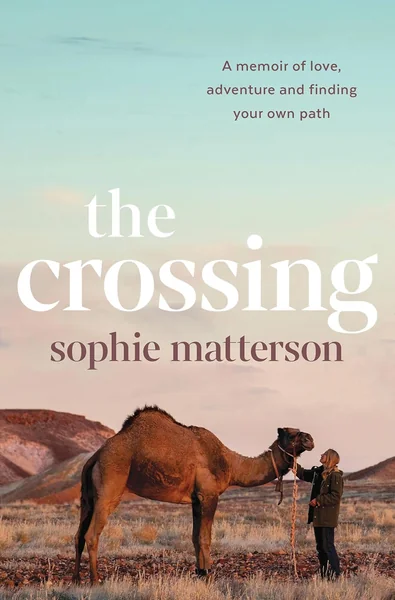
Sophie Matterson's The Crossing is a memoir about a thirteen-month solo journey undertaken in 2020, during which the Brisbane-based adventurer walked 4,750 kilometres across Australia with five wild camels — Jude, Delilah, Charlie, Clayton, and Mac — from Shark Bay in Western Australia to Byron Bay in New South Wales. Published by Allen & Unwin, it is a candid account of endurance, self-discovery, and unexpected love, and it earned Matterson the 2022 Australian Geographic Spirit of Adventure Award.
LuvemBooks Verdict
Best for
Readers who love long-form adventure memoir in the tradition of solo wilderness journeys — particularly those drawn to the intersection of extreme physical challenge, the Australian landscape, and an honest reckoning with the life left behind.
Worth it if
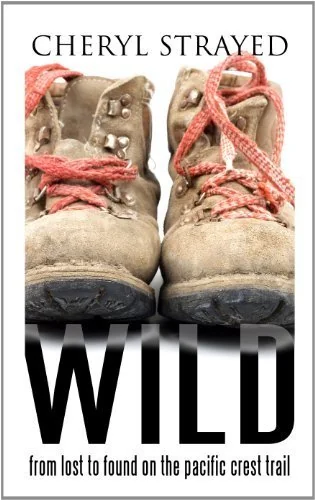
Worth it if you responded to memoirs like Cheryl Strayed's Wild and want that same long-walk-as-self-discovery form transported to the full width of the Australian continent, with five named camels as companions and a genuine historical first at its spine.
Skip if
Skip it if you need a fast-paced, externally driven adventure narrative — the memoir's long stretches of solitude and inward reflection faithfully mirror the real journey, but readers expecting relentless dramatic momentum may find the pacing contemplative rather than propulsive.
What readers & critics say
Copperfield's Books praises the memoir as "as profound as it is moving — a tapestry of adventure, love and, of course, camels," while glamadelaide.com.au frames it as "an epic story of leaving everything behind to find purpose, adventure and love." Harry Hartog notes its echoes of Cheryl Strayed's Wild and its status as "an empowering memoir about giving up a conventional life in the pursuit of something more," and the Canberra Times published an extract situating the thirteen-month, near-5,000-kilometre crossing within Matterson's personal transformation.
Sources: Copperfield's Books, Glam Adelaide, Harry Hartog, Canberra TimesAsk LuvemBooks
Was this helpful?
- Is it worth reading?
- For readers drawn to long-form adventure memoir that takes both the natural world and the inner life seriously, The Crossing is a compelling and historically significant work — Matterson's achievement as the first woman to complete a camel crossing of Australia's full width gives the book rare documentary weight alongside its personal depth. Copperfield's Books describes it as 'as profound as it is moving,' and the memoir's specificity — named camels, named landscapes, named emotional turning points — sets it apart from more generic solo-journey narratives. The key caveat is pacing: those expecting a tightly plotted, externally driven adventure may find the long stretches of solitude and inward reflection slow the momentum, though LuvemBooks regards this as a matter of taste rather than a failure of craft.
- Similar books
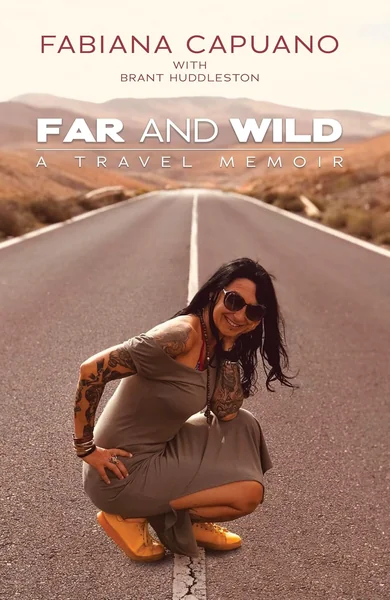
- Readers who connect with The Crossing will find natural companions in Cheryl Strayed's Wild — the most frequently cited comparison, in which a solo journey through harsh landscape becomes a woman's reckoning with herself — and Eva zu Beck's The Wilder Way: A Memoir of Adventure, Freedom, which shares the spirit of leaving behind convention for demanding self-directed travel. For more international adventure memoir in a similar vein, Fabiana Capuano and Brant Huddleston's Far and Wild: A Travel Memoir and Susanna Janssen's Once Upon a Continent: A Memoir of South American Adventures both explore landscapes and inner lives in tandem. Rachel Friedman's The Good Girl's Guide to Getting Lost: A Memoir of Three Continents, Two Friends offers a lighter but thematically resonant take on young women abandoning expected paths for transformative travel.
- Who should read this?
- The Crossing is best suited to readers who have a strong appetite for long-form adventure memoir in the tradition of solo wilderness journeys — particularly those who responded to Cheryl Strayed's Wild or the broader genre of explorers making meaning through landscape. It will also appeal strongly to readers interested in Australian geography and culture, in human-animal relationships, or in narratives about women stepping outside conventional life expectations. Those who appreciate a memoir that holds both the exterior journey and the interior reckoning in equal focus — what Copperfield's Books calls a book that allows readers to 'revel in the beauty of the Australian continent' while also being let 'into her innermost self' — will find it especially rewarding.
- What makes this journey historic?
- In 2021, Sophie Matterson became the first woman to complete a camel crossing of the full width of Australia — a 4,750-kilometre walk from Shark Bay in Western Australia to Byron Bay in New South Wales, undertaken over thirteen months with five wild camels named Jude, Delilah, Charlie, Clayton, and Mac. The journey's recognition with the 2022 Australian Geographic Spirit of Adventure Award confirmed its place within the national record of exploration and endurance. Allen & Unwin notes that the achievement is rooted in 'giving up a conventional life in the pursuit of something more,' grounding the historic credential in a deeply personal motivation.
- What is the writing like?
- Matterson's prose is praised for its specificity and directness: she names her camels, names the landscape features she crosses, and names her emotional turning points rather than retreating into abstraction, which Copperfield's Books credits as a 'gift for writing.' The book moves through strikingly varied terrain — remote desert, salt lakes, isolated stations, coastal stretches — all rendered through Matterson's immediate, first-person perspective. Allen & Unwin's synopsis describes the memoir as a 'tapestry of adventure, love and, of course, camels,' and the structure incrementally builds compounding pressures of lockdown isolation, physical danger, and personal doubt across the full thirteen months.
- Is this more adventure or self-help?
- The Crossing is firmly a memoir rather than a self-help guide — it does not offer prescriptive advice or structured frameworks, but instead documents a lived experience from which themes of resilience, self-sufficiency, and clarity emerge organically. Allen & Unwin frames it as a story about 'giving up a conventional life in the pursuit of something more,' and the inward reckoning is grounded in specific events: the decision to leave a relationship, the daily demands of the camels, and the weeks of isolation imposed by the COVID-19 lockdowns. Readers who enjoy memoir that carries implicit lessons about self-trust without spelling them out didactically will find it more resonant than those expecting a motivational structure.
Summarize this book
Follow up
Synthesized from verified book data & published reviews · How we review
Press Enter to ask. Answers come from our editorial Q&A — start typing to see related questions.
Age & Reading Level
Recommended age
Adult
Reading level
Adult
Content to know about
Skip if You're looking for a fast-paced, plot-driven adventure with constant external tension rather than extended introspective solitude.
Our Review
What the Book Is — and What It Puts on the Line
The Significance of the Achievement
Matterson's Voice and the World She Describes
Genuine Strengths of the Work
Who It Is For — and Where It May Not Satisfy
Sources & Further Reading
The key facts and claims in this review are grounded in the retrieved, verified sources listed below.
- Cited in this review
- 1
- Further reading
- 2
sophiematterson.com
- 3
- 4
glamadelaide.com.au
- 5
- 6
Books like The Crossing
Curated picks for readers who enjoyed The Crossing, with our reasoning for each match.
If you liked The Crossing
Why It’s Trending
Solo Camel Trek Memoir Finds New Readers as Adventure Travel Stories Gain Fresh Appeal
Sophie Matterson's account of walking 4,750km across Australia with five camels continues to draw readers looking for real, gripping adventure stories. With no strong news hook tied to the book right now, it appears to be finding its audience organically — which often says the most about a book's staying power.