
9 min read
4.8
· 212 Amazon ratingsShare This Review
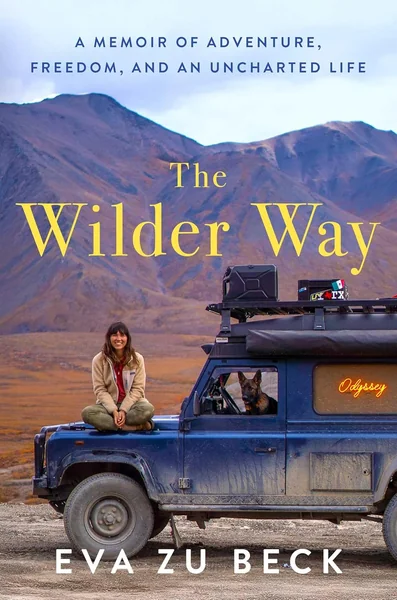
The Wilder Way by Eva zu Beck Review: A Raw, Globe-Spanning Debut Memoir
The Wilder Way is Eva zu Beck's debut memoir, published by Gallery Books in June 2026, tracing her seven-year transformation from a conventional London life into an existence defined by extreme adventure and self-interrogation — from solo horse-trekking in Mongolia to riding out COVID-19 alone on a remote Yemeni island. Critical coverage finds her "frustratingly impulsive and naïve at times" but ultimately "a captivating storyteller," and critical coverage notes that the narrative resists neat resolution by design, with zu Beck herself acknowledging she "failed to find myself" in her travels yet learned to live with uncertainty. It is a memoir for readers drawn to high-stakes adventure writing and honest accounts of lives deliberately unmapped.
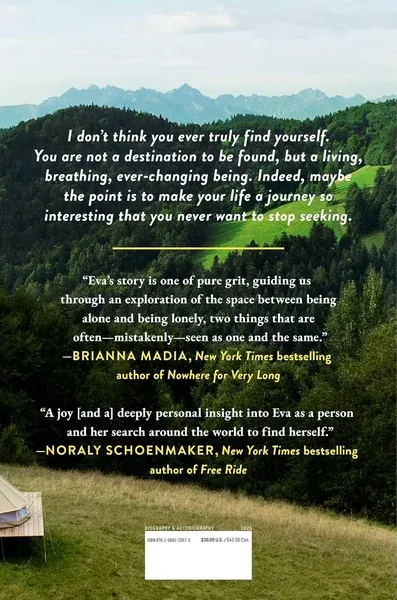 Tap to enlarge
LuvemBooks Verdict
Best for
Readers drawn to women's adventure memoir who want the full, unsanitised picture — the recklessness alongside the wonder — and who are comfortable with a narrator who accumulates extraordinary experiences without packaging them into a tidy life lesson.
Worth it if
You want a geographically sweeping, emotionally honest debut that trades the expected epiphany for something rarer: a narrator willing to admit she "failed to find myself" and kept going anyway.
Skip if
Skip it if you need a protagonist who reflects steadily before acting, or if you require a clear, hard-won thesis waiting at the memoir's close — zu Beck's deliberate open-endedness will frustrate rather than liberate you.
What readers & critics say
Kirkus Reviews awarded the book a starred review, calling zu Beck "a captivating storyteller" and the memoir "an inspiring, action-packed journey to find one's self through perilous adventures in exotic, far-flung destinations," as quoted on simonandschuster.com. Library Journal describes it as a "compelling, introspective travel memoir" that "will transport readers to beautifully described isolated places," while Publishers Weekly, per its own retrieved page, characterises the book as a "spirited debut" in which zu Beck frames her travels as an attempt to reconcile a long-felt sense of displacement.
“A captivating storyteller… an inspiring, action-packed journey to find one's self through perilous adventures in exotic, far-flung destinations.”
— Kirkus Reviews“Travel vlogger zu Beck chronicles her commitment to a life of globe-trotting in her spirited debut.”
— Publishers WeeklyAge & Reading Level
Recommended age
Adult
Reading level
Adult
3 content notes · who it suits
Content to know about
Best for: Adults — candid treatment of substance abuse, infidelity, and ongoing psychological crisis makes this best suited to adult readers.
Skip if you want a self-discovery memoir that delivers a clear, hard-won lesson or resolved transformation by the final page.
In This Review
- What Works & What Doesn't
- What the Book Is and What It Chronicles
- Premise, Emotional Argument, and Honest Reckoning
- Storytelling Strengths and the Adventurer's Voice
- Limitations and the Honest Critique
- Who This Book Is For and Where It Sits
What Works & What Doesn't
What Works
- Spans a genuinely extraordinary breadth of adventure — Mongolia, Yemen, Pakistan, the Arctic, and a Mexico-to-Alaska road trip — giving the memoir rare geographic and experiential range
- Kirkus Reviews singles out the immersive storytelling in standout episodes, including the Mongolian horse camp and the solo COVID lockdown on a remote Yemeni island, as particularly captivating
- Zu Beck's refusal to manufacture a tidy epiphany — admitting she 'failed to find myself' yet kept going — gives the memoir an emotional honesty that sets it apart from conventional self-discovery narratives
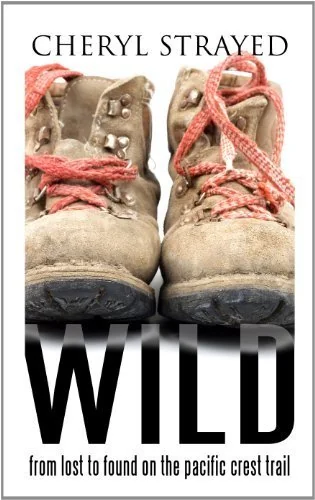
- Readers familiar with Cheryl Strayed's Wild will find a thematically kindred but geographically far wider companion in this debut
What Doesn't
- Kirkus Reviews flags moments where zu Beck reads as 'frustratingly impulsive and naïve,' which may test readers who prefer more reflective protagonists
- The narrative's deliberate resistance to neat resolution — a structural choice, not an oversight — will not satisfy readers seeking a clear, hard-won lesson at the memoir's close
What the Book Is and What It Chronicles
Premise, Emotional Argument, and Honest Reckoning
Storytelling Strengths and the Adventurer's Voice
Limitations and the Honest Critique
Who This Book Is For and Where It Sits
Frequently Asked Questions
Sources & Further Reading
The key facts and claims in this review are grounded in the retrieved, verified sources listed below.
- Cited in this review
- 1
kirkusreviews.com
- 2
- Further reading
- 3
- 4
bookbrowse.com
- 5
evazubeck.com
- 6
- 7
- 8
- 9
Related Reviews
Reviews of books we picked for readers who enjoyed The Wilder Way.
Reader Comments
No comments yet
Be the first to share your thoughts!