8 min read
4.9
· 40 Amazon ratingsShare This Review
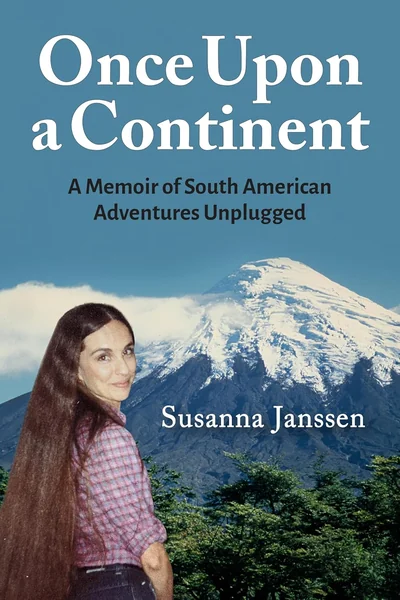
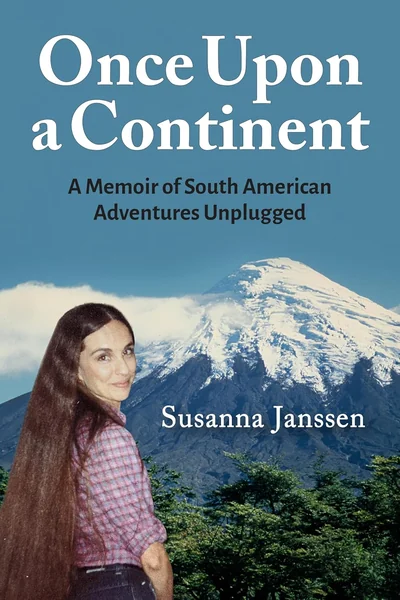
Once Upon a Continent by Susanna Janssen Review: A Vivid Pre-Internet South American Odyssey
Susanna Janssen's memoir recounts her 1979 solo leap into South America — trading her Sacramento apartment and part-time jobs for an unscripted continental adventure with a fellow young woman traveler, long before GPS, smartphones, or the internet could cushion the fall. Blending near-disaster, cultural immersion, and humor, the book has drawn praise from Midwest Book Review and a chorus of fellow authors for going well beyond travelogue territory.
LuvemBooks Verdict
Best for
Readers who love adventure travel memoirs with a strong authorial voice, a sharp eye for language and culture, and a taste for the absurd — especially those curious about or nostalgic for independent travel in the pre-internet era.
Worth it if
You're drawn to continent-spanning adventure writing that balances genuine danger with genuine humour, and you want a compact, efficiently told memoir grounded in cultural specificity rather than contemporary introspection.
Skip if
You're expecting a country-by-country travel guide or a deeply introspective contemporary memoir — at 215 pages, the episodic structure prioritises story and cultural observation over extended psychological interiority.
What readers & critics say
The Ukiah Daily Journal reports that Midwest Book Review Senior Reviewer Diane Donovan calls the book "packed with eye-opening cultural reflection and gripping moments of near-disasters and engrossing discoveries," describing it as "more than a travelogue and a memoir — a venture into wonder." Endorsements gathered on susannajanssen.com highlight the memoir's "refreshing mix of candor, humor, and humility" and credit Janssen's dual-language gift with bringing authenticity to the scenes she recreates.
Sources: Ukiah Daily Journal, susannajanssen.comAsk LuvemBooks
Was this helpful?
- Is it worth reading?
- For readers drawn to adventure travel writing with a strong personal voice and a genuine sense of humor, Once Upon a Continent delivers. Diane Donovan, Senior Reviewer at Midwest Book Review, calls it 'packed with eye-opening cultural reflection and gripping moments of near-disasters and engrossing discoveries,' and author Jody Gehrman describes it as a memoir that 'sings,' crediting Janssen as 'clever, curious, informed, and cool in the face of danger.' Multiple reviewers consistently name the same strengths: the narrative balance between danger and comedy, the cultural specificity, and an authorial presence shaped by Janssen's established reputation as a wordsmith. Readers seeking a memoir focused primarily on personal transformation in the contemporary introspective mode may find the episodic, adventure-forward structure a different kind of read than they expect.
- Similar books
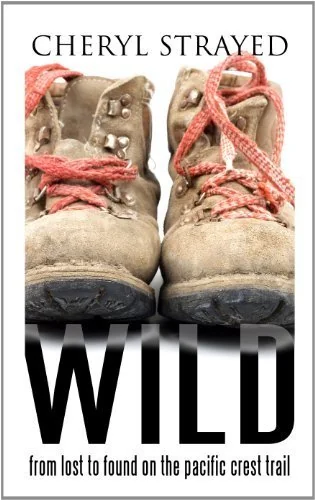
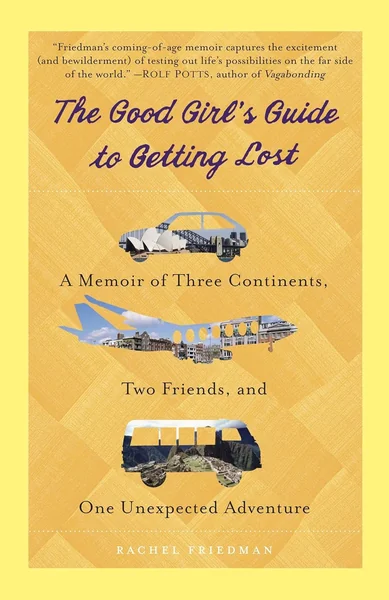
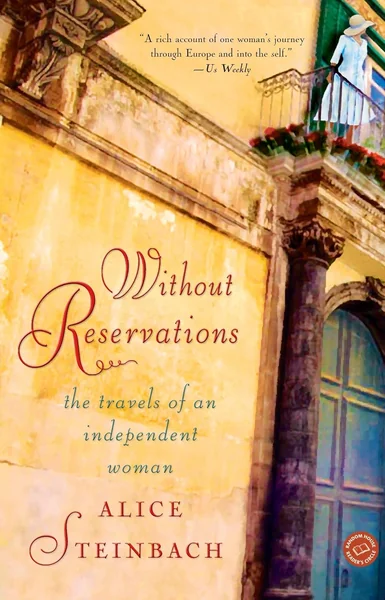
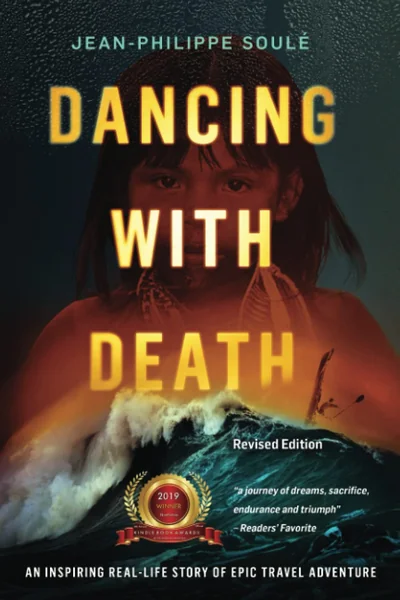
- Readers who connect with Once Upon a Continent will find strong companions in several kindred memoirs. Rachel Friedman's The Good Girl's Guide to Getting Lost and Cheryl Strayed's Wild share the independent-woman-on-the-road spirit and candid personal voice. Jennifer Baggett's The Lost Girls echoes the theme of women stepping off the conventional path for an extended international adventure. For readers drawn to the raw, high-stakes edge of Janssen's Andean episodes, Jean-Philippe Soulé's Dancing with Death and the co-authored Far and Wild: A Travel Memoir by Fabiana Capuano and Brant Huddleston offer comparable adventure-travel intensity. Alice Steinbach's Without Reservations: The Travels of an Independent Woman rounds out the list for those who appreciate a strong, culturally curious female traveler's voice.
- Who should read this?
- Once Upon a Continent is designed for readers drawn to adventure travel writing with a strong personal voice, an eye for language and culture, and a genuine sense of humor about brushes with the absurd and the dangerous. It will particularly resonate with anyone who traveled internationally before the internet age — Carol D. Hamilton, MD, notes that reading it sparked her own memories of pre-internet travel when hand-drawn maps and dog-eared guidebooks were essential — or with younger readers curious about what independent travel looked like stripped of its contemporary digital scaffolding. Language enthusiasts will find an added layer of pleasure in Janssen's attention to Spanish and its regional idiosyncrasies across South America. Readers expecting a conventional country-by-country travel guide or a memoir focused primarily on personal transformation in the contemporary introspective mode should calibrate their expectations.
- What are the main themes?
- At its core, Once Upon a Continent explores independent female travel as an act of genuine risk and cultural curiosity, not just personal reinvention. The pre-internet world it captures — where navigation meant hand-drawn maps and survival meant improvisation and human connection — threads through every episode, from frostbite in the high Andes to a marriage proposal at a Bolivian discotheque. Language is a central preoccupation: Janssen's attention to Spanish and its regional idiosyncrasies across South America gives the memoir a cultural depth that reviewers consistently single out. Humor and humility balance the danger, with multiple reviewers noting that Janssen's authorial voice holds candor, comedy, and self-awareness in equal measure.
- Where should I start with Janssen's work?
- Susanna Janssen has two books: her debut, Wordstruck! The Fun and Fascination of Language, and Once Upon a Continent. Author and editor Richard Gardiner notes that the memoir echoes the storytelling strengths of the earlier work, describing it as weaving 'suspense and genuine hilarity' in a way that rewards readers already familiar with Janssen's voice. Readers new to Janssen can start with either: Once Upon a Continent stands fully on its own, while Wordstruck! offers useful context for appreciating the linguistic sensibility Janssen brings to the adventure narrative.
- What's the reading experience like?
- At 215 pages, Once Upon a Continent is compact by memoir standards, and the storytelling moves efficiently through an episodic structure that prioritizes specific, memorable scenes over extended introspection. Multiple reviewers describe Janssen's voice as blending humor, candor, and humility in equal measure — Jody Gehrman sums it up as 'clever, curious, informed, and cool in the face of danger.' The book functions differently for different readers: for those who lived through the pre-internet travel era, it works as a vivid act of recollection; for younger readers, it offers a portrait of independent travel stripped of its contemporary digital scaffolding. Readers expecting extended psychological interiority should calibrate accordingly.
Summarize this book
Follow up
Synthesized from verified book data & published reviews · How we review
Press Enter to ask. Answers come from our editorial Q&A — start typing to see related questions.
Age & Reading Level
Recommended age
Adult
Reading level
Adult
Skip if you're looking for a deeply introspective, psychologically focused memoir or a conventional country-by-country travel guide.
Our Review
What the Book Is and What It Covers
The Book's Place Among Travel Memoirs
Strengths: Voice, Humor, and Cultural Depth
The Pre-Internet Frame and Its Appeal
Who Will Connect With This Book — and Where It Has Limits
Sources & Further Reading
The key facts and claims in this review are grounded in the retrieved, verified sources listed below.
- Cited in this review
- 1
- Further reading
- 2
mendocinocounty.gov
- 3
susannajanssen.com
Books like Once Upon a Continent
Curated picks for readers who enjoyed Once Upon a Continent, with our reasoning for each match.
If you liked Once Upon a Continent