8 min read
4.6
· 1,037 Amazon ratingsShare This Review
Education of a Wandering Man: A Memoir by Louis L'Amour Review: A Restless Mind's Testament to Self-Education
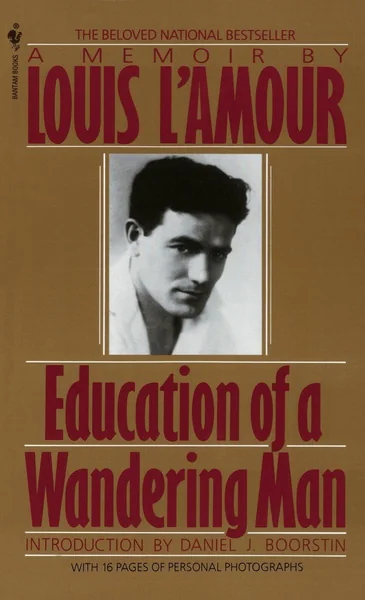
Education of a Wandering Man is Louis L'Amour's final completed work — a memoir in which the celebrated author of more than 100 books reflects on the unorthodox, experience-driven education that shaped him, from riding the rails as a hobo to sailing as a merchant seaman, all while pursuing a lifelong, voracious hunger for reading and self-improvement. This review is based on the book's contents and published reception; it does not represent hands-on use or application.
LuvemBooks Verdict
Best for
Admirers of L'Amour's fiction curious about the self-made intellectual life behind his westerns, and readers drawn to Depression-era America, self-directed learning, and the romance of a life built on books and open roads.
Worth it if
You prize voice, atmosphere, and inspiration over structure — and find the idea of a man stuffing paperbacks into his pockets while hoboing across America genuinely compelling.
Skip if
You're looking for a systematic framework or prescriptive curriculum for self-education, as the memoir's episodic, discursive design offers inspiration by example rather than any step-by-step instruction.
What readers & critics say
Critical reception has been broadly appreciative but mixed on structure: grokipedia.com notes some reviewers found the memoir "unstructured and superficial" while others valued its "engaging glimpses into self-education and adventure." Genuine reader response, reflected at sites including bookponder.com and edgeinducedcohesion.blog, runs warmer — consistently citing the book's power to inspire lifelong learning and praising L'Amour's "rigorous plan of self-education that he shares with the reader."
Sources: grokipedia.com, bookponder.com, edgeinducedcohesion.blog, thelittlemanreviews.com, puritanboard.comAsk LuvemBooks
Was this helpful?
- Is it worth reading?
- For the right reader, Education of a Wandering Man is a genuinely compelling and unusual book — one of L'Amour's most personal works precisely because it turns inward where his fiction always turned outward. The combination of authentic adventure storytelling and substantive reflection on books and ideas gives the memoir unusual range, and the inclusion of actual reading lists makes the self-education theme concrete and tangible. The key caveat is structural: the memoir is episodic and discursive by design, offering inspiration rather than instruction, so readers expecting a tightly argued self-improvement guide will likely be disappointed.
- Similar books
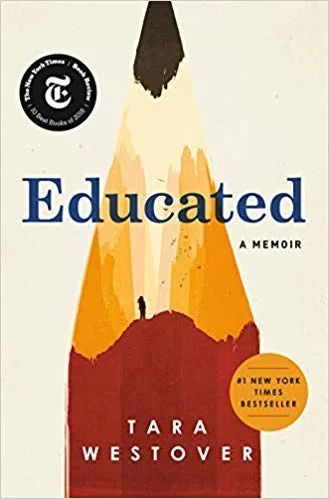
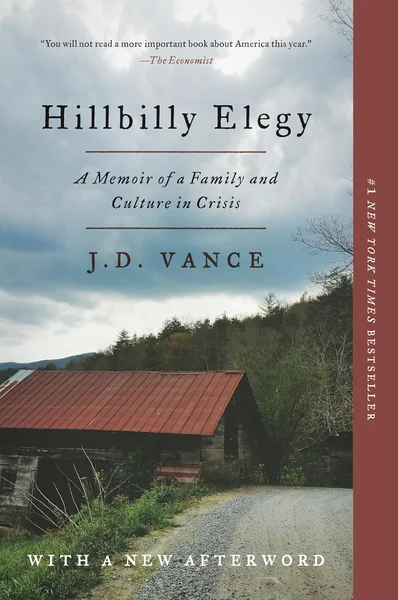
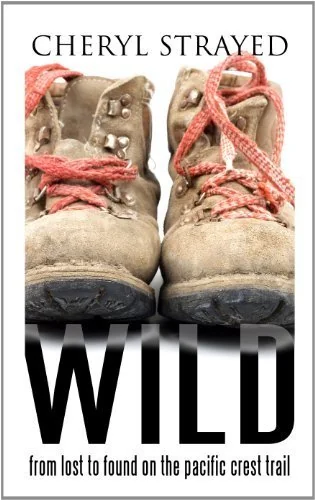
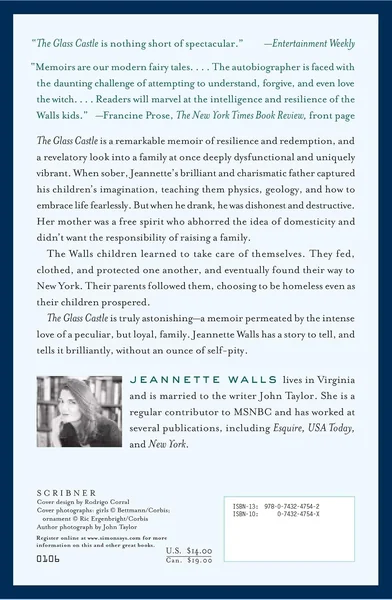
- Readers who connect with Education of a Wandering Man's portrait of an unconventional, experience-forged life will find strong company in the curated titles below. Tara Westover's Educated and Jeannette Walls's The Glass Castle both explore self-made intellectual lives shaped by extraordinary — and often harsh — circumstances outside traditional schooling. J. D. Vance's Hillbilly Elegy shares the memoir's interest in how background and environment shape a person's trajectory and sense of self. For readers drawn to the physical journey element, Cheryl Strayed's Wild offers a similarly introspective memoir built around movement through demanding landscapes and the search for personal meaning.
- Who should read this?
- Education of a Wandering Man is best suited to three overlapping audiences: admirers of L'Amour's fiction who are curious about the man and the reading life behind more than 100 westerns; readers with a genuine interest in Depression-era America, hobo culture, and self-made intellectual lives; and anyone who finds the idea of a life built on books and open roads intrinsically compelling. It is not the right fit for readers seeking a prescriptive self-improvement curriculum or a tightly structured narrative arc — the memoir leads by example and atmosphere, not by instruction.
- What are the reading lists in the book?
- One of the memoir's most distinctive structural features is the inclusion of actual reading lists from different periods of L'Amour's life, documenting what he was reading as a hobo, a merchant seaman, and a prizefighter. These lists make the self-education theme concrete and tangible rather than merely rhetorical — readers can see exactly which books L'Amour was carrying and reading during specific chapters of his wandering life. The lists are widely cited by readers as one of the most inspiring and practically useful elements of the memoir, turning the book into a kind of annotated bibliography of a self-made mind.
- What does the memoir reveal about Depression-era America?
- Through L'Amour's firsthand accounts, the memoir offers a vivid ground-level portrait of Depression-era America — hobo culture on the Southern Pacific Railroad, the texture of frontier life, and the economic conditions that drove men to ride the rails and take whatever work they could find. His portraits of bareknuckle prizefighting circuits crossing small-town America and encounters on the Shanghai waterfront flesh out a world that is both distinctly American and genuinely global. These episodes are presented not as sociological documentation but as lived experience, giving them an immediacy that more formal historical accounts rarely achieve.
- What is the Centennial Edition?
- Bantam Books issued a special Centennial Edition of Education of a Wandering Man as a mark of the book's sustained commercial and cultural significance. The Centennial Edition is tied to one of the best-selling American authors of the twentieth century and signals that the memoir has remained a meaningful and widely read work well beyond its initial posthumous publication. Its existence reflects the book's enduring power to resonate with readers interested in lifelong learning and self-directed education.
Summarize this book
Follow up
Synthesized from verified book data & published reviews · How we review
Press Enter to ask. Answers come from our editorial Q&A — start typing to see related questions.
Age & Reading Level
Recommended age
Adult
Reading level
Adult
who it suits
Skip if you want a structured, step-by-step framework for self-education rather than an episodic, inspiration-driven memoir.
Our Review
What the Book Actually Is
The Life Behind the Legend
The Self-Education Philosophy at Its Core
Reception and Resonance
Scope, Limitations, and Who It's For
Sources & Further Reading
The key facts and claims in this review are grounded in the retrieved, verified sources listed below.
- Cited in this review
- 1
scholesisters.com
- 2
louislamour.com
- 3
- 4
- Further reading
- 5
thelittlemanreviews.com
- 6
- 7
newbookrecommendation.com
- 8
Books like Education of a Wandering Man
Curated picks for readers who enjoyed Education of a Wandering Man, with our reasoning for each match.
If you liked Education of a Wandering Man