9 min read
4.5
· 3,511 Amazon ratingsShare This Review
Our review
Unaccustomed Earth
Unaccustomed Earth by Jhumpa Lahiri Review: A Masterful Portrait of Bengali-American Lives
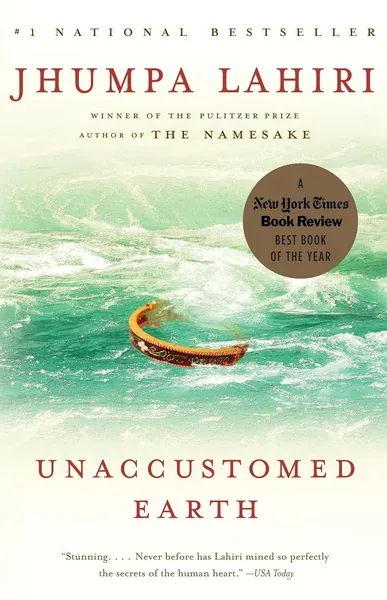
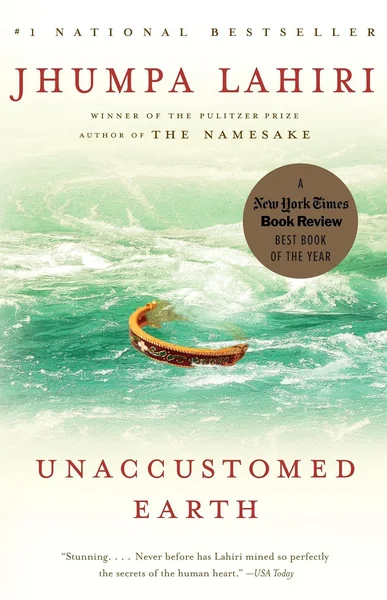
Unaccustomed Earth is Jhumpa Lahiri's second short story collection, presenting eight stories centered on Bengali immigrant families and their American-born children navigating identity, belonging, and the gravitational pull of a culture they are simultaneously leaving behind. The collection debuted at #1 on the New York Times Best Seller list and drew wide critical praise as the work of a writer at the peak of her powers.
LuvemBooks Verdict
Best for
Readers of psychologically precise literary fiction who are drawn to the nuances of immigrant identity, family obligation, and generational change — particularly those with an interest in the Bengali-American experience.
Worth it if
Worth reading if you value quietly observed, emotionally layered short fiction with unusual structural cohesion, including a concluding three-story triptych that gives the whole collection the arc of a novel.
Skip if
Skip it if you prefer short story collections that range widely in tone and subject matter, or if slow-burn emotional revelation without dramatic incident tests your patience.
What readers & critics say
Kirkus Reviews praised the collection as having "a novel's thematic cohesion, narrative momentum and depth of character," calling it "uncommonly rich" and some of Lahiri's most compelling fiction to date. The New York Times described the eight stories as "splendid," citing the Hawthorne epigraph as an apt and rich metaphor for the transformations Lahiri oversees across the lives of two generations of Bengali immigrants.
“An eye for detail, ear for dialogue and command of family dynamics distinguish this uncommonly rich collection.”
— Kirkus Reviews“The eight stories in this splendid volume expand upon Lahiri's epigraph — an apt, rich metaphor for the transformations Lahiri oversees in these pages.”
— nytimes.comAsk LuvemBooks
Was this helpful?
- Is it worth reading?
- For readers drawn to quietly observed, psychologically precise literary fiction, Unaccustomed Earth delivers in full. The collection debuted at number one on the New York Times Best Seller list and drew wide critical praise; the New York Times called its eight stories 'splendid,' and Christopher Kelly in the Fort Worth Star-Telegram described the book as resembling 'a symphony in eight movements' for the way it 'eloquently circles back over the same sets of themes and motifs without growing tired.' The key caveat is scope: the collection's sustained focus on Bengali-American experience is its greatest strength and its natural boundary, and readers who prefer tonal variety or plot-driven momentum may find it deliberately narrow.
- Similar books
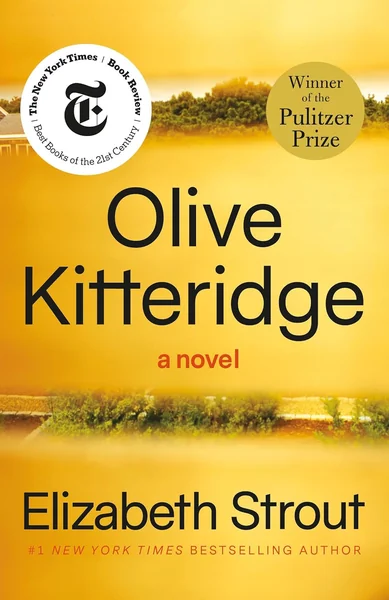
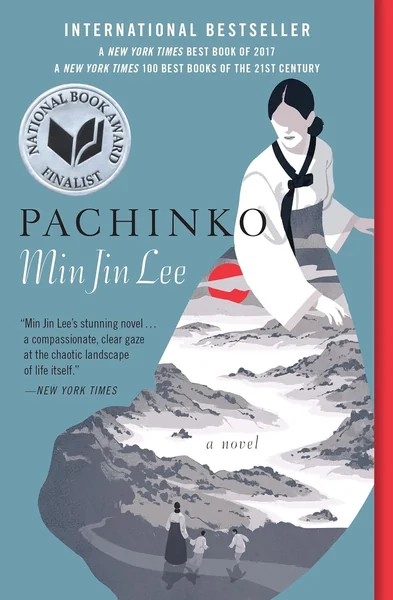
- Readers who connect with Unaccustomed Earth's exploration of immigrant identity and generational tension often find similar rewards in Pachinko by Min Jin Lee, which traces a Korean family across four generations of displacement and belonging, and The Brief Wondrous Life of Oscar Wao by Junot Díaz, which brings a Latin American immigrant family's history to life through a mix of cultural mythology and contemporary New Jersey. For readers drawn to the collection's quiet, psychologically precise prose style, Olive Kitteridge by Elizabeth Strout offers a structurally comparable linked short-story collection focused on a single Maine community. Lahiri's own The Namesake and the later Whereabouts further extend the themes of cultural dislocation and self-invention she develops here, for readers who want to explore her longer work.
- Who should read this?
- Unaccustomed Earth is written for adult readers of literary fiction who are drawn to psychologically precise, quietly observed prose about family obligation, cultural inheritance, and generational change. It will resonate especially with readers interested in the immigrant experience and the tension between assimilation and cultural memory — themes Lahiri maps across a broad, multi-generational cast of Bengali-American characters. Readers who prefer tonal variety across a collection, or stories that range widely in subject matter, should know the book is deliberately narrow in scope.
- About Jhumpa Lahiri
- Nilanjana Sudeshna 'Jhumpa' Lahiri is a British-American author known for her short stories, novels, and essays in English and, more recently, in Italian.
- Tell me about the adaptation
- A Netflix adaptation of Unaccustomed Earth was announced, according to reporting in The Telegraph India, bringing the collection's stories to a new generation of audiences. Specific details about casting, release dates, or how closely the adaptation will follow individual stories have not yet been widely confirmed in public reporting.
- How does this compare to Interpreter of Maladies?
- Unaccustomed Earth is widely regarded as a deepening and broadening of the project Lahiri began in Interpreter of Maladies, her Pulitzer Prize-winning debut. Where the debut introduced Lahiri's central concerns — cultural inheritance, immigrant identity, and the emotional residue of displacement — this collection applies those themes to a more expansive, multi-generational cast of characters. The most notable structural advance is the closing linked triptych, which gives Unaccustomed Earth a cumulative arc that a more conventional short story collection, including the debut, does not attempt.
- Where should I start with Jhumpa Lahiri?
- For readers new to Jhumpa Lahiri, Interpreter of Maladies — her Pulitzer Prize-winning debut short story collection — is the recommended starting point, as it establishes the voice and central preoccupations that Unaccustomed Earth deepens. Readers who want to go straight to Unaccustomed Earth can do so without prior context, as the stories stand independently. LuvemBooks has reviewed Interpreter of Maladies for readers who want a fuller assessment before deciding where to begin.
Summarize this book
Follow up
Synthesized from verified book data & published reviews · How we review
Press Enter to ask. Answers come from our editorial Q&A — start typing to see related questions.
Our Review
What the Collection Is and What It Contains
The Stories: Premise and Terrain
Critical Standing and Significance
What the Collection Does Well
Who This Collection Is For and Its Genuine Limitations
Sources & Further Reading
The key facts and claims in this review are grounded in the retrieved, verified sources listed below.
- Cited in this review
- 1
- 2
- 3
en.wikipedia.org
- Further reading
- 4
Jhumpa Lahiri, Wikipedia
- 5
- 6
belmontbooks.com
- 7
wordstreetbooks.com
- 8
dianesbooks.com
- 9
newsouthbookstore.com
- 10
- 11
Age & Reading Level
Recommended age
Adult
Reading level
Adult
Heat level
Mild · brief, understated references to adult relationships
Tropes
From how readers and romance sites describe it, not our own reading.
2 content notes · who it suits
Content to know about
Skip if you want tonal variety or plot-driven momentum across a short story collection
Reader reviews
Be one of the first readers to answer.
Read it? Was it right for you?
Books like Unaccustomed Earth
Curated picks for readers who enjoyed Unaccustomed Earth, with our reasoning for each match.
More by Jhumpa Lahiri


If you liked Unaccustomed Earth