8 min read
4.3
· 27,825 Amazon ratingsShare This Review
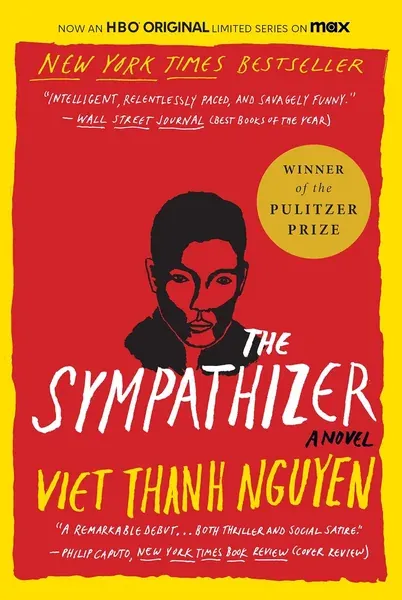
Our review
The Sympathizer by Viet Thanh Nguyen Review: A Pulitzer-Winning Novel of Divided Loyalties
Viet Thanh Nguyen's The Sympathizer is a Pulitzer Prize-winning novel narrated by a half-Vietnamese, half-French communist spy embedded within the South Vietnamese military, whose coerced confession frames a searing account of the fall of Saigon and the long exile that follows. Critically acclaimed and widely awarded, it stands as one of the defining American novels about the Vietnam War and its aftermath.
LuvemBooks Verdict
Best for
Readers of literary fiction who want a rigorously constructed Vietnamese perspective on the Vietnam War — particularly those who appreciate novels that function simultaneously as espionage thriller, immigrant narrative, and colonial critique.
Worth it if
Worth reading if you value cerebral, morally complex fiction in the tradition of Graham Greene — novels that take formal risks (here, a coerced-confession structure sustaining irony across its full arc) to match the weight of their historical subject.
Skip if
Skip it if you're looking for plot-driven war fiction with straightforward chronological momentum, or if you're sensitive to psychologically intense depictions of ideological coercion — the re-education camp sequences are deliberately unflinching.
What readers & critics say
Kirkus Reviews called it "both chilling and funny, and a worthy addition to the library of first-rate novels about the Vietnam War," likening Nguyen's register to Alan Furst meets Elmore Leonard, and The Guardian described it as an "impressive debut" containing "a Whitman-like multiplicity" that can be read as spy novel, war novel, immigrant novel, and novel of ideas all at once. The novel won the 2016 Pulitzer Prize for Fiction, as confirmed by the Pulitzer website, and bookmarks.reviews synthesised wider critical consensus noting that "the book pulses with Catch-22-style absurdities" while transcending its historical moment to probe the loneliness of human life.
“Both chilling and funny, and a worthy addition to the library of first-rate novels about the Vietnam War.”
— Kirkus Reviews“This impressive debut contains a Whitman-like multiplicity — it can be read as a spy novel, a war novel, an immigrant novel, a novel of ideas, a political novel.”
— The GuardianAsk LuvemBooks
Was this helpful?
- Is it worth reading?
- For readers drawn to literary fiction that operates as political and historical argument, The Sympathizer is richly rewarding — it functions simultaneously as an espionage thriller, an immigrant narrative, and a colonial critique, all sustained by a voice critics described as 'both chilling and funny.' Its Pulitzer Prize for Fiction and wide critical acclaim reflect the genuine ambition and achievement of its construction. The key caveat is that the narrator's relentlessly cerebral, essayistic style and the psychologically intense re-education camp sequences make this a demanding book, not a propulsive page-turner.
- Similar books
- Readers who responded to The Sympathizer's blend of espionage, moral complexity, and colonial critique are often directed toward Graham Greene and Robert Stone — writers Kirkus invoked as touchstones for fiction set in the wreckage empires leave behind. The espionage atmosphere filtered through dark comedy has also drawn comparisons to Alan Furst and Elmore Leonard. For other literary fiction dealing with war, displacement, and divided identity, Tim O'Brien's The Things They Carried, Denis Johnson's Tree of Smoke, and Viet Thanh Nguyen's own sequel The Committed are natural next reads.
- Who should read this?
- The Sympathizer is best suited to readers who value literary fiction that works as political and historical argument — those who appreciate novels that are simultaneously espionage thrillers, immigrant narratives, and colonial critiques. It will resonate especially with anyone seeking a Vietnamese perspective on a war that American culture has predominantly told from one side, and with readers comfortable with a cerebral, unreliable narrator whose voice spirals through ideology and self-examination. Readers looking for plot-driven war fiction or straightforward narrative momentum are likely to find it a frustrating match.
- Tell me about the adaptation
- The Sympathizer was adapted as an HBO television miniseries, premiering in April 2024, with Hoa Xuande starring as the unnamed narrator. The adaptation gives the novel's story extended life in a new medium, translating the confession-framed narrative of a communist double agent navigating the fall of Saigon and exile in Los Angeles for a television audience. The miniseries represents a significant milestone for Vietnamese-perspective storytelling in mainstream American prestige television.
- What are the main themes?
- The Sympathizer engages colonial history and the legacy of French and American imperialism in Vietnam, the psychology of divided identity and dual allegiance, and the experience of exile and displacement in the immigrant Vietnamese community in Los Angeles. The novel also functions as a sustained interrogation of ideology — how political commitment shapes and distorts self-understanding — dramatized through the confession structure itself, in which a communist true believer narrates his own moral compromises. Dark comedy and espionage atmosphere run throughout, preventing the political critique from becoming didactic.
- Is this a good book club pick?
- The Sympathizer is an excellent book club pick for groups comfortable with challenging literary fiction — the coerced-confession structure raises immediate questions about narrator reliability, the dark comedy invites debate about tone and intention, and the colonial and ideological arguments woven through the narrative generate substantial discussion. The novel's unflinching re-education camp sequences and the moral ambiguity of the narrator's double-agent existence provide no easy resolutions, which tends to fuel longer conversations. Groups expecting a plot-driven war narrative should adjust expectations toward the essayistic and recursive.
- Is this part of a series?
- The Sympathizer is the first book in a planned trilogy by Viet Thanh Nguyen. The sequel, The Committed, was published in March 2021 and continues the unnamed narrator's story. A third novel to complete the trilogy has been announced, though no publication date is confirmed as of the review's publication.
Summarize this book
Follow up
Synthesized from verified book data & published reviews · How we review
Press Enter to ask. Answers come from our editorial Q&A — start typing to see related questions.
Age & Reading Level
Recommended age
Adult
Reading level
Adult
2 content notes · who it suits
Content to know about
Best for: Adults — the novel's psychological intensity, ideological complexity, and graphic depictions of coercion and interrogation violence are intended for mature readers.
Skip if you want plot-driven war fiction with straightforward narrative momentum and moral clarity.
Our Review
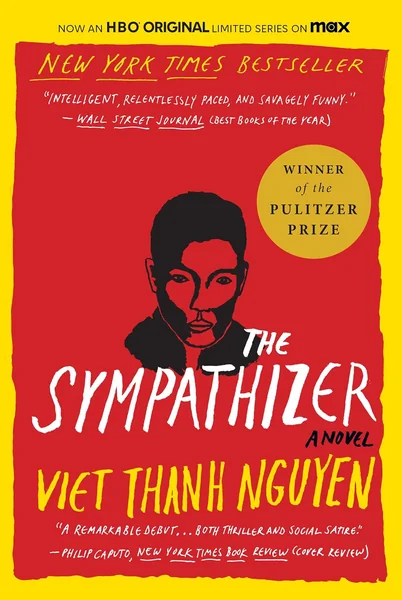
What the Novel Is and How It Works
The Novel's Place in the Literary Landscape
Strengths: Wit, Darkness, and Narrative Ambition
Limitations and Who May Find It Demanding
Who The Sympathizer Is For
Sources & Further Reading
The key facts and claims in this review are grounded in the retrieved, verified sources listed below.
- 1
en.wikipedia.org
- 2
kirkusreviews.com
- 3
libguides.tulane.edu
- 4
- 5
parnassusbooks.net
- 6
- 7
marcfriedmanesq.substack.com
- 8
- 9
Books like The Sympathizer
Curated picks for readers who enjoyed The Sympathizer, with our reasoning for each match.
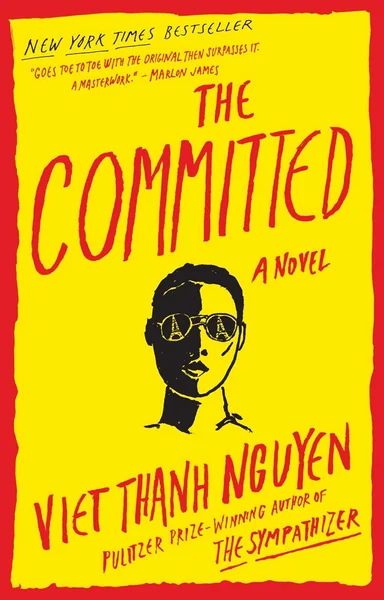
More by Viet Thanh Nguyen

If you liked The Sympathizer