Skip to content
Reviewed

Read Time

9 min read

Our age bandAdult
Reader rating
4.0 · 39,919 Amazon ratings, as of Nov 2026
reader ratings, not a LuvemBooks score
Curated & edited by

LuvemBooks Editorial

How we create our reviews →
Share This Review
Front cover of Before the Coffee Gets Cold

Our review

Before the Coffee Gets Cold

Before the Coffee Gets Cold Review: Tender, Quiet, Divisive (Toshikazu Kawaguchi)

Toshikazu Kawaguchi's Before the Coffee Gets Cold follows four visitors to a Tokyo café where time travel lasts only until the coffee cools. Bloggers praise its moving small stories; one objects to its traditionalist views of women.

Our age band: Adulta husband's Alzheimer's and memory loss · a terminal illness during pregnancy

LuvemBooks Verdict

Best for

Readers of translated literary fiction who want a quiet, character-driven read where time travel is a vehicle for grief, regret and reconciliation rather than plot.

Worth it if

Worth reading if you can accept slow, formal, sometimes stilted storytelling and want four short, aching stories about letting go, with the café's rules kept simple enough to ignore paradoxes.

Skip if

Skip it if you expect time-travel twists or action, if slow pacing and repeated rule-explaining wear on you, or if you bristle at stories that treat women's fulfilment as lying in marriage and motherhood.

Where reviewers agree and split

Readers rate it 4.0 on Amazon. The reviews we read that discuss it in depth split on some points:

Of the 3 reviews we read that discuss its emotional impact, 2 find it moving, but 1 felt emotionally numb while reading.

  • Emotional impact

    2 find it moving · 1 felt emotionally numb while reading

  • Prose

    1 praises the writing's gentleness · 1 finds the writing clunky or stilted

Emotional impact

Praise

“Despite the occasional clumsiness, the narrative is deeply moving.”

— chireviewofbooks.com · Book blog
Praise

“The experience of reading Before the coffee gets cold has been a heartwarming and emotional experience.”

— Catherine Rose Gunther · Book blog
Criticism

“I didn’t feel much while reading. I was emotionally numb for most of it”

— Bettie Toon · Book blog

Prose

Praise

“Kawaguchi’s writing is subtle but powerful and I look forward to reading more of his books.”

— Amy's Bookshelf · Book blog
Criticism

“Things fall apart from the get-go, mostly because of the incredibly clunky writing.”

— The Fiction Fox · Book blog
5 reviews weigh in (5 book blogs); counts are per topic. A review counts only where we can quote it.

Reception leans positive but is split. The Chicago Review of Books finds it deeply moving despite occasional clumsiness, and Literary Quicksand calls it worthwhile while noting dated gender values and a stilted flow; one book blogger rated it 1/5, objecting to its clunky writing, and another gave three stars, finding it emotionally numbing and repetitive.

Sources: Chicago Review of Books, Literary Quicksand, The Fiction Fox, Bettie Toon
4.0from 39,919 Amazon ratings, as of Nov 2026— reader ratings, not a LuvemBooks score

Ask LuvemBooks

Was this helpful?

Before the Coffee Gets Cold turns a Tokyo café's one-seat time-travel legend into four short stories about regret, illness and letting go. It suits readers who want a quiet, formal, translated novel where the emotion is in small moments, not in plot. The main caveat is a split among reviewers: some find it deeply moving, while others find the pacing slow and the stories' traditionalist approach hard to accept.
Is it worth reading?
It is worth reading if you can accept a slow, formal, quietly sentimental book. Others disagree: some reviewers felt emotionally numb while reading, and The Fiction Fox found the writing clunky. The Literary Quicksand reviewer called the pace slow and the prose stilted at times, but read the stiffness as a deliberate nod to Japanese etiquette.
Similar books
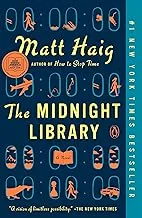
If this book's gentle approach to regret and second chances appeals, three nearby reads are The Midnight Library by Matt Haig, The Phone Box at the Edge of the World by Laura Imai Messina, and The Measure by Nikki Erlick. All three use a speculative premise as a way into grief, choices and how people face what they cannot change, rather than as a puzzle to solve.
Who should read this?
It fits readers of translated literary fiction who want a cozy but thought-provoking novel and are happy for time travel to be a device for grief and reconciliation. Literary Quicksand recommends it to fans of translated literature. It suits less well anyone expecting paradoxes, action or a satisfying fix for the characters' pain, and readers who bristle at traditional roles in fiction, since two of the three critical voices raise that point.
What age is it for?
It is written for adults rather than children or teens. Nothing in the reviews we read flags explicit sex or violence.
About Toshikazu Kawaguchi
Toshikazu Kawaguchi is a Japanese author best known for his debut novel Before the Coffee Gets Cold, a magical realist story set in a Tokyo café where customers can travel back in time as long as their coffee remains hot.
What are the main themes?
The central theme is letting go. Because the past cannot be changed, the book is about reconciliation and acceptance rather than fixing mistakes. Catherine Rose Gunther stresses that you cannot use it to change the future. Illness and memory loss run through the Kohtake and Fusagi story. The contested theme: The Fiction Fox and Literary Quicksand both read the stories as promoting marriage and motherhood as women's route to happiness.
Are there content warnings?
The handling is restrained rather than graphic, with Tushar Mangl noting the book avoids sentimentality. No reviewer reports explicit sex or violence.
What is the writing style like?
Reviewers split. Amy's Bookshelf calls the writing subtle but powerful, and chireviewofbooks.com found the narrative affecting despite occasional clumsiness. The Fiction Fox found it clunky. Literary Quicksand reads the formal speech as a deliberate effort to ground the stories in Japan, reflecting Japanese etiquette. Tushar Mangl likens the simplicity to someone talking gently over coffee.
Summarize this book

Summarize this book

In a century-old Tokyo café called Funiculi Funica, customers can travel in time under strict rules, and the trip ends when the coffee goes cold. The barista Kazu connects the episodes, and nothing that happens in the past can change the present.

Follow up

Where did the story come from?
Is there more in the same café?

Synthesized from verified book data & published reviews · How we review

Ask LuvemBooks

What would you like to know about Before the Coffee Gets Cold?

Answers come from our editorial notes on this book. If we haven't covered something, we'll say so.

Readers often ask

Our Review

We review the evidence: published critics, reader verdicts and BookTube reviews, gathered and weighed with AI assistance and edited by LuvemBooks, rather than one reader's first-hand take.

Reviewers who loved Toshikazu Kawaguchi's Tokyo café fable praise its emotional restraint and its four small, aching stories of regret, while the one sharp dissent objects to the old-fashioned views of women those stories carry. It is a quiet, contemplative read rather than a time-travel adventure, and that decides who will enjoy it.

What happens in Before the Coffee Gets Cold?

In a narrow back alley in Tokyo stands Funiculi Funicula, a café that has served coffee for more than a century. Local legend says it also offers time travel, under strict rules: customers must sit in one particular seat, which is free only when the ghost who usually occupies it steps away, and they cannot leave it.
They can meet only people who have visited the café, and nothing they do changes the present.
Most important, the trip lasts only as long as the coffee stays warm. The novel follows four customers.
Fumiko hopes to repair things with the boyfriend who left for a job in America, and Kohtake, a nurse, wants a letter her husband Fusagi wrote before Alzheimer's took his memory.
Hirai, a bar owner, seeks a conversation with the sister she has been avoiding. Barista Kazu ties the episodes together.
The book began as a 2010 play and became a novel in 2015. Geoffrey Trousselot's English translation reached Britain through Picador in 2019, and this Hanover Square Press edition followed in November 2020.

Do the four stories in Before the Coffee Gets Cold land emotionally?

Catherine Rose Gunther, a book blogger, scored it 95% and called it a heartwarming and emotional experience. She singled out the Alzheimer's story as the one she could not stop reading, and said the final mother-and-child chapter really got to her.
She also stressed that the book is not about using time travel to change the future, since you can't.
Tushar Mangl, who reviews on a personal blog, reads Kawaguchi's restraint as the book's strength. In his account the novel lets awkward pauses and plain dialogue expose what the characters cannot say.
He treats the Kohtake and Fusagi story as the emotional heart and says the book avoids the easy sentimentality that Alzheimer's fiction invites.
The blogger at Literary Quicksand, who gave it four stars, found the four arcs strong and several of the stories especially moving. The blogger at Brainy Pixel, a Christian book-review site, called it cozy and intriguing, and liked that the café's workings are never explained, which keeps it feeling like an urban legend.

How does the quiet pace and the translated prose read?

Literary Quicksand is clear that this is deeply contemplative literary fiction, not sci-fi or action. The reviewer found the episodes slightly slow in places, with the overall flow stilted at times.
The blogger reads the stiffness as likely deliberate on Trousselot's part, a way of grounding the stories in Japan, and says the formal speech reflects Japanese etiquette.
Tushar Mangl concedes some emotional repetition and over-explanation, so that it sometimes reads more like parable than polished literary fiction. He argues the simplicity becomes part of the charm, like someone talking gently over coffee.
Critics quoted in Wikipedia's summary of the reception made a similar split, one finding the narrative occasionally uneven and prone to meander while still landing real emotional resonance.
The time-travel rules stay simple enough that readers who don't care for paradoxes can still follow.

Does Before the Coffee Gets Cold romanticise traditional gender roles?

This is where the sharpest disagreement sits. The Fiction Fox objected that all four stories romanticise traditionalist views of women.
The Fiction Fox said she could not recommend the book to anyone, while acknowledging an audience exists, since it is her best friend's favourite.
Literary Quicksand raises the same issue more gently. It notes that the values around gender roles feel dated, especially in Kei's storyline, and that the book could be read as saying women's happiness lies in marriage and children.
That blogger doesn't think Kawaguchi consciously intends the message and says it did not ruin the read, but hopes later books show women choosing other paths. The same review adds that Kawaguchi doesn't fully explore why Kei wants to go ahead with the pregnancy.

Is Before the Coffee Gets Cold worth reading?

Weighing these reviews, the tension is between tenderness and traditionalism. Some reviewers find it a gentle, moving, character-driven book of small emotional truths, others felt little while reading it, and the harshest reader finds the same stories comforting only because they flatter old expectations of women.
Both sides agree on what the book is: unhurried, formal in tone, and more interested in letting go than in plot.
That points it toward readers who want a cozy but thought-provoking translated novel and who are happy for time travel to be a device for grief and reconciliation. Literary Quicksand recommends it to fans of translated literature and literary fiction, and calls it a rainy-day read if you can get past the stilted phrasing.
It points away from anyone expecting paradoxes, action or a satisfying fix for the characters' pain.
It also suits readers who bristle at traditional gender roles less well, since two of the three critical voices raise exactly that. The sequels, beginning with Tales from the Cafe, continue in the same café for readers who want more.

Sources & Further Reading

The key facts and claims in this review are grounded in the retrieved, verified sources listed below.

  1. Cited in this review
  2. 1
  3. 2

    en.wikipedia.org

  4. Further reading
  5. 3
  6. 4
  7. 5
  8. 6
  9. 7
  10. 8
  11. 9
  12. 10
  13. 11
  14. 12

    Chicago Review of Books

  15. 13

    Bettie Toon

Age & Reading Level

Our age band

Adult

Our age band groups books for browsing; it isn't an age a review gave.

Content to know about

a husband's Alzheimer's and memory loss
a terminal illness during pregnancy
the death of a parent leaving a young child
estrangement from a sibling

Best for: Written for adults. The themes of dementia and loss are handled gently, but they are mature subjects.

Skip if you want time-travel twists or action, or you object to stories that tie women's fulfilment to marriage and motherhood.

Toshikazu Kawaguchi on Before the Coffee Gets Cold

Toshikazu Kawaguchi discusses his writing routine, the inspiration for Before the Coffee Gets Cold, and the concept of time travel.

Uploaded by Centrul de Studii Romano-Japoneze, 2025 · Watch on YouTube ·

More from this interview on Toshikazu Kawaguchi's page →

Starting With the Title

Kawaguchi explains that because of his playwriting background, he always chooses a title before developing the plot, and came up with the title for Before the Coffee Gets Cold while drinking coffee.

From our readers

Reader reviews

Be one of the first readers to answer.

Read it? Was it right for you?