8 min read
4.1
· 3,035 Amazon ratingsShare This Review
A Thousand Acres by Jane Smiley Review: A Prize-Winning American King Lear
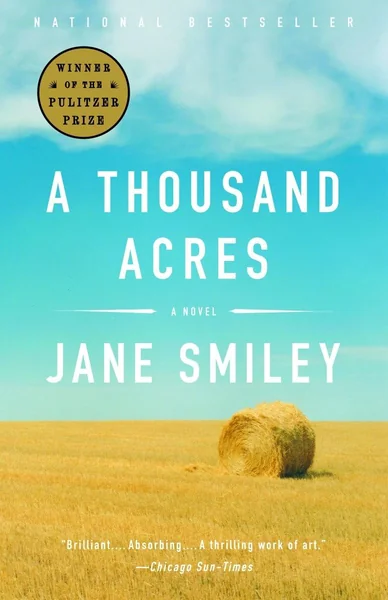
Jane Smiley's A Thousand Acres, first published in 1991 and available in a Vintage reprint edition, is a landmark American novel that transplants Shakespeare's King Lear to the farmlands of Iowa, winning the 1992 Pulitzer Prize for Fiction, the 1991 National Book Critics Circle Award for Fiction, and the 1992 Ambassador Book Award for Fiction on the strength of its unflinching portrait of family, land, and buried secrets.
LuvemBooks Verdict
Best for
Readers drawn to American literary fiction who want a feminist reframing of a canonical text — specifically those interested in how family trauma, gender, and landscape intersect beneath the surface of a familiar Shakespearean tragedy.
Worth it if
You're willing to sit with moral ambiguity and a slow, agricultural pace in exchange for a Pulitzer-winning novel that fundamentally reshapes your reading of King Lear by giving voice and interiority to its most maligned characters.
Skip if
You need the moral clarity or cathartic resolution of classical tragedy, or are so attached to the Shakespearean original that a fundamental inversion of its sympathies will frustrate rather than reward you.
What readers & critics say
Kirkus Reviews praised Smiley for "clawing open the ingratitude of a monarch's elder daughters to reveal a rage that could out-tempest Lear's," highlighting the novel's focus on buried family hurts and damaged egos. Publishers Weekly noted it as a winner of both the Pulitzer Prize and the NBCC Award, calling it a novel that "raises profound questions about human conduct and moral responsibility."
“Smiley claws open the ingratitude of a monarch's elder daughters to reveal a rage that could out-tempest Lear's.”
— Kirkus Reviews“Raises profound questions about human conduct and moral responsibility.”
— Publishers WeeklyAsk LuvemBooks
Was this helpful?
- Is it worth reading?
- For readers drawn to American literary fiction with genuine ambition, A Thousand Acres is essential. The Chicago Tribune described it as possessing 'the prismatic quality of the greatest art,' and Time called it 'absorbing… exhilarating… an engrossing piece of fiction.' Its triple-award sweep — National Book Critics Circle, Pulitzer Prize, and Ambassador Book Award — and more than three decades in continuous print confirm its place in the literary canon. The key caveat is that readers who want moral clarity or a resolved ending will find Smiley's deliberate ambiguity demanding.
- Similar books
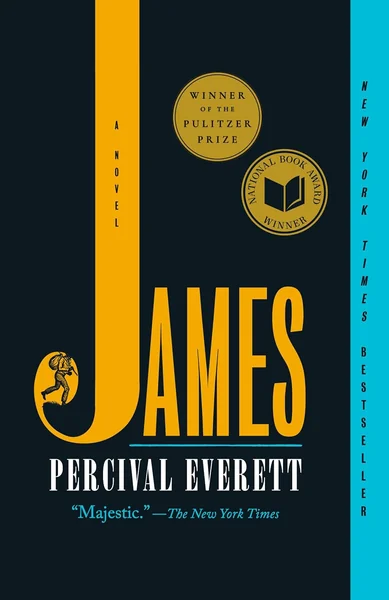
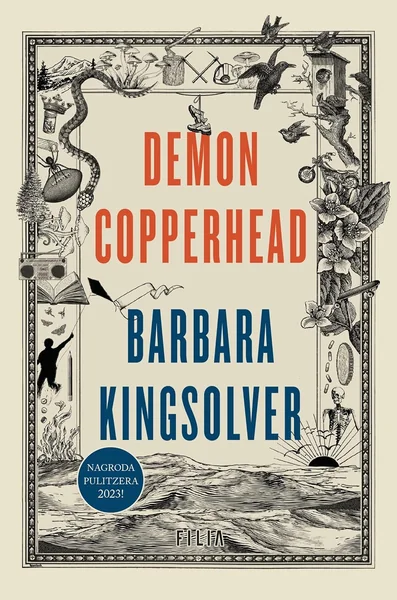
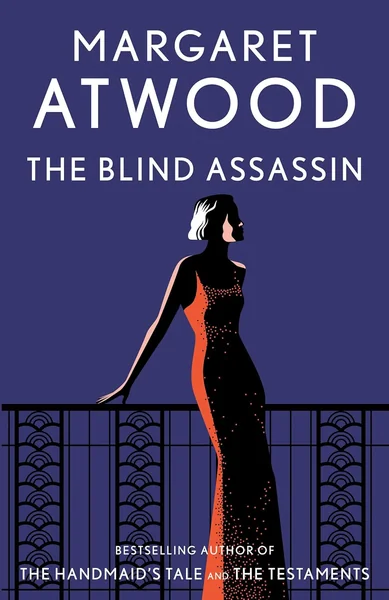
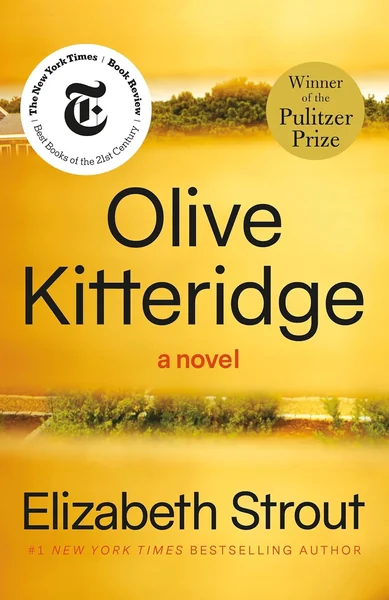
- Readers who respond to A Thousand Acres' combination of literary ambition, family drama, and a strong sense of place will find rich company in the curated selection below. Barbara Kingsolver's Demon Copperhead similarly reimagines a canonical literary source — David Copperfield — in a contemporary American setting, winning the Pulitzer Prize in 2023. Wallace Stegner's Angle of Repose is another Pulitzer-winning American literary novel that uses landscape and family history to excavate buried truths across generations. Margaret Atwood's The Blind Assassin shares Smiley's interest in women's interiority, secrets, and the weight of the past. Elizabeth Strout's Olive Kitteridge offers the same unflinching, morally complex portrait of a difficult family figure against a specific American locale.
- Who should read this?
- A Thousand Acres speaks most directly to readers interested in American literary fiction, feminist rereadings of canonical texts, family dynamics under pressure, and the relationship between landscape and identity. It is a natural fit for book clubs and university courses — it has remained on syllabi for over three decades — as well as for anyone curious about how a twentieth-century novel can engage seriously with Shakespeare while standing fully on its own terms. Readers who prefer propulsive plotting or morally clear resolutions may find it challenging.
- Tell me about the adaptation
- A Thousand Acres was adapted into a 1997 film of the same name, extending the novel's cultural reach beyond the page. The novel's story has also been reimagined as an opera. The film brought Smiley's Iowa farmland retelling of King Lear to a broader audience, though the novel itself — with its deep interiority and Ginny's first-person vantage point — offers dimensions of character and buried truth that a screen adaptation cannot fully replicate.
- What are the main themes?
- A Thousand Acres explores gender roles, appearances versus reality, and truth and pride — the Shakespearean architecture Smiley inherits and deliberately reframes. Central to the novel is the excavation of buried family secrets: critics noted Smiley's focus on 'the buried secret hurts within families and the deadly results when damaged egos are unleashed.' The relationship between landscape and identity — how the flat, fertile farmland of Iowa both sustains and traps its characters — is equally foundational, as is the novel's feminist insistence on giving voice and interiority to the daughters whom Shakespeare rendered largely as villains.
- Is it a good book club pick?
- A Thousand Acres is an excellent book club choice. Its deliberate moral ambiguity — refusing to confirm who is right or wrong in the Cook family's unravelling — generates the kind of sustained disagreement that makes for memorable discussion. The inversion of King Lear's sympathies gives groups with varying degrees of Shakespeare familiarity a shared critical question to debate, and the novel's decades-long presence on university syllabi means critical essays and reading guides are widely available to enrich the conversation.
Summarize this book
Follow up
Synthesized from verified book data & published reviews · How we review
Press Enter to ask. Answers come from our editorial Q&A — start typing to see related questions.
Age & Reading Level
Recommended age
Ages 16+
Reading level
Adult
3 content notes · who it suits
Content to know about
Best for: Adults / mature 16+ — the novel's excavation of incest, childhood sexual abuse, and domestic trauma within the Cook family requires a mature reader.
Skip if you want the moral clarity and cathartic resolution of classical tragedy — Smiley's ending is deliberately dark and unresolved.
Our Review
What the Novel Is and What It Contains
Awards, Acclaim, and Cultural Standing
Smiley's Structural and Thematic Ambition
Limitations and Who May Struggle With It
Who the Novel Is For and Why It Endures
Sources & Further Reading
The key facts and claims in this review are grounded in the retrieved, verified sources listed below.
- 1
en.wikipedia.org
- 2
kirkusreviews.com
- 3
bookthoughtsfrombed.com
- 4
- 5
Books like A Thousand Acres
Curated picks for readers who enjoyed A Thousand Acres, with our reasoning for each match.
If you liked A Thousand Acres