7 min read
4.0
· 3,650 Amazon ratings, as of Oct 2026Share This Review
Our review
Last Days
Last Days by Adam Nevill Review: Slow-Burn Docu-Horror Cult Chiller
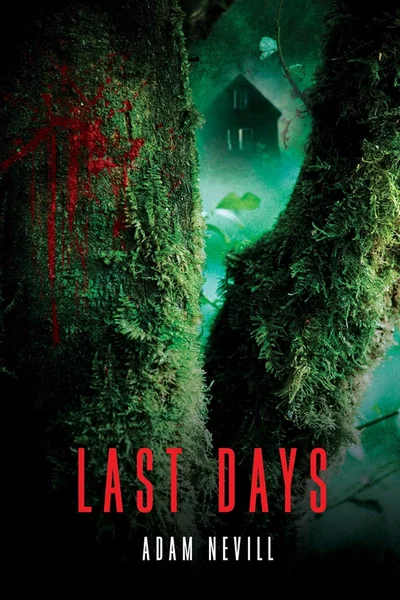
Adam Nevill's Last Days follows debt-ridden London documentary maker Kyle Freeman as he films the story of the Temple of the Last Days, a cult that ended in a 1975 Arizona massacre. Its award-winning dread draws on a centuries-old heresy, though the slow burn won't suit every reader.
LuvemBooks Verdict
Best for
Readers who like cult horror built on investigation and slow-accumulating unease, with a documentary-crew structure that moves through several haunted locations and layers a hippie-era commune over an older religious atrocity.
Worth it if
Worth reading if you enjoy found-footage-style dread, a secretive patron with a hidden past, and a historical twist that rewards patience through a long, multi-location story.
Skip if
Skip it if you want a short, fast scare, find the cult-investigator setup too familiar, or would rather avoid a long, bloody climax.
What readers & critics say
Kirkus Reviews calls it a sophisticated, literate and well-crafted paranormal horror, while LitStack describes a slow-burn supernatural novel full of atmospheric dread that channels found-footage terror; This Is Horror praises it as a gripping read from the first page, singling out the duplicitous Max Solomon as a key to its success.
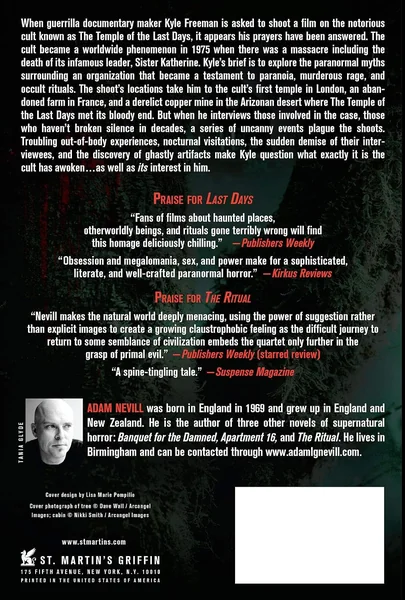
“Obsession and megalomania, sex and power make for a sophisticated, literate and well-crafted paranormal horror.”
— Kirkus ReviewsAsk LuvemBooks
Was this helpful?
- Is it worth reading?
- For readers who enjoy investigation-driven horror, yes. Its main strength is the layering of a hippie-era commune over a much older religious atrocity, which keeps a crowded subgenre from feeling stock. The caveats are real: reviewers disagree on pacing, since one describes a slow burn while another found it close to unputdownable at its peak, and the cult-investigator setup will feel familiar to genre regulars.
- Similar books
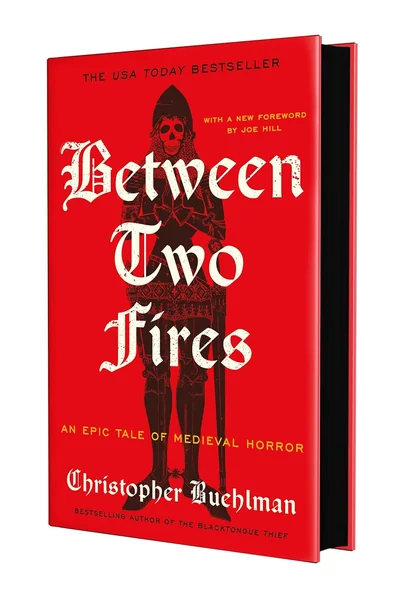
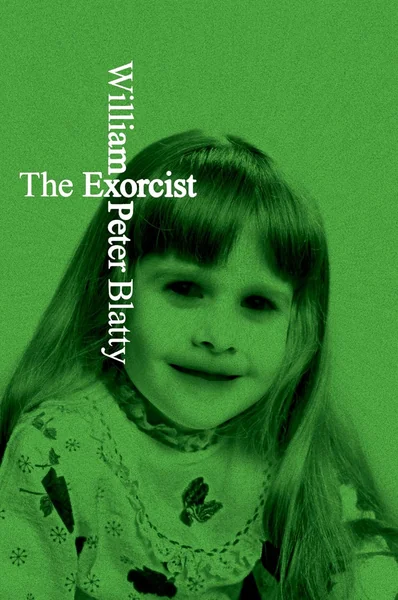
- Readers who like this blend of dread and history have several natural next reads. Gemma Files' Experimental Film also mixes film-making with an older, buried horror, while Christopher Buehlman's Between Two Fires shares the medieval religious menace. For possession and faith-driven fear, The Exorcist is the classic, and Nick Cutter's The Troop offers a harsher, grislier take on isolation and dread.
- Who should read this?
- It suits readers who prefer atmosphere and accumulating unease to splatter, and who enjoy found-footage-style stories with a secretive patron and a cursed paper trail. Horror fans who like their scares tied to history and religion will get the most from it. It is a poorer fit for anyone wanting a quick, self-contained scare.
- About Adam Nevill
- Adam Nevill, also known as Adam LG Nevill, is an English writer of supernatural horror. He is known for his book The Ritual.
- Tell me about the adaptation
- Film rights were first optioned in early 2014, according to Wikipedia. The same source reports that in August 2026 Apple TV gave a series order to Ascension, inspired by the novel, with Caitríona Balfe cast as a documentary filmmaker. Details of how closely it follows the book are not yet established.
- Are there content warnings?
- The main flag is the long, bloody climax at Sister Katherine's California home, which is more graphic than the book's earlier atmospheric dread. The story also deals with a cult massacre and a 16th-century religious atrocity involving the execution of heretics. Readers sensitive to cult violence and apparitions in the home may want to approach with care.
- What are the main themes?
- The book is concerned with how religious extremism repeats across centuries, linking a 1970s commune to a 16th-century Anabaptist heresy. It also explores the cost of ambition and money, through Kyle Freeman's debts and his willingness to take a commission without knowing the full story. Complicity, secrecy and the idea that places retain their violent history run through the haunted locations.
Summarize this book
Follow up
Synthesized from verified book data & published reviews · How we review
What would you like to know about Last Days?
Answers come from our editorial notes on this book. If we haven't covered something, we'll say so.
Readers often ask
Our Review
We review the evidence: published critics, reader verdicts and BookTube reviews, gathered and weighed with AI assistance and edited by LuvemBooks, rather than one reader's first-hand take.
A Cult, a Film Crew and a Paycheck
Where the Horror Comes From
Structure and Atmosphere
What the Critics Say
Who It Suits
Sources & Further Reading
The key facts and claims in this review are grounded in the retrieved, verified sources listed below.
- Cited in this review
- 1
en.wikipedia.org
- 2
kirkusreviews.com
- 3
fantasybookreview.co.uk
- Further reading
- 4
Adam Nevill, LuvemBooks
- 5
litstack.com
- 6
kendallreviews.com
- 7
thisishorror.co.uk
Age & Reading Level
Recommended age
Adult
4 content notes · who it suits
Content to know about
Best for: Adults — cult violence and a graphic, bloody finale
Skip if you want a short, fast scare or would rather avoid a long, bloody climax.
Reader reviews
Be one of the first readers to answer.
Read it? Was it right for you?
Books like Last Days
Curated picks for readers who enjoyed Last Days, with our reasoning for each match.
If you liked Last Days