7 min read
4.5
· 14,742 Amazon ratingsShare This Review
Our review
The Exorcist
The Exorcist by William Peter Blatty Review: A Landmark of American Horror Fiction
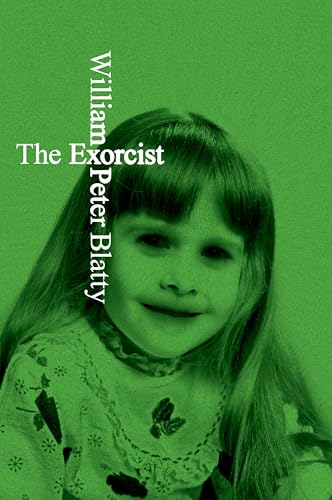
The Exorcist by William Peter Blatty charts the demonic possession of twelve-year-old Regan MacNeil and the desperate efforts of two Roman Catholic priests to save her. It spent fifty-seven weeks on the New York Times bestseller list and spawned one of cinema's most celebrated adaptations — a record that cements its place as the defining horror novel of its era.
LuvemBooks Verdict
Best for
Readers drawn to literary horror with genuine historical and theological weight — particularly those who want to understand the source text that defined possession fiction, and who are willing to sit with a slow-burn, faith-centred narrative before the horror fully erupts.
Worth it if
Worth reading if you want to experience the novel that effectively founded possession horror as a serious fictional form, and are prepared to engage with its deliberate pacing and its underlying questions about faith, doubt, and love.
Skip if
Skip it if you are sensitive to sustained, graphic depictions of a child's physical and psychological suffering, or if you are hoping for the immediate, film-paced frenzy of the 1973 adaptation rather than a slow, methodical first-half build.
What readers & critics say
Amazon.Critics quote it calling it "an unforgettable reading experience" that "will continue to shock and frighten a new generation of readers," while readingandthinking.com notes that beneath the horror framework some readers find the novel's true subject to be love — between Chris and Regan, between Karras and the child he tries to save — giving it more thematic weight than pure shock fiction.
“Nothing more terrifying — people pass out. But no one had explicitly forbidden the book.”
— NPRAsk LuvemBooks
Was this helpful?
- Is it worth reading?
- For readers with a serious interest in horror's literary tradition, The Exorcist remains essential reading — it is widely described as the best-selling serious horror novel in history, having sold more than 16 million copies worldwide. Critics called it 'an unforgettable reading experience' that 'will continue to shock and frighten a new generation of readers,' and the book carries more thematic weight than its shock-horror reputation suggests: beneath the possession narrative lies a sustained meditation on love — between Chris and Regan, between Karras and the child he tries to save. The key caveat is pacing: the novel's first half is methodical and deliberate, and the sustained, graphic depictions of Regan's suffering make it genuinely demanding reading that is not suited to every horror appetite.
- Similar books
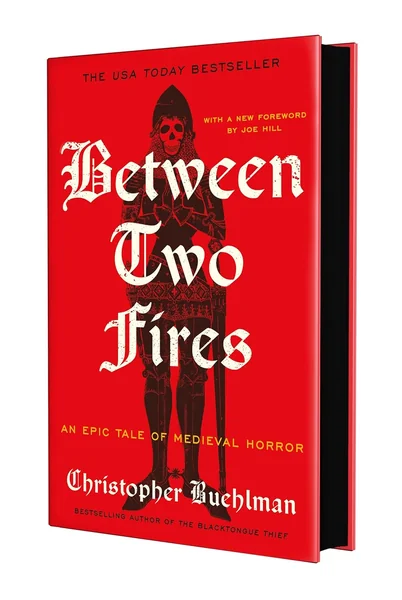
- Readers drawn to The Exorcist's intersection of religious dread and visceral horror will find strong companions in the curated selection below. Christopher Buehlman's Between Two Fires is a particularly close match — a medieval horror novel steeped in Catholic theology and demonic threat that shares The Exorcist's serious, literary approach to supernatural evil. Other titles on the list — including Legion and The Ninth Configuration, both by Blatty himself — extend the same thematic universe of faith, guilt, and the demonic. Rosemary's Baby by Ira Levin and A Head Full of Ghosts by Paul Tremblay similarly explore supernatural possession and religious horror with literary seriousness, while Come Closer by Sara Gran and My Best Friend's Exorcism by Grady Hendrix offer more contemporary takes on demonic possession narratives.
- Who should read this?
- The Exorcist is best suited to adult horror readers with an appetite for slow-burn, literary supernatural fiction rather than fast-paced thriller horror. It will particularly reward readers interested in the genre's history — this is the novel that effectively defined possession horror as a serious fictional form. Those who have seen William Friedkin's 1973 film and want to explore the source material in greater depth will find the novel expands significantly on Father Karras's crisis of faith and the procedural logic of the exorcism. Readers sensitive to graphic depictions of a child's physical and psychological suffering should approach with that expectation firmly set.
- About William Peter Blatty
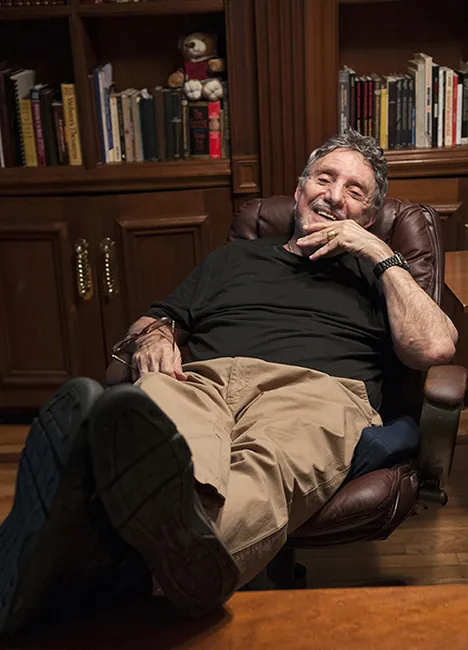
- William Peter Blatty was a Lebanese American writer, director, and producer.
- Tell me about the adaptation
- William Friedkin directed the 1973 film adaptation of The Exorcist, with Blatty himself writing the screenplay from his own novel. The film starred Ellen Burstyn as Chris MacNeil, Linda Blair as Regan, Max von Sydow as Father Merrin, and Jason Miller as Father Karras, and earned ten Academy Award nominations — including Best Picture, one of the very few horror films ever to receive that recognition. Blatty won the Academy Award for Best Adapted Screenplay, and the film is widely regarded as one of the most celebrated horror films ever made. Readers coming to the novel from the film will find the book expands considerably on Karras's crisis of faith and the procedural logic of the exorcism.
- Is this a good book club pick?
- The Exorcist offers richer discussion material than its horror-blockbuster reputation might suggest. Critics and readers have identified the novel's deeper subject as love — between Chris and Regan, between Father Karras and the child he tries to save — which gives book clubs a thematic foothold beyond the shock content. Father Karras's crisis of faith also provides a substantial thread for discussion around doubt, guilt, and sacrifice. Groups should go in with shared awareness that the depictions of Regan's suffering are graphic and sustained, as the content may not suit all members.
- Any content warnings?
- Yes — The Exorcist contains sustained, graphic depictions of a twelve-year-old girl's physical and psychological deterioration, including violent imagery that is explicitly intended to disturb. This is not incidental horror atmosphere but a central and prolonged feature of the novel. Readers who are sensitive to on-page suffering involving a child should approach with that expectation firmly in place. The novel is firmly adult reading material.
Summarize this book
Follow up
Synthesized from verified book data & published reviews · How we review
Press Enter to ask. Answers come from our editorial Q&A — start typing to see related questions.
Our Review
What the Novel Actually Is
Origins and Historical Weight
The 1973 Film and Its Legacy

The 40th Anniversary Edition
Who This Book Is For
Sources & Further Reading
The key facts and claims in this review are grounded in the retrieved, verified sources listed below.
- Cited in this review
- 1
- 2
readingandthinking.com
- 3
en.wikipedia.org
- Further reading
- 4
William Peter Blatty, Wikipedia
- 5
opinionsofawolf.com
- 6
rottentomatoes.com
- 7
georgelthomas.com
- 8
big-horror-guide.com
- 9
- 10
Age & Reading Level
Recommended age
Adult
Reading level
Adult
Tropes
From how readers and romance sites describe it, not our own reading.
4 content notes · who it suits
Content to know about
Best for: Adults — sustained graphic violence involving a twelve-year-old and deeply disturbing demonic imagery make this unsuitable for younger or sensitive readers.
Skip if You are sensitive to graphic, prolonged depictions of a child's suffering or want a fast-paced supernatural thriller.
Reader reviews
Be one of the first readers to answer.
Read it? Was it right for you?
Books like The Exorcist
Curated picks for readers who enjoyed The Exorcist, with our reasoning for each match.

More by William Peter Blatty

If you liked The Exorcist