Books That Shaped My Historical Perspective: 6 Essential Reads

6 books
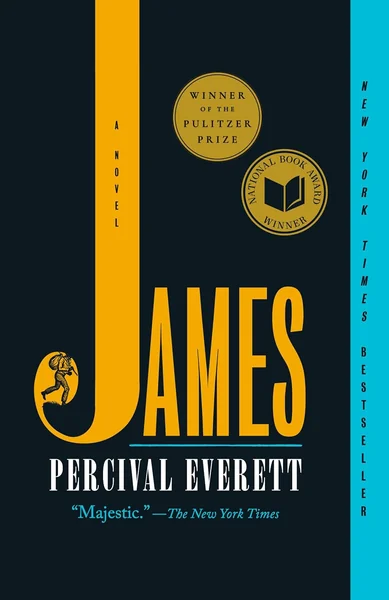
James A Novel (Hardcover) Book by Percival Everett
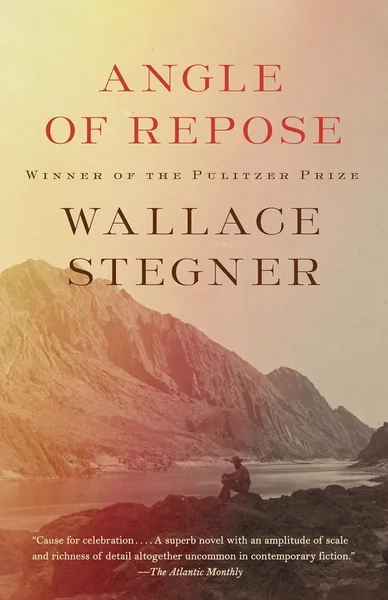
Angle of Repose (Pulitzer Prize Winner) by Wallace Stegner
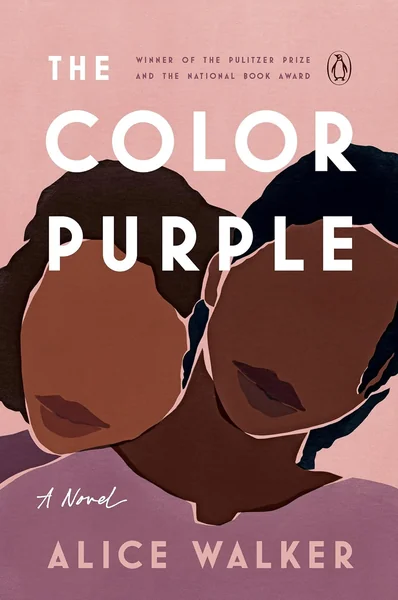
The Color Purple: A Novel by Alice Walker
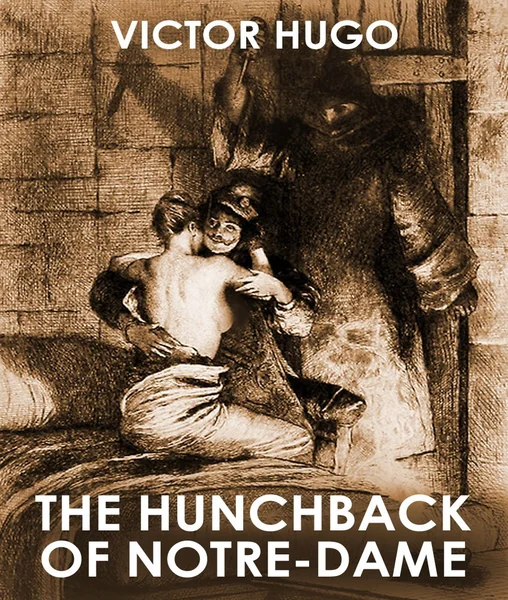
THE HUNCHBACK OF NOTRE DAME (illustrated, complete, and unabridged) by Victor Hugo
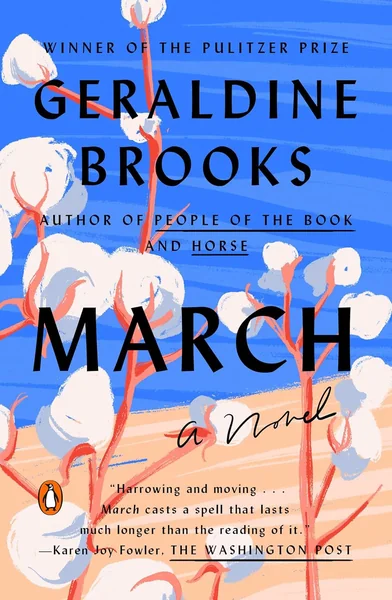
March: Pulitzer Prize Winner (A Novel) by Geraldine Brooks
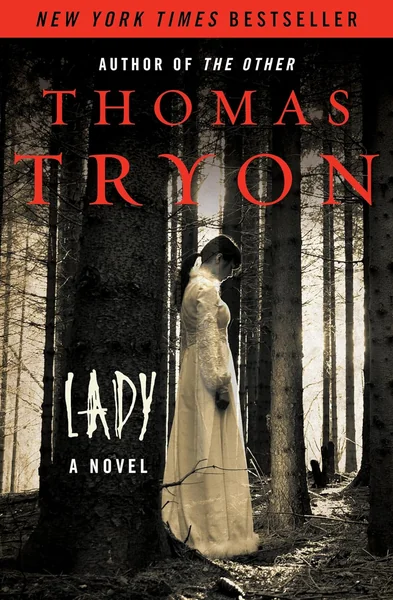
Lady: A Novel by Thomas Tryon
Historical Fiction

Books That Shaped My Historical Perspective: 6 Essential Reads

Curated recommendations for general readers

6 Books
3.0 Avg

Few reading experiences are as transformative as the moment a novel reshapes how you understand history. Not the dry recitation of dates and events, but the lived, breathing texture of lives shaped by forces larger than themselves — slavery, war, injustice, love, and survival. The books in this list have done exactly that for readers across generations.

Whether it's Percival Everett giving voice to the enslaved Jim in James, or Geraldine Brooks imagining the moral cost of the Civil War in March, historical fiction at its finest demands that we reckon honestly with the past. These six novels span continents and centuries, but they share a common power: each one has the capacity to permanently alter the lens through which a reader sees history — and humanity.

This list is curated for readers who want more than entertainment. These are books that linger.

Featured Books

James A Novel (Hardcover) Book by Percival Everett
Angle of Repose (Pulitzer Prize Winner) by Wallace Stegner
The Color Purple: A Novel by Alice Walker
THE HUNCHBACK OF NOTRE DAME (illustrated, complete, and unabridged) by Victor Hugo
March: Pulitzer Prize Winner (A Novel) by Geraldine Brooks
Lady: A Novel by Thomas Tryon
6
Books in Collection
3.0/5
Average Rating
Jun 6, 2026
Published
#1
James A Novel (Hardcover) Book by Percival Everett by Percival Everett - book cover
James A Novel (Hardcover) Book by Percival Everett

by Percival Everett

What would Huckleberry Finn look like if the person doing all the actual thinking finally got to narrate? That's the animating question behind Percival Everett's James, and the answer is quietly devastating. Everett reveals that Jim — here given his full name, James — has always been the more watchful, more intelligent, more endangered person on that raft. The novel's most piercing invention is its double language: enslaved people speak in exaggerated dialect around white people as a deliberate performance, masking their true eloquence. By exposing the performance behind the dialect, Everett indicts not just slavery but the literature that romanticized it. This is a novel about self-authorship, erasure, and what it costs a person to perform diminishment every single day. The same Mississippi fog and familiar riverbanks that carried adventure in Twain's version accumulate dread here. Readers who love Twain's original will find this a bracing, essential companion. Those who want a breezy historical romp may find Everett's more philosophical passages demand patience — but that patience pays off.
"Everett doesn't merely reassign Huck Finn's moral center to Jim; he dismantles the original's comfortable innocence."
Level: Advanced
#2
Angle of Repose (Pulitzer Prize Winner) by Wallace Stegner by Wallace Stegner - book cover
Angle of Repose (Pulitzer Prize Winner) by Wallace Stegner

by Wallace Stegner

4.4/5

Wallace Stegner's Pulitzer-winning Angle of Repose is the kind of novel that earns its reputation quietly, through accumulation rather than flash. The setup sounds almost academic: a wheelchair-bound historian named Lyman Ward retreats to his grandmother's California home to reconstruct her life from letters and sketches. But what unfolds is one of the richest portraits of marriage in American fiction. Susan Burling Ward was a cultured Eastern woman who followed her mining engineer husband through a succession of rough frontier camps — Idaho, Colorado, California — watching ambitions curdle and tenderness erode under the pressure of hardship. Stegner makes the 19th-century West feel genuinely dangerous and specific, not romantic, while Lyman's present-day grief about his own failed marriage creates a second emotional current running underneath. The two timelines speak to each other in ways that build slowly but land hard by the final third. Fair warning: this is a long, demanding book, and Stegner's sympathies occasionally sit more comfortably with Lyman than some readers will. There is also a documented controversy about Stegner's unattributed use of real historical letters from writer Mary Hallock Foote — worth knowing before you read. None of that undoes what this novel achieves, but it's part of the honest picture.
"One of the rare American classics that earns its Pulitzer through specifics rather than reputation."
Level: Advanced
#3
The Color Purple: A Novel by Alice Walker by Alice Walker - book cover
The Color Purple: A Novel by Alice Walker

by Alice Walker

4.6/5

The Color Purple by Alice Walker is one of those novels most people feel they already know — the movie, the musical, the reputation. The book itself still surprises. Walker's epistolary structure does something no adaptation fully captures: Celie's written voice evolves on the page as she does, moving from phonetic, halting sentences toward fluency and authority. Her transformation isn't described; you watch it happen in real time through the letters themselves. Set in 1930s rural Georgia among sharecropper communities, this is a story about resilience, sisterhood, and survival that refuses to soften its material. It's not an easy read — the early sections depict abuse with unflinching honesty — but the payoff is a portrait of earned joy that feels genuinely hard-won. Readers who prefer tidy emotional arcs or more restrained subject matter may struggle with Walker's directness. Everyone else will find it lingers long after the final page.
"A rare novel that earns its reputation through specifics — Walker's formal choices and Celie's earned transformation make this one of the most powerful works in American literature."
Level: Intermediate–Advanced
#4
THE HUNCHBACK OF NOTRE DAME (illustrated, complete, and unabridged) by Victor Hugo by Victor Hugo - book cover
THE HUNCHBACK OF NOTRE DAME (illustrated, complete, and unabridged) by Victor Hugo

by Victor Hugo

4.4/5

Forget everything the Disney version taught you. Victor Hugo's original is darker, denser, and far more devastating than any adaptation has dared to be — a portrait of fifteenth-century Paris where beauty and cruelty operate as twin forces, and where the cathedral itself feels like the novel's true protagonist. Hugo apparently wrote this partly to shame his contemporaries into preserving Notre-Dame before modernization swallowed it whole. That urgency still pulses through the pages. Readers should know upfront: this is not a light read. Hugo digresses — lavishly, deliberately — into architectural history, social observation, and philosophical asides. Those digressions are part of the experience, not interruptions to it. Fans of Les Misérables will feel immediately at home with his scale and ambition. Those expecting plot momentum above all else may find the pacing tests their patience. Come with commitment, and Hugo repays it fully.
"The rare classic that earns its reputation through specifics, not status."
Level: Advanced
#5
March: Pulitzer Prize Winner (A Novel) by Geraldine Brooks by Geraldine Brooks - book cover
March: Pulitzer Prize Winner (A Novel) by Geraldine Brooks

by Geraldine Brooks

4.4/5

March by Geraldine Brooks pulls off something genuinely difficult: it takes a character most readers barely noticed — the absent father from Little Women — and makes him the most morally complicated person in the room. This is not a companion novel for fans seeking warm nostalgia; it's a reckoning. Brooks sends Mr. March to serve as a Union Army chaplain in Civil War Virginia, where the gap between his abolitionist ideals and his actual history with enslaved people becomes impossible to ignore. He is not a villain, which is exactly what makes him uncomfortable — he is the well-meaning man who caused harm anyway, and who has to live inside that knowledge amid the war's carnage. Brooks writes with clean precision, balancing historical texture with psychological depth. The novel's second half loses a little of the careful tension built early on, and the pacing is deliberate enough that readers looking for propulsive storytelling may struggle. But for those drawn to literary historical fiction that takes moral questions seriously, this Pulitzer winner earns every page.
"A morally serious companion novel that earns its Pulitzer by refusing every comfort the source material might have offered."
Level: Advanced
#6
Lady: A Novel by Thomas Tryon by Thomas Tryon - book cover
Lady: A Novel by Thomas Tryon

by Thomas Tryon

Some novels work through plot; Lady by Thomas Tryon works through atmosphere — the slow, suffocating kind that settles over a small Connecticut town like fog that never quite burns off. Lady Harleigh is one of fiction's great enigmas: wealthy, beautiful, seemingly kind, and filtered entirely through the childhood memories of a boy who adored her without fully understanding her. As the narrator grows, so does his unease, and Tryon is patient enough to let that unease ripen slowly rather than forcing it into conventional thriller territory. The Depression-era New England setting — a town where conversations stop when outsiders approach and the Harleigh mansion looms over everything — does half the work on its own. Tryon's background as an actor shows in his feel for performance and concealment; secrets here are kept through gesture and omission as much as outright deception. This is literary gothic rather than horror, so readers seeking scares will be disappointed. But those who love psychological complexity and a strong sense of place will find it lingers long after the final page.
"A rare piece of American gothic that earns its obscurity-defying reputation through psychological precision rather than genre convention."
Level: Intermediate / Advanced
Final Thoughts

The best historical fiction doesn't just transport you to another era — it changes the way you think about the present. Each of the six novels on this list has earned its place through literary craft, moral seriousness, and an unflinching willingness to illuminate what history often obscures.

If you're looking for books that have genuinely shaped readers' historical perspectives, start anywhere on this list. Whether you begin with the urgent reimagining of James, the gothic atmosphere of Lady, or the sweeping tragedy of The Hunchback of Notre Dame, you'll find yourself reading history differently — and that may be the most valuable thing a novel can do.

Frequently Asked Questions

The most perspective-shifting historical fiction goes beyond period setting — it centers voices and experiences that traditional history overlooks. Books like James by Percival Everett and The Color Purple by Alice Walker force readers to confront familiar eras through radically different eyes, fundamentally altering how you understand those moments in history.
Several draw directly from historical record. March by Geraldine Brooks reimagines the Civil War through the absent father of Little Women, grounding its narrative in genuine wartime moral crisis. The Hunchback of Notre Dame by Victor Hugo is deeply embedded in medieval Parisian history and architecture, offering a portrait of 15th-century France that shaped how generations understood that period.
March by Geraldine Brooks is an excellent entry point — it's relatively accessible in length and structure while still delivering the moral complexity and historical depth that defines the best of the genre. Readers already familiar with Little Women will find an added layer of resonance.
The Hunchback of Notre Dame by Victor Hugo in its complete, unabridged form is likely the most demanding in terms of length and density, with Hugo's famous architectural and historical digressions requiring patience. Angle of Repose by Wallace Stegner is also a substantial, layered novel that rewards slow, attentive reading.
Yes — several are essential works of American historical fiction. James reimagines antebellum slavery through a new lens on Huckleberry Finn. The Color Purple explores the American South in the early 20th century. Angle of Repose traces the settling of the American West, and March is set during the Civil War. Together they offer a remarkable, if incomplete, portrait of American history's defining tensions.
Most of these titles are best suited to mature or adult readers. The Color Purple deals explicitly with sexual violence and trauma, and James confronts the brutality of slavery with unflinching honesty. March and Angle of Repose explore complex adult relationships and moral ambiguity. High school readers with strong literary foundations may engage meaningfully with March or Lady, but parental guidance is recommended for the others.
Books That Shaped My Historical Perspective: 6 Essential Reads | LuvemBooks