8 min read
4.5
· 20,321 Amazon ratings, as of Oct 2026Share This Review
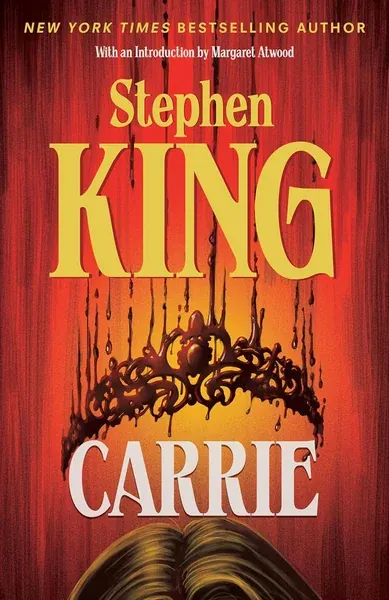
Carrie is Stephen King's debut horror novel, following Carrie White — a telekinetic, religiously abused teenager in Chamberlain, Maine — whose humiliation at prom night unleashes catastrophic revenge. The novel received generally positive reviews on publication and is credited with reviving mainstream interest in horror fiction, launching one of literature's most enduring careers.
LuvemBooks Verdict
Best for
Readers drawn to horror that doubles as social commentary — particularly those interested in adolescent cruelty, religious fanaticism, and gender dynamics — who want a short, structurally inventive novel that rewards literary attention as much as it delivers dread.
Worth it if
Worth reading if you can engage with a narrative that front-loads sustained humiliation before the catharsis, and are curious about the formally adventurous documentary structure — fictional testimonies, academic excerpts, and news reports — that sets it apart from conventional horror.
Skip if
Skip it if you find prolonged depictions of bullying and abuse difficult to sit with, or if interpolated documents breaking up the narrative momentum would frustrate rather than intrigue you.
Where reviewers agree and split
Readers rate it 4.5 on Amazon. The reviews we read that discuss it in depth split on some points:
Of the 2 reviews we read that discuss its emotional impact, 1 calls it heartbreaking and frightening, but 1 finds the sustained cruelty hard to sit with.
Emotional impact
1 calls it heartbreaking and frightening · 1 finds the sustained cruelty hard to sit with
Who says what
Emotional impact
“King's description of the perfect, shining moment in Carrie's life is heartbreaking, because the reader knows things are about to go terribly wrong.”
— Kelly Matlock Blog · Book blog“So good, yet so painful to read, because of how much empathy I feel for the characters involved, that I sort of avoid them.”
— Meg's Book Rack · Book blogWhat readers & critics say
Kirkus Reviews praised King's debut for handling the material "with considerable accomplishment and very little hokum," and Arkansas Online calls it "one of his strangest and most formally adventurous" novels; Audible's editorial coverage notes the book "received generally positive reviews, with critics praising King's debut and the terrifying plot."
“King handles his first novel with considerable accomplishment and very little hokum”
— Kirkus ReviewsAsk LuvemBooks
Was this helpful?
- Is it worth reading?
- For readers drawn to horror that operates as social commentary, Carrie delivers — its thematic engagement with gender, religious fanaticism, and adolescent cruelty is serious and sustained, and its documentary structure (fictional testimonies, academic excerpts, news reports) gives it a formally adventurous texture rare for a debut novel. Reviewer responses to its emotional impact are genuinely split: one finds it heartbreaking and frightening, while another describes the sustained cruelty as painful enough to avoid returning to. The novel's key caveat is structural: it front-loads distress before catharsis, so readers who struggle with prolonged depictions of bullying and abuse may find the journey difficult even if the payoff is earned.
- Similar books
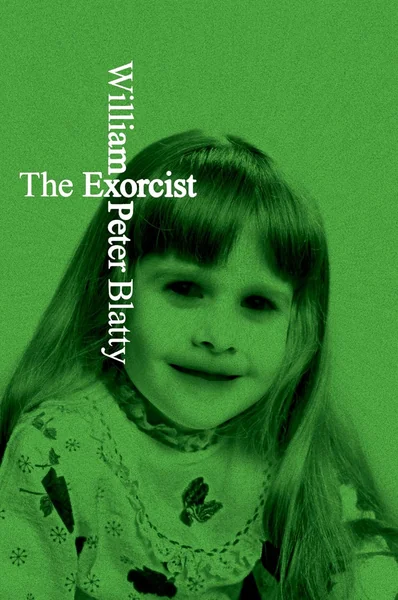
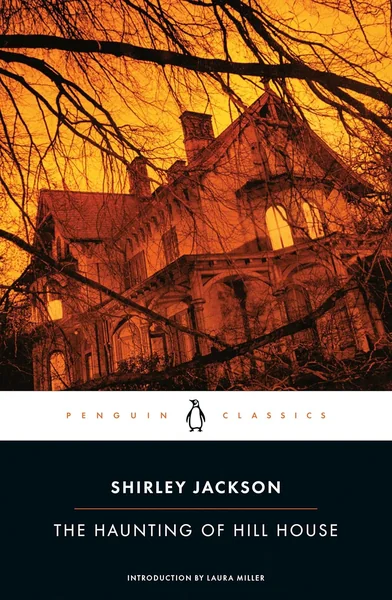
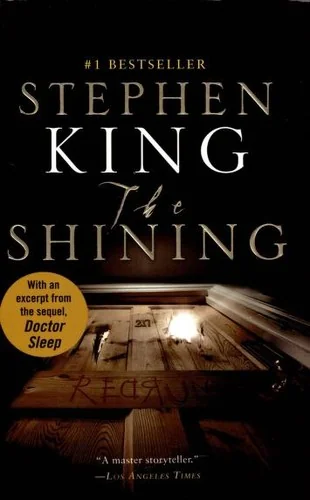
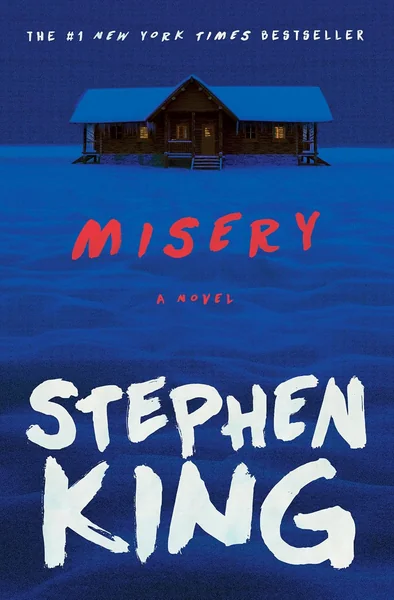
- Readers who respond to Carrie's blend of psychological dread and social commentary will find natural next reads in King's own bibliography: The Shining trades adolescent cruelty for domestic horror and isolation, while Misery strips the supernatural away entirely in favour of claustrophobic psychological terror. For classic horror with literary ambition, Shirley Jackson's The Haunting of Hill House is the standard-bearer — quiet, unsettling, and deeply character-driven. William Peter Blatty's The Exorcist shares Carrie's focus on a young woman as the locus of supernatural horror and its roots in a specific cultural and religious milieu. For contemporary horror with a strong social conscience, Tananarive Due's The Reformatory and Josh Malerman's Incidents Around the House are both featured below.
- Who should read this?
- Carrie is aimed squarely at adult readers drawn to horror that doubles as social commentary — particularly those with an interest in the dynamics of power and gender, religious fanaticism, and the specific cruelties of adolescent social hierarchies. Readers who appreciate formally adventurous fiction will find the documentary structure — fictional testimonies, academic excerpts, news reports — rewarding rather than disruptive. It is less suited to readers who want straightforward supernatural horror pacing or who find prolonged depictions of bullying and abuse difficult to sit with.
- About Stephen King
- Stephen Edwin King is an American author.
- Tell me about the adaptation
- The most notable adaptation of Carrie is Brian De Palma's 1976 film, which played a significant role in driving sales of the paperback edition — King's debut became a mainstream cultural phenomenon in part through that film's reach. The novel has also inspired a 1988 musical and continued reissues tied to its adaptation history. Prospective readers should note that the review excerpt's adaptation details reflect the book's historical record; for current release dates or streaming availability, checking a dedicated entertainment source is recommended.
- How did King come to write this?
- King originally conceived Carrie as a short story for the men's magazine Cavalier, prompted by a friend who encouraged him to write from a female perspective — he abandoned it, convinced it would never succeed, and threw the first three pages away. It was his wife, Tabitha King, who retrieved those discarded pages from the trash and persuaded him to continue. King based the character of Carrie on two girls he knew in high school; after Doubleday accepted the manuscript, he worked with editor Bill Thompson to revise it into the novel published on April 5, 1974.
- What does Margaret Atwood contribute to this edition?
- Margaret Atwood is named as a contributor to the current edition of Carrie, but the verified facts do not specify the nature or length of her contribution — whether an introduction, foreword, or essay. Prospective buyers uncertain about what they are getting beyond the core novel should check the edition's front matter for details before purchasing.
Summarize this book
Follow up
Synthesized from verified book data & published reviews · How we review
What would you like to know about Carrie?
Answers come from our editorial notes on this book. If we haven't covered something, we'll say so.
Readers often ask
Our Review
What the Novel Is and What Happens
Origins and the Story Behind the Story
Significance and Cultural Reach
Strengths: Theme, Structure, and Perspective
Limitations and Who May Struggle
Sources & Further Reading
The key facts and claims in this review are grounded in the retrieved, verified sources listed below.
- Cited in this review
- 1
steve-calvert.co.uk
- 2
en.wikipedia.org
- 3
firstamendmentmuseum.org
- Further reading
- 4
Stephen King, LuvemBooks
- 5
stephenking.com
- 6
- 7
- 8
- 9
- 10
thelitbitch.com
- 11
- 12
kellymatlockblog.substack.com
- 13
megsbookrack.com
- 14
Age & Reading Level
Recommended age
Ages 16+
Reading level
Older teens & adults
4 content notes · who it suits
Content to know about
Best for: Adults / mature 16+ — sustained graphic violence, religious abuse, and prolonged bullying content throughout.
Skip if you find prolonged depictions of bullying and abuse difficult to sit with, or if interpolated documents breaking up narrative momentum would frustrate rather than intrigue you.
Reader reviews
Be one of the first readers to answer.
Read it? Was it right for you?
Books like Carrie
Curated picks for readers who enjoyed Carrie, with our reasoning for each match.
More by Stephen King
If you liked Carrie