8 min read
4.1
· 182 Amazon ratingsShare This Review
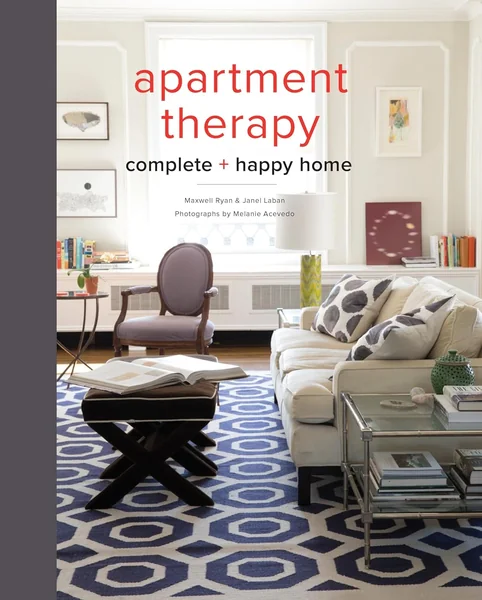
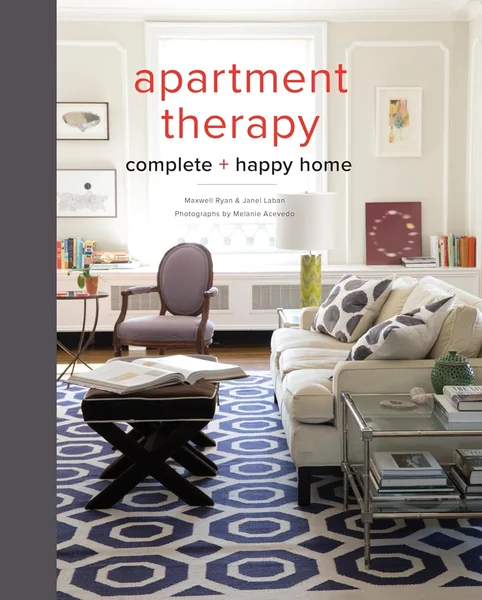
Apartment Therapy Complete and Happy Home by Maxwell Ryan & Janel Laban Review: A New York Times Bestselling Home Design Bible
Apartment Therapy Complete and Happy Home is a New York Times bestseller and the most comprehensive home design guide from the Apartment Therapy brand, covering everything from floor plans and paint to room-by-room organizing — written for anyone who wants to set up and live well in a space they love.
LuvemBooks Verdict
Best for
Renters, first-time buyers, and established homeowners who want a single, well-organised volume that walks them through the full arc of home design — from assessing their space and personal style to decorating specific rooms and maintaining them year-round.
Worth it if
You want one comprehensive, visually rich reference that covers the entire scope of home design thinking — self-assessment, room inspiration, and practical upkeep — rather than going deep on any single discipline.
Skip if
Skip it if you're already deeply versed in Apartment Therapy's online content and are looking for advanced technical instruction — the book's deliberately broad, introductory scope will feel too general for specialist needs.
What readers & critics say
The book carries a New York Times bestseller designation, confirming its wide reach beyond core design audiences, as noted by multiple retail listings. Waterstones positions it as a twenty-first-century successor to Terence Conran's Essential House books, framing it as a complete home guide for setting up, decorating, and caring for a home across all life stages.
Sources: Waterstones, Barnes & NobleAsk LuvemBooks
Was this helpful?
- Is it worth reading?
- For readers who want one book that addresses the whole picture of making a home work — from floor plans and paint to seasonal maintenance — Apartment Therapy Complete and Happy Home delivers on that promise in structured, visually supported form. Emily Henderson called it 'useful, pretty and full of information... easy enough to pick up and read 5 minutes at a time,' which points to its rare dual-use appeal as both a practical reference and a coffee-table object. The key caveat is that its generalist scope means no single topic receives deep technical treatment, so specialists or advanced renovators may find it insufficient on its own.
- Similar books
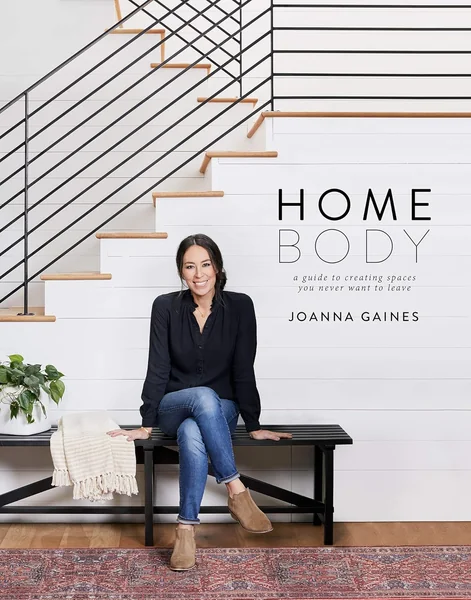
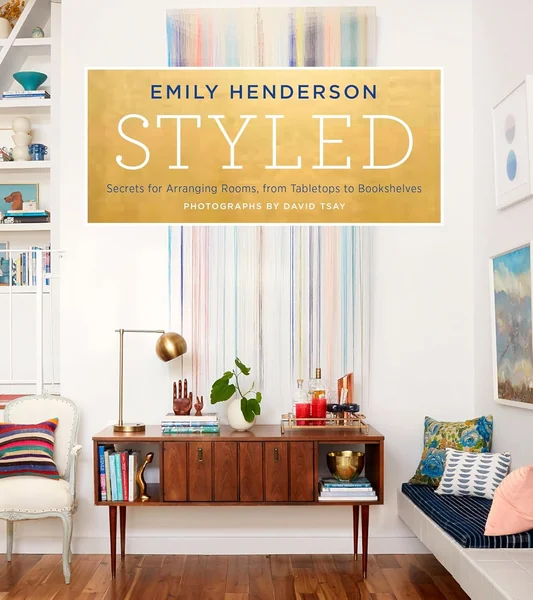
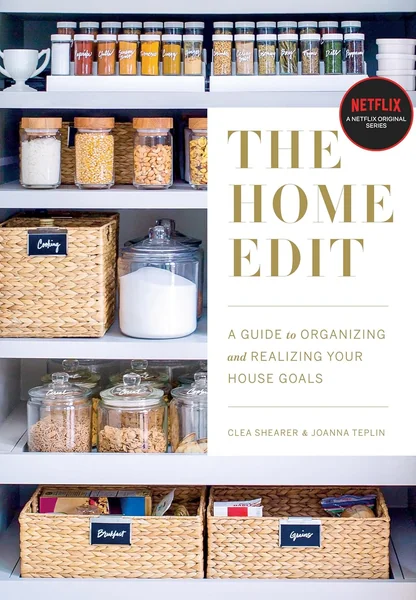
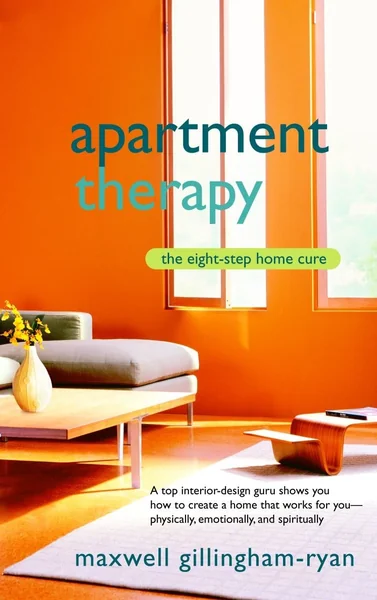
- Readers who enjoy Apartment Therapy Complete and Happy Home will find natural companions across the home design shelf. Maxwell Ryan's earlier Apartment Therapy: The Eight-Step Home Cure offers the same brand's focused eight-step framework for those who want a more methodical approach. Joanna Gaines's Homebody: A Guide to Creating Spaces You Never Want to Leave covers similar warm, livable design territory with a distinct personal voice. Emily Henderson — who endorsed Complete and Happy Home — authored Styled: Secrets for Arranging Rooms, from Tabletops to Bookshelves, which goes deeper on the art of arrangement and vignette styling. For readers drawn to the organizing dimension, The Home Edit: A Guide to Organizing by Clea Shearer and Joanna Teplin is a natural follow-on, and Myquillyn Smith's The Nesting Place shares the book's accessible, imperfection-friendly ethos.
- Who should read this?
- Apartment Therapy Complete and Happy Home is explicitly designed for a wide range — renters, first-time buyers, and longtime homeowners alike. Detroit Home described it as a resource for both seasoned homeowners looking to freshen up a space and first-time homeowners hoping to elevate their living environment, and the three-part architecture supports non-linear entry so readers can start wherever they are in the process. It is least suited to readers who need deep technical instruction in a single discipline — advanced renovators, architectural drafters, or professional-grade stagers will find its generalist scope limiting.
- Where should I start with Maxwell Ryan?
- For readers new to Maxwell Ryan's work, Apartment Therapy Complete and Happy Home is the publisher's own recommendation as the 'newest and most comprehensive' volume from the brand — making it the natural starting point if a broad, all-in-one reference is the goal. Readers who prefer a more focused, step-by-step intervention for a specific home reset may want to begin with Ryan's earlier Apartment Therapy: The Eight-Step Home Cure, which applies the brand's philosophy through a structured eight-step framework.
- What are the main themes?
- The book's central theme is the idea that a home should work for the people who live in it — not as aspirational fantasy, but as a practical, maintained space that reflects real life. This grounds three recurring threads: self-knowledge (understanding your own style and needs before decorating), visual literacy (training the eye through well-styled real rooms), and sustainable upkeep (cleaning, repairing, and organizing to maintain a happy home year-round). Maxwell Ryan's background as a former teacher — described as 'one part interior designer, one part life coach' — shapes the book's approachable, instructional tone.
- Is this a good book club pick?
- Apartment Therapy Complete and Happy Home is less a traditional book-club discussion book and more a shared reference that a group might work through together practically — comparing how the self-assessment exercises apply to their own spaces, or discussing favorites from the 75 well-styled rooms. Its visual richness and non-linear structure make it more browsable than argumentative, which suits informal design-focused groups better than literary discussion circles.
Summarize this book
Follow up
Synthesized from verified book data & published reviews · How we review
Press Enter to ask. Answers come from our editorial Q&A — start typing to see related questions.
Age & Reading Level
Recommended age
Adult
Reading level
Adult
Skip if you're looking for deep technical instruction on a single area of home design — advanced renovation, architectural drafting, or professional-grade staging.
Our Review
What the Book Actually Is and What It Covers
The Authors and the Brand Behind It
Its Strengths: Scope, Accessibility, and Visual Appeal
Reception and Significance in the Genre
Who It's For and Where It Has Limits
Sources & Further Reading
The key facts and claims in this review are grounded in the retrieved, verified sources listed below.
- Cited in this review
- 1
- 2
- 3
- Further reading
- 4
- 5
- 6
Books like Apartment Therapy Complete and Happy Home
Curated picks for readers who enjoyed Apartment Therapy Complete and Happy Home, with our reasoning for each match.
If you liked Apartment Therapy Complete and Happy Home