8 min read
4.3
· 179 Amazon ratingsShare This Review
Apartment Therapy: The Eight-Step Home Cure by Maxwell Ryan Review: A Practical, Enthusiastic Guide for Renters
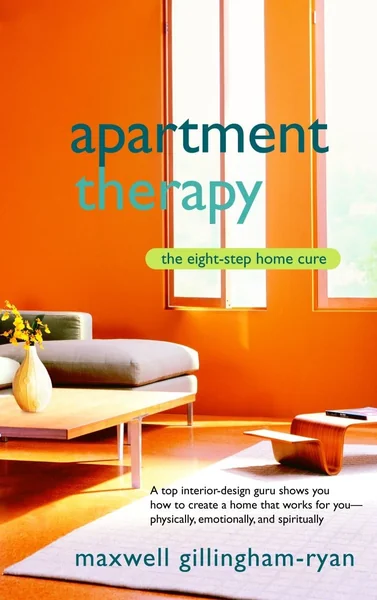
Apartment Therapy: The Eight-Step Home Cure is a nonfiction home-improvement guide by Maxwell Gillingham-Ryan, published by Bantam Books in 2006, built around a week-by-week program for transforming urban apartments on a real-world budget. Publishers Weekly praised the author's "ebullient" can-do attitude, and endorsers including designer Jonathan Adler and Budget Living Magazine* Editor-in-Chief Angela Matusik highlighted its approachability and budget-consciousness. The guide is best suited to renters and first-time apartment dwellers who need a concrete starting framework; those seeking advanced design theory or a visually oriented showcase will want to look elsewhere.
LuvemBooks Verdict
Best for
Urban renters and first-time apartment dwellers who need a structured, budget-conscious starting point for transforming a cramped or cluttered space without a designer's budget or prior decorating experience.
Worth it if
You want a clear, week-by-week action plan — covering everything from decluttering and paint to lighting and entertaining — delivered in an unflaggingly enthusiastic voice that makes an overwhelming project feel genuinely approachable.
Skip if
Skip it if you're already well-versed in home organization methodology, want a visually driven design portfolio, or have little patience for a therapeutic vocabulary (bones, breath, heart, head) that Publishers Weekly flagged as occasionally tipping into psycho-babble.
What readers & critics say
Publishers Weekly called Gillingham-Ryan "unflaggingly enthusiastic" and praised the practical utility of his advice on budgeting, decluttering, and lighting, while noting that his framework occasionally veers into "psycho-babble" and that his ideas don't break new decorating ground — though his can-do attitude is well suited to readers intimidated by where to begin. The Barnes & Noble page surfaces the single-word verdict from Publishers Weekly — "Ebullient!" — alongside Jonathan Adler's endorsement calling it "a must-read for creating your perfect nest."
“The unflaggingly enthusiastic author… despite forays into psycho-babble, his advice proves practical.”
— Publishers Weekly“Even the dreariest, no-view walk-up can be transformed into a cozy urban oasis using his eight-step home cure. Ebullient!”
— Publishers WeeklyAsk LuvemBooks
Was this helpful?
- Is it worth reading?
- For urban renters and first-time apartment dwellers who feel overwhelmed about where to begin, the book delivers genuine value: a clear, structured sequence that replaces vague decorating advice with an actionable week-by-week program. Designer Jonathan Adler called it 'a must-read for creating your perfect nest,' and Angela Matusik of Budget Living Magazine praised it as 'like hiring a pro (without the attitude or expense).' Publishers Weekly acknowledged the ideas may not break new decorating ground, but concluded the can-do attitude squarely serves readers who are interested in a home overhaul but intimidated by the starting point. Readers already comfortable with home organization methodology, however, may find the earlier steps cover familiar terrain.
- Similar books
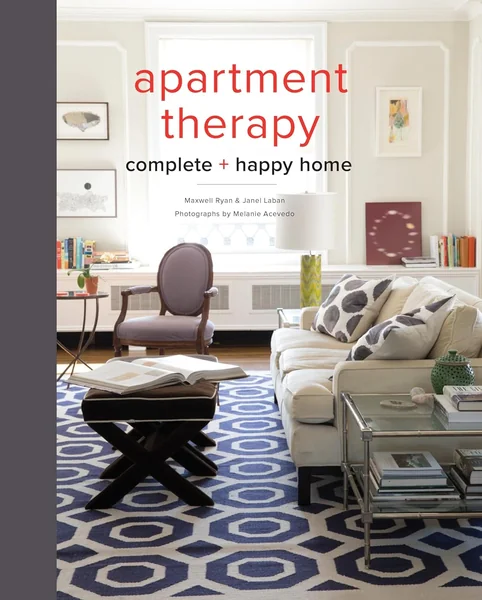
- Readers drawn to Apartment Therapy: The Eight-Step Home Cure will find a natural companion in Apartment Therapy Complete and Happy Home by Maxwell Ryan and Janel Laban, which expands Gillingham-Ryan's philosophy into a fuller visual and practical reference. For those focused on compact living, Small Space Style: Because You Don't Need to Live Large by Whitney Leigh Morris addresses the same urban-renter constraints from a highly visual angle. Emily Henderson and Angelin Borsics' Styled: Secrets for Arranging Rooms, from Tabletops to Bookshelves suits readers ready to move from foundation-fixing into deliberate styling decisions. Myquillyn Smith's The Nesting Place: It Doesn't Have to Be Perfect to Be Beautiful shares the approachable, imperfection-friendly ethos, while The Home Edit: A Guide to Organizing by Clea Shearer and Joanna Teplin is the go-to resource for readers whose priority is the de-cluttering and organization steps of the cure.
- Who should read this?
- The book is most squarely aimed at urban renters and first-time apartment dwellers who need a concrete, structured starting point for a home overhaul but feel intimidated by where to begin. Its budget-conscious approach speaks directly to people working within real-world financial constraints rather than homeowners with renovation funds. Readers who want an instructional program they can work through week by week — or selectively consult for a specific pain point like clutter, lighting, or paint — will get the most from it. Those seeking advanced design theory, original decorating ideas, or a visually rich coffee-table showcase should look elsewhere.
- About Maxwell Ryan
- Maxwell Gillingham-Ryan is the founder and visionary behind Apartment Therapy, and has revolutionized how people think about their living spaces.
- How does this compare to Apartment Therapy Complete and Happy Home?
- Apartment Therapy: The Eight-Step Home Cure is a focused, program-driven guide built around a single eight-week cure, designed to walk readers step by step through diagnosing and transforming their space. Apartment Therapy Complete and Happy Home, co-authored with Janel Laban, expands the Apartment Therapy universe into a broader, more comprehensive reference. Readers who want a tight, sequential program will find the Eight-Step Home Cure the more structured choice, while those who want a fuller resource to dip in and out of may prefer the Complete and Happy Home volume.
- What are the main themes?
- The central theme is that any apartment — even the dreariest no-view walk-up — can become a cozy urban oasis when approached deliberately and from the inside out. Gillingham-Ryan organizes this idea around four diagnostic concepts: bones, breath, heart, and head, which help readers identify what is actually wrong with a space before reaching for practical solutions. Budget-consciousness runs throughout as a foundational value, and the book also treats the finished home as a social space — closing with party recipes and a celebratory ethos that reflects the author's conviction that a transformed home deserves to be shared.
Summarize this book
Follow up
Synthesized from verified book data & published reviews · How we review
Press Enter to ask. Answers come from our editorial Q&A — start typing to see related questions.
Age & Reading Level
Recommended age
Adult
Reading level
Adult
who it suits
Skip if you're looking for a visually driven design showcase or advanced decorating theory rather than a structured instructional program.
Our Review
What the Book Actually Is and Does
The Eight-Step Framework in Practice
Reception and Significance
Strengths: Tone, Accessibility, and Scope
Limitations and Who May Be Frustrated
Sources & Further Reading
The key facts and claims in this review are grounded in the retrieved, verified sources listed below.
- Cited in this review
- 1
- 2
- 3
publishersweekly.com
- Further reading
- 4
- 5
- 6
penguinrandomhouse.com
Books like Apartment Therapy
Curated picks for readers who enjoyed Apartment Therapy, with our reasoning for each match.
If you liked Apartment Therapy