8 min read
4.7
· 14,698 Amazon ratingsShare This Review
The Home Edit: A Guide to Organizing by Clea Shearer & Joanna Teplin Review: A Celebrity-Approved, Room-by-Room Organizing System
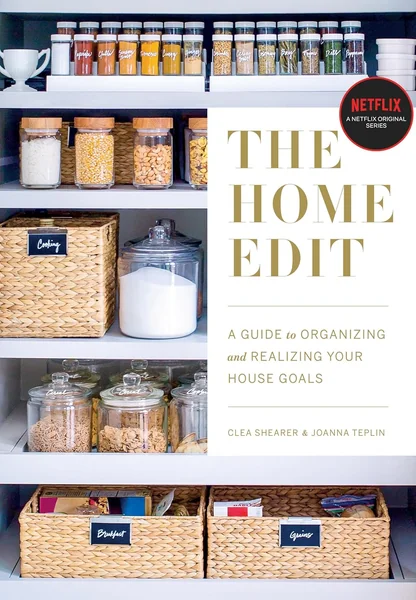
Published by Clarkson Potter in March 2019, The Home Edit: A Guide to Organizing is a practical home-organization guide from Clea Shearer and Joanna Teplin, co-founders of The Home Edit and stars of the Netflix series Get Organized with The Home Edit. The book walks readers through a room-by-room philosophy that merges conventional organization principles with interior design sensibility, covering spaces from the entryway and kitchen to the bedroom and bathroom. It draws on the duo's signature color-coded, label-everything approach — the same system that earned them a devoted celebrity and social-media following — and translates it into accessible steps for everyday households. Praised by outlets including Real Simple, Architectural Digest, and Good Morning America, the guide is designed for anyone ready to tackle clutter with a method that is both systematic and, by Shearer and Teplin's own intent, fun.
LuvemBooks Verdict
Best for
Readers who want a visually guided, room-by-room home organization system and are drawn to the aesthetic dimension of tidiness — particularly fans of Shearer and Teplin's Netflix series or social-media content who want a structured, humor-laced framework to apply at home.
Worth it if
You're ready to invest in organizational supplies (matching containers, labeled bins, color-sorted arrangements) and want a friendly, step-by-step entry point that treats tidiness as both a functional and design practice.
Skip if
You're looking for a minimalist or purely low-cost decluttering approach, or your living spaces differ significantly from the aspirational, product-forward interiors the system was built around.
What readers & critics say
Econogal praised Shearer and Teplin's straightforward, conversational approach — noting the book reads like a dialogue between the authors rather than a prescriptive manual. Times of India described their signature method as explaining decluttering in an easy, aesthetically pleasing way, with items grouped by how they "flow" through a space.
Sources: Econogal, Times of IndiaAsk LuvemBooks
Was this helpful?
- Is it worth reading?
- For readers who want a visually guided, system-driven approach to home organization and are attracted to the aesthetic dimension of tidiness, The Home Edit delivers genuine value — praised by outlets including Real Simple, Architectural Digest, and Good Morning America for its clarity, humor, and breadth. The room-by-room structure makes the system approachable, and the book earns credit for tackling notoriously stubborn spaces like the junk drawer rather than limiting itself to easy wins. The key caveat is that the system presupposes a willingness to invest in organizational supplies, and readers seeking a minimalist or low-cost approach may find the framework less directly transferable.
- Similar books
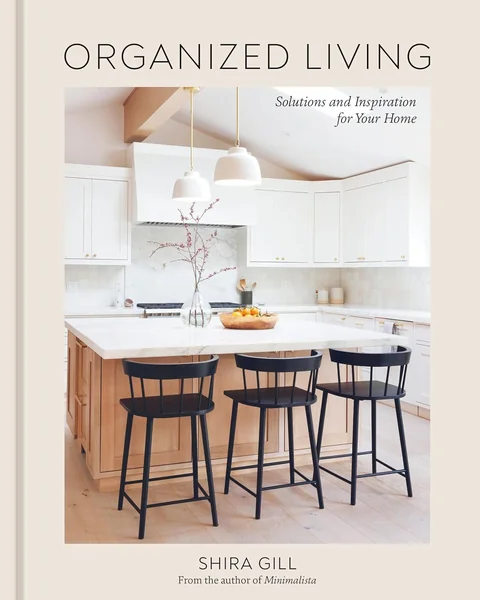
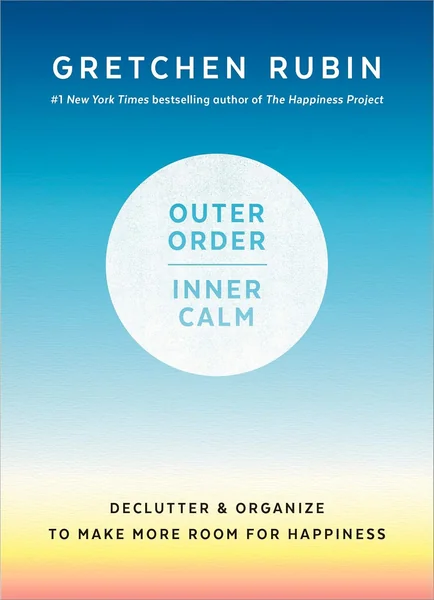
- Readers who enjoy The Home Edit will find much to appreciate in Shira Gill's Organized Living: Solutions and Inspiration for Your Home, which similarly blends practical storage guidance with design sensibility. Toni Hammersley's The Complete Book of Home Organization offers a comprehensive room-by-room framework for those who want even more structural depth. For the decluttering philosophy side, Marie Kondō's The Life-Changing Magic of Tidying Up is the iconic counterpoint — a more minimalist, item-by-item approach that contrasts interestingly with Shearer and Teplin's aesthetic-first system. Gretchen Rubin's Outer Order, Inner Calm: Declutter and Organize to Make More Room for Happiness takes a lighter, habit-focused angle, while Joanna Gaines' Homebody: A Guide to Creating Spaces You Never Want to Leave will appeal to readers who share The Home Edit's interest in making a home both organized and beautiful.
- Who should read this?
- The Home Edit is aimed squarely at readers who want a visually guided, system-driven approach to home organization and care about the aesthetic dimension of tidiness — not just function, but the look of an organized space. It's a natural fit for fans of the Netflix series Get Organized with The Home Edit or the Hello Sunshine production Mastering the Mess, both featuring Shearer and Teplin, as well as for social-media followers of home-organization content who want a structured framework to apply at home. First-time organizers looking for a friendly, step-by-step entry point will also find the room-by-room structure a manageable way in.
- Tell me about the adaptation
- Clea Shearer and Joanna Teplin star in the Netflix series Get Organized with The Home Edit, which brings their organizing methodology to life on screen in real client homes. The book functions as a codified companion to that on-screen work — readers already familiar with the show will recognize the philosophy, and the book offers the structured, written framework to apply it room by room at home. The duo also appear in the Hello Sunshine production Mastering the Mess, extending their media presence beyond the Netflix series.
- Does the system require a big shopping list?
- The Home Edit's approach is built around specific product categories — matching containers, labeled bins, and color-sorted arrangements — that presuppose a willingness to invest in organizational supplies and to maintain a particular aesthetic standard over time. This is one of the book's noted caveats: readers should expect that achieving the full visual effect of Shearer and Teplin's system may require a meaningful upfront investment in supplies. Those seeking a purely low-cost or buy-nothing approach will likely need to adapt the framework significantly.
- Does it cover hard-to-organize spaces?
- Yes — one of the book's noted strengths is that it directly addresses notoriously difficult spaces rather than limiting itself to easy wins. The junk drawer is tackled explicitly, and the room-by-room scope spans everything from entryways and kitchens to bathrooms and bedrooms, including specific suggestions like pull-out shelves and drawer organizers for the kitchen, over-the-door shoe organizers for the bathroom, and under-bed storage containers for the bedroom.
Summarize this book
Follow up
Synthesized from verified book data & published reviews · How we review
Press Enter to ask. Answers come from our editorial Q&A — start typing to see related questions.
Age & Reading Level
Recommended age
Adult
Reading level
Adult
who it suits
Skip if you're looking for a minimalist, low-cost, or buy-nothing approach to decluttering
Our Review
What the Book Is and How It's Structured
The Signature Philosophy and Its Cultural Moment
Strengths: Accessibility, Scope, and Tone
Limitations and Honest Caveats
Who This Book Is For
Sources & Further Reading
The key facts and claims in this review are grounded in the retrieved, verified sources listed below.
- Cited in this review
- 1
- 2
- 3
- Further reading
- 4
- 5
5minutebooksummary.com
- 6
econogal.com
- 7
Books like The Home Edit
Curated picks for readers who enjoyed The Home Edit, with our reasoning for each match.
If you liked The Home Edit