Skip to content
Reviewed

Read Time

7 min read

Our age bandAdult
Reader rating
4.7 · 66,344 Amazon ratings, as of Nov 2026
reader ratings, not a LuvemBooks score
Curated & edited by

LuvemBooks Editorial

How we create our reviews →
Share This Review
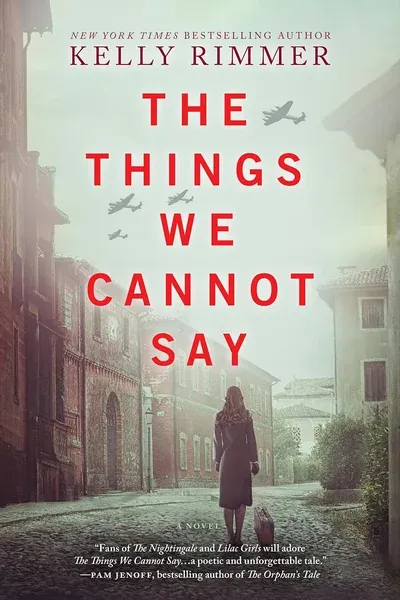
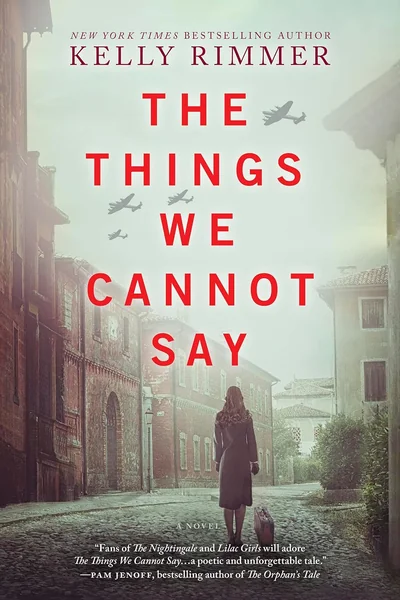
The Things We Cannot Say: A WWII Historical Fiction Novel – A NYT Bestseller Romance Drama of Polish Courage by Kelly Rimmer front cover

Our review

The Things We Cannot Say

The Things We Cannot Say Review: Bloggers Praise Its Two Timelines

Kelly Rimmer's The Things We Cannot Say pairs a teenager's love story in Nazi-occupied Poland with a modern mother's search for her grandmother's husband. Book bloggers found both timelines compelling and moving, with one dissent over the love story's intensity.

Our age band: AdultNazi occupation of Poland · wartime loss and sacrifice

LuvemBooks Verdict

Best for

Readers who want a tearful WWII story in Nazi-occupied Poland paired with a present-day family drama about marriage and raising a child with autism, unspooled as a slow-reveal mystery.

Worth it if

Worth reading if you want a dual-timeline novel where both threads carry weight and you're happy to cry over a love story pitched at full volume.

Skip if

Skip it if you prefer restraint in historical romance, since one book blogger found Alina's declarations of love more like those in books and films than in real life, or if you want the modern family characters fully developed, as the armedwithabook.com blogger found one secondary character underdeveloped.

Where reviewers agree and split

Readers rate it 4.7 on Amazon. The reviews we read that discuss it in depth agree:

Only debbish.com and Literary Quicksand discuss its pacing: both praise the dual-timeline pacing.

  • Pacing

    2 praise the dual-timeline pacing

  • Emotional impact

    2 find it moving

Pacing

Praise

“Rimmer paces the novel well so our knowledge of the past merges with Alice’s”

— debbish.com · Book blog
Praise

“This novel builds a lot of suspense and reveals things slowly, which I actually ended up loving.”

— Literary Quicksand · Book blog

Emotional impact

Praise

“It was a touching novel which just got me right in the feels.”

— The Lit Bitch · Book blog
Praise

“I predict you will cry multiple times.”

— Toby A. Smith · Book blog
4 reviews weigh in (4 book blogs); counts are per topic. A review counts only where we can quote it.

Reception comes from individual book bloggers and leans clearly positive: debbish.com, thelitbitch.com and tobyasmith.com were all won over, the first two despite expecting little from the genre. The main reservations are the intensity of the central love story and thin development of a secondary character.

Sources: debbish.com, literaryquicksand.com, thelitbitch.com, tobyasmith.com, fulloflit.com
4.7from 66,344 Amazon ratings, as of Nov 2026— reader ratings, not a LuvemBooks score

Ask LuvemBooks

Was this helpful?

The Things We Cannot Say alternates between a teenager's wartime love story in 1939 Poland and a modern Florida mother's search for her grandmother's lost husband. Book bloggers found both threads engaging and moving, so it suits readers who want a tearful, slow-reveal family mystery. The main caveat is intensity: the wartime declarations of love seem more like those in books and films than in real life.
Is it worth reading?
Reviewers' verdicts lean positive, and two came in skeptical. Debbish does not usually read historical fiction yet read it in one riveted sitting, and the blogger at thelitbitch.com expected an also-ran in a crowded WWII genre but found it well written and touching. The caveat is emotional pitch: Toby A. Smith warns it is deeply emotional and at times difficult, while the love declarations read more like those in books and films than in life. All reviews come from individual bloggers, not newspapers or trade critics.
Similar books
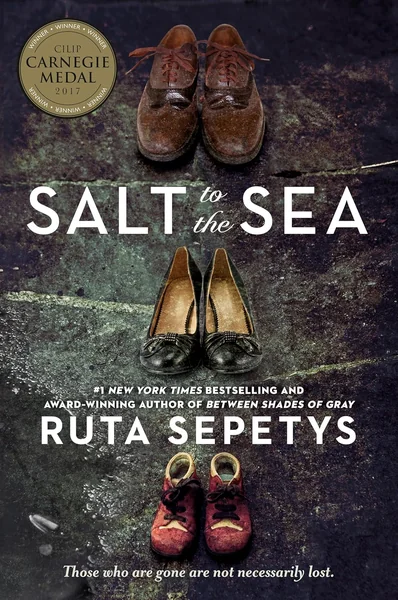
Readers who want more family-secret stories set against WWII-era history could try We Were the Lucky Ones by Georgia Hunter, The Alice Network by Kate Quinn, or Salt to the Sea by Ruta Sepetys. Before We Were Yours by Lisa Wingate also traces a hidden family past across two timelines. Rimmer's own Truths I Never Told You is another of her family-mystery novels.
Who should read this?
It suits readers who want a WWII story told through a first love and who enjoy secrets revealed slowly rather than through a single twist. The modern thread about marriage and raising a child with autism gives it a second weighty subject beyond the war. Readers who want restraint in historical romance may be less satisfied.
What age is it for?
It is written for adults. The reviews flag it as set in Nazi-occupied Poland, but none of the bloggers addresses a recommended reading age. No source gives an age rating, so parents considering it for a teen should check the content themselves.
What does it say about family?
One blogger took from the ending how much family matters and how well partners can know us. The same reviewer noted that Alice's father appears little and that her mother's relationship with her own mother is not explored in depth, so the family theme leans more on Alice, Hanna and Alice's marriage.
Where do reviewers agree and disagree?
On the two-timeline structure they agree: the Literary Quicksand blogger found both women compelling in different ways, and Debbish praised the pacing. The one dissent concerns Alina's love story, which reads more like those in books than in life, with that reviewer noting she may simply not be romantic enough. None of the bloggers addresses the ending's payoff directly.
Summarize this book

Summarize this book

In 1939, Alina Dziak is a teenager engaged to her childhood best friend Tomasz when the Germans arrive in her Polish village. In the present day, Alice Michaels, a stay-at-home mother in Florida with a seven-year-old son on the autism spectrum, is asked by her declining ninety-five-year-old grandmother Hanna to find a husband the family believes is dead. The two timelines converge as Alice travels to Poland and the family's buried history comes out in slow stages.

Follow up

Where in Poland does Alice travel?
Do I need to read anything first?

Synthesized from verified book data & published reviews · How we review

Ask LuvemBooks

What would you like to know about The Things We Cannot Say?

Answers come from our editorial notes on this book. If we haven't covered something, we'll say so.

Readers often ask

Our Review

We review the evidence: published critics, reader verdicts and BookTube reviews, gathered and weighed with AI assistance and edited by LuvemBooks, rather than one reader's first-hand take.
Book bloggers who reviewed Kelly Rimmer's novel were nearly unanimous that its two timelines both pull, with one dissent about how intensely the wartime love story is voiced. For readers who want a tearful WWII story alongside a modern family drama, it is a strong pick.
The Things We Cannot Say: A WWII Historical Fiction Novel – A NYT Bestseller Romance Drama of Polish Courage by Kelly Rimmer front cover

What is The Things We Cannot Say about?

The novel runs on two tracks. In 1939 Poland, teenager Alina Dziak is engaged to her childhood best friend Tomasz, who is away at college in Warsaw when the Germans arrive in her village.
In the present day, Alice Michaels is a stay-at-home mother in Florida raising a seven-year-old son with autism spectrum disorder.
Alice's ninety-five-year-old grandmother, Hanna, who is in declining health, makes a startling request: find her husband Tomasz, a man the family believes is dead, in her Polish hometown. The publisher's synopsis frames the link between the eras as a wedding vow spoken in a refugee camp in 1942, "a lie that will remain buried until the next century".
The romance at the centre is a wartime first love between Alina and Tomasz, and it carries the historical half of the book. The modern half is about marriage, motherhood and a family's unspoken history.

What did bloggers find in Alina's wartime story?

Debbish, the Australian book blogger behind debbish.com, praised how Rimmer paces the dual narrative so that the reader's knowledge of the past merges with Alice's discoveries as she travels to Trzebinia. She also said the resilience and reluctant acceptance of people living under occupation is well reflected, and that Rimmer drew on her own family history.
The blogger at thelitbitch.com, who called WWII a flooded genre and gave the book 50/50 odds of standing out, was won over. She wrote that it looks at how war affects people long after it ends, and called it well written and touching.
Toby A. Smith, who runs tobyasmith.com, called the book intensely suspenseful, "full of surprises" and a mix of Nazi-occupied Poland, family bonds and a page-turning mystery.

Does the modern storyline hold up beside the war one?

The blogger behind Literary Quicksand named the usual risk of dual-timeline novels, that one thread is so much more compelling that the other becomes a chore. She said that did not happen here: both women were compelling in different ways, a woman in love living through war and a mother holding her marriage and family together.
She also liked the slow reveal, preferring the drawn-out disclosures to a single twist, though the sacrifices made her want to shout at the page.
The armedwithabook.com blogger responded most to the family theme, taking from the ending how much family matters and how well partners can know us. The armedwithabook.com blogger noted that Alice's father appears little and that her mother's relationship with her own mother is not explored in depth.

What are the reservations about the romance and the weight?

The only criticism the Literary Quicksand blogger offered was the intensity of Alina's love story: she found the declarations of deep love the kind that people say in books and films rather than in life, and added that she may simply not be romantic enough.
Toby A. Smith warned that this is a deeply emotional and at times difficult read and predicted readers will cry several times. Debbish, who is not a fan of historical fiction, still read it in one riveted sitting.
The coverage is warm, though all of it comes from individual book bloggers rather than newspapers or trade reviewers, and none of the bloggers address the ending's payoff directly.

Is The Things We Cannot Say worth reading?

Weighing these reviews, the tension they circle is between emotional payoff and emotional intensity. The same quality that moved most bloggers, a love story pitched at full volume and a plot built on sacrifice, is the one thing the Literary Quicksand blogger found too much.
That points the book towards readers who want to cry over a WWII story and who enjoy a slowly unspooled family mystery, and away from readers who prefer restraint in their historical fiction.
The skeptic data is also telling: Debbish does not usually read historical fiction and thelitbitch.com's blogger expected a crowded-genre also-ran, yet both came away positive. The publisher's marketing pitches it to fans of The Nightingale and All the Light We Cannot See.
The modern autism-parenting thread, which Debbish describes, is the element that distinguishes it from a straight war novel.
One caution on provenance: the Goodreads figure of 4.52 from over 19,000 ratings appears in the Literary Quicksand post, which relays it from Goodreads, so treat it as that blogger's report.

Sources & Further Reading

The key facts and claims in this review are grounded in the retrieved, verified sources listed below.

  1. Cited in this review
  2. 1
  3. Further reading
  4. 2
  5. 3
  6. 4
  7. 5
  8. 6
  9. 7
  10. 8
  11. 9
  12. 10
  13. 11

    fulloflit.com

Age & Reading Level

Our age band

Adult

Our age band groups books for browsing; it isn't an age a review gave.

Content to know about

Nazi occupation of Poland
wartime loss and sacrifice
parenting a child with autism
family secrets

Skip if you prefer restraint in historical romance or want a lighter read than a deeply emotional, at times difficult war story.

From our readers

Reader reviews

Be one of the first readers to answer.

Read it? Was it right for you?

Books like The Things We Cannot Say

Curated picks for readers who enjoyed The Things We Cannot Say, with our reasoning for each match.

Discussion

Reader comments