At a glance
About the Author
Joanne Kormylo1 book reviewed
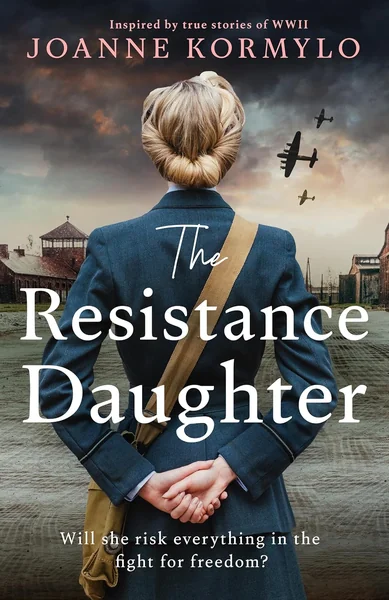
The Resistance Daughter
by Joanne Kormylo
LuvemBooks Verdict
Best for: Readers of commercial WWII fiction in the Anna Stuart / Soraya M. Lane vein who want a fast, emotionally heavy resistance-and-captivity story whose wartime detail rests on genuinely documented family research rather than set dressing.
Worth it? Skip it? Read the full verdict →Ask LuvemBooks
Was this helpful?
- Is it worth reading?
- For its target readership — fans of commercial WWII historical fiction — the early evidence is encouraging: Robert Dugoni calls it "a stunning debut," Richard Woodbury calls it a "meticulous and gripping page-turner," and reader reviews stress its emotional impact. The honest caveat is that reception so far comes from genre-author endorsements and reader reviews rather than established newspaper or magazine criticism, so readers who weigh formal criticism heavily should factor that in.
- Similar books
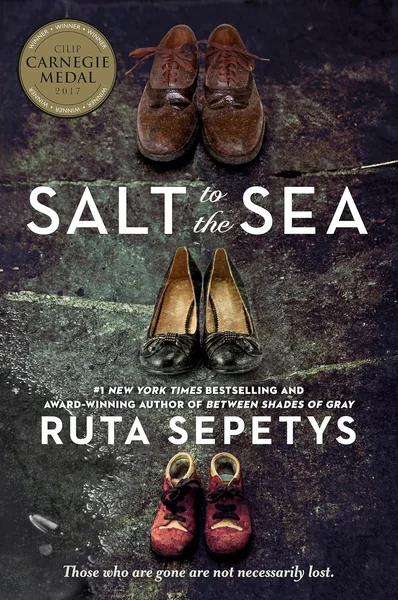
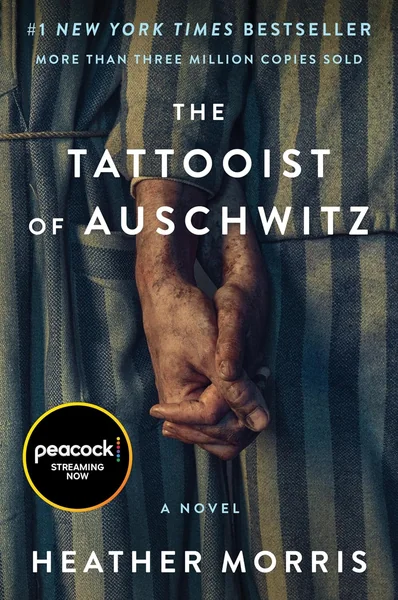
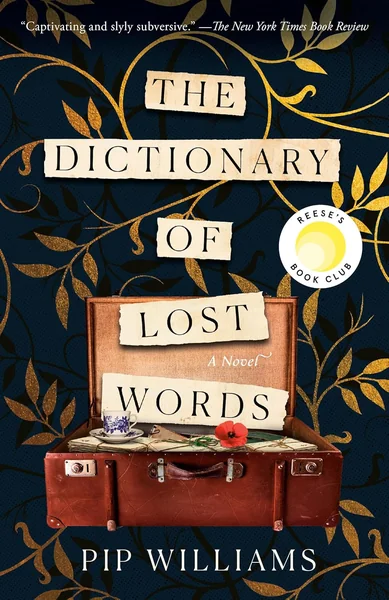
- Readers who connect with The Resistance Daughter should consider Salt to the Sea by Ruta Sepetys, another WWII novel centered on an overlooked corner of the war, and The Tattooist of Auschwitz by Heather Morris, which similarly builds fiction on real wartime testimony. Kristin Harmel's The Things We Cannot Say — which also weaves Polish WWII history with family inheritance — is a natural match, as is Kristin Hannah's The Nightingale for its resistance-and-survival focus, and The Dictionary of Lost Words by Pip Williams for readers who like history told through personal, archival material.
- Who should read this?
- It is aimed squarely at the large readership for commercial WWII historical fiction — the publisher's own comparison points are Anna Stuart and Soraya M. Lane. It suits readers drawn to stories of resistance, captivity, and survival, and especially anyone who values knowing a novel's wartime detail rests on genuine research — a father's Wartime Log, veteran interviews, museum work — rather than set dressing.
- What are the main themes?
- The endorsers circle a consistent set: the resilience of love, hope, and the will to survive (Robert Dugoni's phrasing), courage against all odds, and endurance under occupation and captivity. Beneath those sits a more distinctive theme — a daughter engaging with her father's wartime record — which gives the survival narrative a personal, inheritance-driven resonance beyond the standard genre package.
- Is it a good book club pick?
- It can be, with one calibration. The discussion hooks are strong — the real Wartime Log at the novel's root, the ethics of fictionalizing family history, and the question of whether the captivity material convinces — and the emotional register gives readers plenty to react to. Groups that prefer formally challenging literary fiction, however, should know this is an accessible, plot-driven commercial novel.
- How fast-paced is it?
- All the available signals say yes. Kathleen McGurl calls it "action packed and full of drama," Richard Woodbury pairs "meticulous" research with "gripping page-turner" momentum, and the publisher's own framing — sweeping emotion, high stakes, courage against all odds — promises a pace-first experience. Readers wanting a slow, reflective wartime novel should look elsewhere.
Summarize this book
Follow up
Synthesized from verified book data & published reviews · How we review
Press Enter to ask. Answers come from our editorial Q&A — start typing to see related questions.
Age & Reading Level
Recommended age
Adult
Reading level
Adult
3 content notes · who it suits
Content to know about
Skip if you prefer the quieter, more interior end of wartime fiction, or you want strict non-fiction history rather than a novel inspired by true events.
Editorial Review
Joanne Kormylo's debut for Hodder & Stoughton is a WWII historical novel set in Poland in 1942, inspired by true stories and built on her own father's Wartime Log, veteran interviews, and museum work. Its deep personal research is its clearest strength.
Read the Full ReviewBooks like The Resistance Daughter
Curated picks for readers who enjoyed The Resistance Daughter, with our reasoning for each match.
If you liked The Resistance Daughter