Skip to content
Reviewed

Read Time

9 min read

Our age bandAdult
Reader rating
4.3 · 17,194 Amazon ratings, as of Nov 2026
reader ratings, not a LuvemBooks score
Curated & edited by

LuvemBooks Editorial

How we create our reviews →
Share This Review
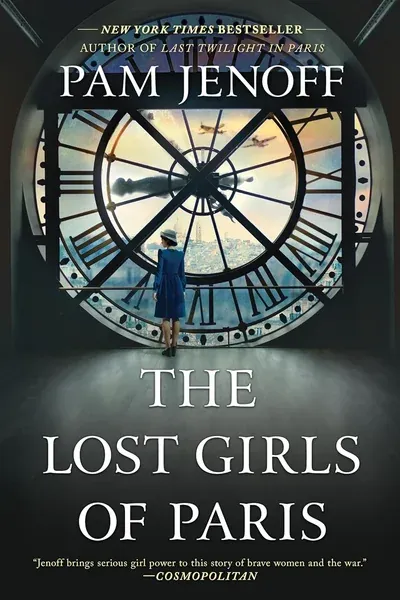
The Lost Girls of Paris: A Novel – A NYT Bestseller WWII Historical Fiction Story of Courage and Secrets by Pam Jenoff front cover

Our review

The Lost Girls of Paris

The Lost Girls of Paris by Pam Jenoff Review: Unearthing WWII's Hidden Operatives

Pam Jenoff's New York Times bestselling historical novel traces a war widow's investigation into a suitcase of photographs that leads her to a secret ring of female agents in occupied France. Critics and readers alike praise the book's gripping premise and meticulous research, though some find its narrative execution uneven.

Our age band: Adultwartime betrayal · moral compromise

LuvemBooks Verdict

Best for

Grounded in the documented history of the SOE's female operatives, this novel offers readers drawn to character-driven WWII espionage a compelling mystery anchored by Eleanor Trigg’s fiercely duty-bound leadership.

Worth it if

Worth reading if you prioritize historically grounded narratives and complex female protagonists over tight chronological pacing and unflinching wartime action.

Skip if

Skip it if you require airtight historical accuracy and a clearly structured timeline, as reviewers note the chronology blurs and factual details strain credulity.

Where reviewers agree and split

Readers rate it 4.3 on Amazon. The reviews we read that discuss it in depth split on some points:

  • Negative

    Kirkus Reviews · Press review: rushed and sloppy World War II adventure lacking tension

  • Negative

    USA Today · Press review: compelling historical premise undermined by disappointing execution (from its headline)

  • Positive

    Hasty Book List · Magazine: profound and engaging historical novel with courage and sisterhood themes

  • Positive

    Fiction Writers Review · Book blog: vivid research and impressive Eleanor character, appealing to historical fiction fans

  • Mixed · 3.88

    Review This Reviews · Book blog: rewarding story but marred by historical inaccuracies and questionable character decisions

  • Positive

    The Lit Bitch · Book blog: impressive story with strong female characters and authentic historical detail

    Overall verdicts are our summary of each review we read, from its headline, rating and conclusion.

    Critics are divided on the novel’s execution, with Kirkus Reviews condemning it as a "sadly slapdash" and "flabby" adventure marred by sloppy language and confusing continuity, while Fiction Writers Review and Hasty Book List praise its vivid research and compelling historical premise. USA Today echoes the criticism, noting the compelling history ultimately falls short due to disappointing execution and unneeded plot turns.

    “the narrative is, for the most part, flabby and devoid of tension”

    — Kirkus Reviews
    Sources: Kirkus Reviews, Fiction Writers Review, Hasty Book List, USA Today
    4.3from 17,194 Amazon ratings, as of Nov 2026— reader ratings, not a LuvemBooks score

    Ask LuvemBooks

    Was this helpful?

    Pam Jenoff’s The Lost Girls of Paris traces a New York widow’s postwar investigation into a suitcase of photographs, uncovering the forgotten stories of female SOE agents in occupied France. Critics praise the novel's compelling premise, though some find it uneven. Readers who prioritize historically grounded, character-driven espionage will find a rewarding mystery, while those seeking tight chronological pacing may find the structural choices frustrating.
    Is it worth reading?
    The book is worth reading for fans of complex female protagonists who value plot development over unflinching wartime action. While Kirkus Reviews notes that the narrative struggles with chronological clarity and pacing, Fiction Writers Review and Hasty Book List highlight its vivid research and impressive character work. It pairs well with group discussions on female agency and historical resilience.
    Similar books
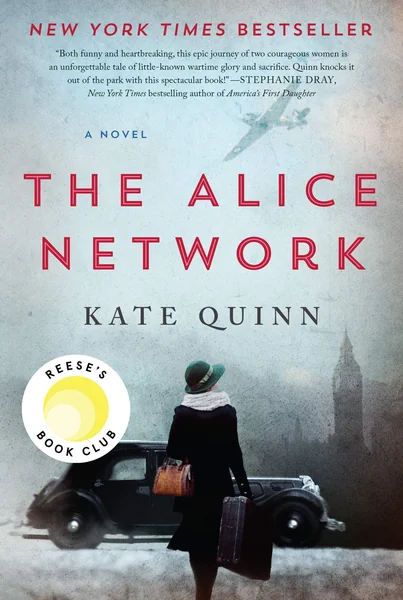
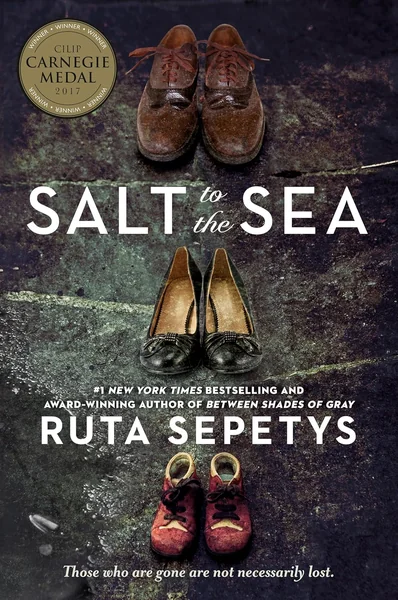
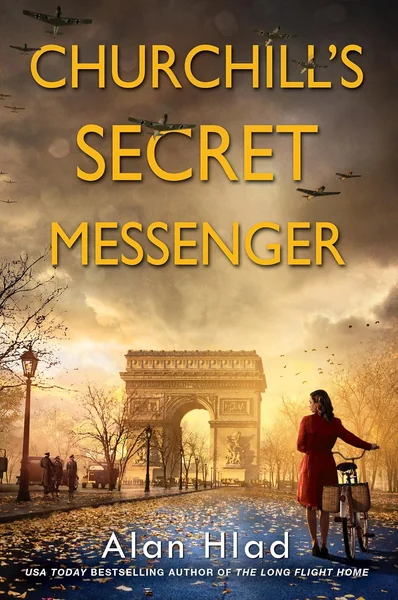
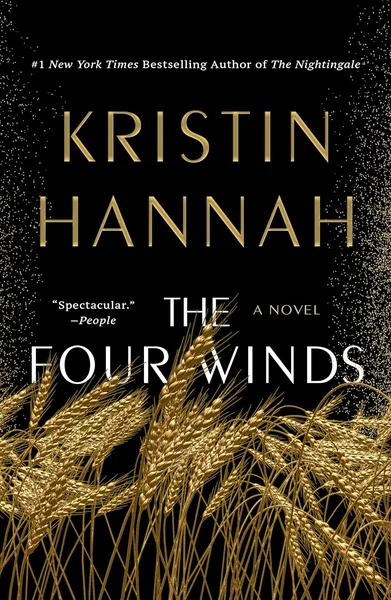
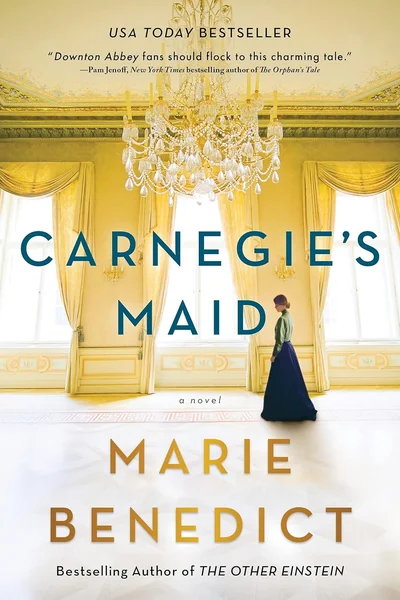
    Readers who enjoy this blend of historical research and female-led espionage might also appreciate Carnegie's Maid by Marie Benedict, The Alice Network by Kate Quinn, and Salt to the Sea by Ruta Sepetys. These titles share a focus on meticulously researched historical settings and compelling female protagonists navigating complex moral landscapes. Additionally, Churchill's Secret Messenger by Alan Hlad offers a deep dive into wartime operations, while The Four Winds by Kristin Hannah appeals to those drawn to character-driven historical narratives.
    Who should read this?
    This novel is best suited for readers drawn to WWII espionage and fiercely duty-bound female leadership. It appeals to those who value detailed narratives over a fast-paced approach. It also pairs exceptionally well with book clubs looking to explore themes of identity, agency, and female resilience.
    What historical events inspire this story?
    The narrative is inspired by the documented exploits of women who served behind enemy lines for the Special Operations Executive (SOE) in occupied France. The story highlights the hidden contributions of the British resistance and agent Eleanor Trigg, who recruited operatives for dangerous missions. Jenoff's background in international affairs and diplomacy informs the technical accuracy of the espionage elements and the obstacles faced by the protagonists.
    Is this a good book club pick?
    The novel pairs exceptionally well with group discussions, particularly when exploring themes of identity, agency, and female resilience in the face of adversity. Its exploration of guilt, sacrifice, and loyalty provides rich material for debate, while the historical focus invites readers to examine overlooked chapters of World War II. The blend of postwar investigation and wartime flashbacks also encourages conversations about memory and truth.
    How does the timeline work?
    The narrative traces Grace's 1946 search through Washington archives and 1943 France flashbacks. While this structure effectively builds suspense, Kirkus Reviews notes that the wartime timeline is confusing in places. The contrast between the bustling modern terminal and the quiet, dangerous operations of the past helps anchor the dual timelines.
    Summarize this book

    Summarize this book

    The novel opens in 1946 where Grace Healey discovers an abandoned suitcase of photographs belonging to Eleanor Trigg, a former SOE officer. As Grace navigates bureaucratic hurdles in Washington, D.C., with the help of her late husband’s friend Mark, the narrative flashes back to 1943 France, revealing the perilous missions of female couriers and radio operators. The story weaves a compelling postwar mystery with wartime espionage, exploring themes of loyalty, sacrifice, and redemption.

    Follow up

    How is the story structured?
    Does the book have a hopeful ending?

    Synthesized from verified book data & published reviews · How we review

    Ask LuvemBooks

    What would you like to know about The Lost Girls of Paris?

    Answers come from our editorial notes on this book. If we haven't covered something, we'll say so.

    Readers often ask

    Our Review

    We review the evidence: published critics, reader verdicts and BookTube reviews, gathered and weighed with AI assistance and edited by LuvemBooks, rather than one reader's first-hand take.
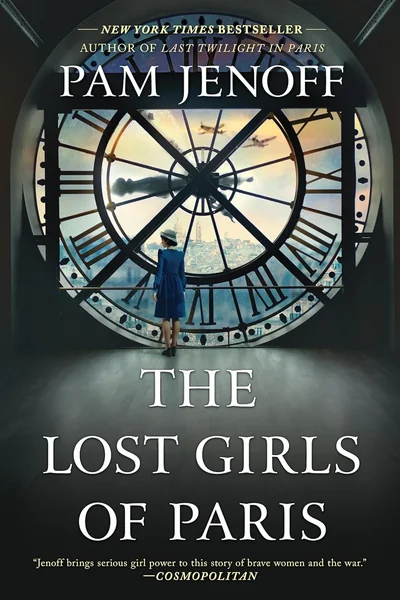
    Pam Jenoff's New York Times bestselling historical novel delivers a compelling mystery grounded in the real-life exploits of women who served behind enemy lines, even if its execution stumbles at times.
    The Lost Girls of Paris: A Novel – A NYT Bestseller WWII Historical Fiction Story of Courage and Secrets by Pam Jenoff front cover
    The Lost Girls of Paris: A Novel – A NYT Bestseller WWII Historical Fiction Story of Courage and Secrets by Pam Jenoff front cover

    The Premise and the Women Behind the War

    The novel opens in 1946 at Grand Central Station, where Grace Healey, a young widow rebuilding her life in New York City, discovers an abandoned suitcase containing a dozen photographs of young women. The suitcase belongs to Eleanor Trigg, a former Special Operations Executive officer who recruited female agents for missions in occupied France.
    Grace becomes determined to uncover the fates of these women, who were sent as couriers and radio operators but never returned. The narrative alternates between Grace's postwar paper chase in Washington, D.C., and flashbacks to 1943, when Eleanor recruits a native French speaker named Marie for a dangerous assignment north of Paris.
    Grand Central Station serves as the modern anchor for Grace's investigation. The bustling terminal contrasts sharply with the quiet, dangerous operations of the past.
    Grace's investigation is aided by Mark, her late husband's best friend, who becomes a burgeoning love interest as they dig through SOE records. Their relationship develops alongside the uncovering of historical truths, blending personal healing with professional discovery.
    The plot relies heavily on the tension between Grace's modern investigation and the perilous wartime missions of the past.

    Historical Context and Research

    Jenoff, a former diplomat with the U.S. State Department, grounds her narrative in the documented history of the SOE's female operatives. Fiction Writers Review notes that the author provides vivid and convincing detail regarding the mechanics of transmitting secret messages back to England.
    Her professional background informs the technical accuracy of the espionage elements. The bureaucratic hurdles Grace faces feel authentic and well-researched.
    The Lit Bitch describes the story as deeply rooted in history, emphasizing that the wartime setting creates a unique environment where the women must rely on each other for survival. Hasty Book List highlights that the novel is inspired by true events and meticulously researched, bringing attention to the hidden women of the British resistance.
    Jenoff's background in international affairs and her experience in Poland contribute to a convincing portrayal of Eleanor, who is depicted as a proudly difficult woman driven by a fierce concern for her agents. The narrative explores the complex moral landscape of occupied territory, where ordinary women took on extraordinary roles to aid the resistance.
    Readers interested in themes of guilt, sacrifice, loyalty, and redemption will find these elements woven throughout the story.

    Strengths of the Narrative

    The central mystery of Grace's search for the truth behind the photographs provides a strong throughline for the story. Fiction Writers Review observes that the book proceeds at a fast clip, generating genuine suspense through the mundane tasks of evading bureaucracy and skimming through classified papers.
    Reviewers split on the pacing, with some praising the brisk pace while others find the narrative flabby and devoid of tension. This structural choice mirrors the slow, methodical nature of archival research.
    The Lit Bitch praises the novel for being exciting and suspenseful, noting that the historical details appeal to a wider audience. Hasty Book List calls the novel profound and engaging, focusing on the themes of courage, sisterhood, and sacrifice.
    The portrayal of Eleanor Trigg stands out as a particularly unique individual, free from stereotypes and driven by her duty to the women she recruited. Fiction Writers Review highlights that Eleanor is known as a difficult woman who is proudly and necessarily so.
    Grace's relationship with Mark develops alongside the uncovering of historical truths. Their bond provides a grounding counterweight to the wartime peril.

    Limitations and Execution

    Despite its strong foundation, the novel faces criticism for its narrative execution. Kirkus Reviews describes the book as a sadly slapdash World War II adventure, noting that the wartime chronology is blurred by overly general date headings and confusing continuity.
    The publication argues that the lack of clear temporal markers undermines the thriller aspects. This chronological confusion leaves readers disoriented during key wartime sequences.
    The publication points out that the narrative is flabby and devoid of tension for the most part, with sloppy language that fails to dispel the impression of a rushed effort. Kirkus also notes that readers hardly see Marie in action as a radio operator, instead learning of her transmissions mainly through Eleanor.
    The Lit Bitch, by contrast, found the story exciting and suspenseful. The attraction between Marie and the spy ring's leader is described as plausible but formulaic by Fiction Writers Review.
    The narrative struggles to maintain clarity when shifting between decades.

    Is The Lost Girls of Paris Worth Reading?

    Weighing these reviews, the book offers a compelling look at a neglected chapter of World War II history, driven by a clear mystery and strong historical research. Readers who enjoy meticulously researched historical fiction with a strong focus on female agency and espionage will find much to appreciate in the premise and the character of Eleanor.
    The novel appeals to fans of historical mysteries who value character-driven narratives over fast-paced action. Such readers will likely overlook the structural flaws in favor of the compelling subject matter.
    However, those who prioritize tight pacing and clear chronological structure may find the narrative execution frustrating. The book pairs well with group discussions, as noted by Hasty Book List, particularly when exploring themes of identity, agency, and female resilience in the face of adversity.
    Readers seeking a traditional resolution may find Eleanor's lack of a happy ending challenging, but her total involvement in her work remains convincing. The story celebrates courage while grappling honestly with the heavy toll of loss and betrayal.

    Sources & Further Reading

    The key facts and claims in this review are grounded in the retrieved, verified sources listed below.

    1. 1
    2. 2
    3. 3
    4. 4
    5. 5
    6. 6
    7. 7
    8. 8

      USA Today

    Age & Reading Level

    Our age band

    Adult

    Our age band groups books for browsing; it isn't an age a review gave.

    Content to know about

    wartime betrayal
    moral compromise
    complex romantic relationships
    loss and sacrifice

    Skip if you require airtight historical accuracy and a clearly structured timeline, as the chronology blurs and factual details strain credulity.

    From our readers

    Reader reviews

    Be one of the first readers to answer.

    Read it? Was it right for you?

    Books like The Lost Girls of Paris

    Curated picks for readers who enjoyed The Lost Girls of Paris, with our reasoning for each match.
    Discussion

    Reader comments