BOOKS
Published

Read Time

9 min read

Reader rating

4.4

· 6,240 Amazon ratings
reader ratings, not a LuvemBooks score
Curated & edited by

LuvemBooks Editorial

How we create our reviews →
Share This Review

The Lies They Told by Ellen Marie Wiseman Review: A Harrowing Eugenics-Era Historical Novel

Ellen Marie Wiseman's The Lies They Told follows Lena, a young German immigrant who arrives in 1930s rural Virginia with her baby and collides with America's eugenics movement. Praised for its immersive period detail, it moves slowly but lands hard.

LuvemBooks Verdict

Best for

Historical fiction readers — especially fans of Wiseman's earlier novels and book clubs — who want slow-burn immersion in an under-examined chapter of American history (Virginia's eugenics-era forced sterilizations) rather than a propulsive plot.

Worth it if

Worth reading if you value dense, sensory period reconstruction and morally urgent stories of institutional cruelty — and you're willing to push through a deliberately slow opening for the payoff that available commentary says follows.

Skip if

Skip it if you need a fast-moving plot or a comforting read — reviewers flag an unhurried first stretch where atmosphere outweighs momentum, and the subject matter (state coercion, forced sterilization) is genuinely harrowing.

Shelf Promotion called it "one of the most immersive books I've ever read," praising Wiseman's dialect detail while cautioning that the slow pace may test readers around the 130-page mark. The Historical Novel Society described an "unsettling, emotionally devastating story" with present-day resonance, and Penguin Random House's publicity page relays critical coverage's verdict of "Harrowing… a clear-eyed and resonant portrait of an ignominious era."

Sources: Shelf Promotion, Historical Novel Society, Toby A. Smith, Bookishelf, Penguin Random House
4.4from 6,240 Amazon ratings— reader ratings, not a LuvemBooks score
Buy on Amazon

Age & Reading Level

Recommended age

Adult

Reading level

Adult

Content to know about

forced sterilization and eugenics-era state coercion
institutional abuse targeting immigrants, the poor, and the disabled
threatened loss of child custody

Best for: Adults — the novel centers on forced sterilization and state coercion of a vulnerable immigrant mother, written for an adult historical fiction readership

Skip if you prioritize a propulsive plot over period immersion — the first stretch is deliberately slow, and the subject matter is harrowing rather than comforting

In This Review
  • What Works & What Doesn't
  • A Young Mother Collides with the Eugenics Movement
  • Rooted in a Real and Shameful American Chapter
  • Immersion and Language as Craft
  • Where the Pacing Demands Patience
  • Who This Novel Serves Best

What Works & What Doesn't

What Works
  • Dramatizes a real, under-examined injustice — Virginia's forced-sterilization program and the eugenics movement
  • Praised for immersive period atmosphere, dialect detail, and blended-language prose that conveys Lena's outsider experience
  • Publishers Weekly, quoted in the publisher's publicity, calls it harrowing and a clear-eyed portrait of an ignominious era
  • From an established author with a proven track record in historical fiction about institutional cruelty
  • Timely thematic resonance around immigration, bodily autonomy, and state power
What Doesn't
  • Deliberately slow pacing, with one reviewer flagging flagging momentum around the 130-page mark
  • Plot takes a back seat to atmosphere, which may frustrate readers who want a propulsive story
  • Genuinely heavy subject matter — state coercion and forced sterilization — makes for a harrowing, not comforting, read
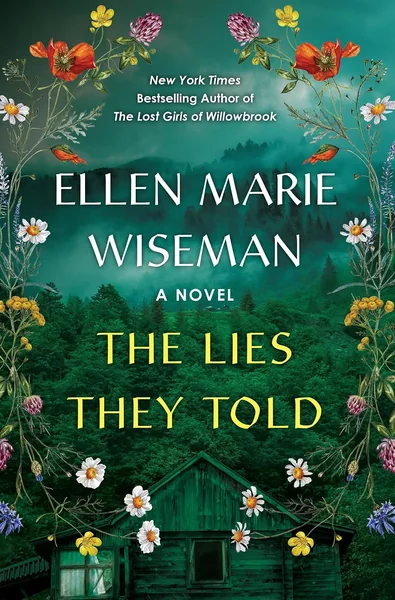
The Lies They Told is an atmospheric, morally urgent historical novel that rewards readers willing to settle into its slow-burn immersion in America's eugenics era.
The Lies They Told by Ellen Marie Wiseman front cover

A Young Mother Collides with the Eugenics Movement

Ellen Marie Wiseman's novel, published by Kensington on July 29, 2025, is set in rural 1930s Virginia and follows Lena, a young German immigrant who travels to the region with her baby daughter, Ella, at the height of America's eugenics movement. According to the publisher's synopsis, Lena finds herself fighting for her dignity and for those she loves against a system built on the era's pseudo-scientific doctrines. The premise places an outsider — a newcomer still learning the language and customs of her adopted country — directly in the path of a state apparatus that classified immigrants, the poor, and the disabled as "unfit."
the novel has a slow pace that would appeal to those wishing to spend intimate time alongside the characters
That setup gives the novel its central tension: a mother with little English, little money, and few legal protections confronting an institutional machine that held enormous power over the lives of vulnerable women. It is a story of powerlessness and resistance, and the stakes are intimate — a woman's custody of her own child and command of her own body.

Rooted in a Real and Shameful American Chapter

The novel's backdrop is documented history. Virginia's 1924 Eugenical Sterilization Act authorized the forced sterilization of people deemed "feebleminded," a law upheld by the U.S. Supreme Court in the notorious 1927 Buck v. Bell decision. Tens of thousands of Americans were sterilized under such state programs over the following decades, and Virginia's remained in force into the 1970s. Wiseman's novel dramatizes this machinery from the perspective of someone squarely in its crosshairs.
The book also fits a clear pattern in Wiseman's body of work. She has built her reputation on historical novels about institutional cruelty visited on the powerless — The Orphan Collector, The Lost Girls of Willowbrook, Coal River, and her debut The Plum Tree. The publisher's publicity quotes critical coverage calling The Lies They Told "Harrowing" and describing it as a "clear-eyed and resonant portrait of an ignominious era," with a fast-paced plot that gains momentum as Lena grapples with her sense of powerlessness. For readers who have followed Wiseman's career, this is familiar territory rendered with her characteristic focus on women crushed by, and pushing back against, the systems meant to control them.

Immersion and Language as Craft

The most specific craft praise available comes from a reviewer writing for Susquehanna University's student newspaper site, who called The Lies They Told "one of the most immersive books I've ever read" and noted that "Wiseman nails every detail down to the characters' differing dialects." The same review highlights how Wiseman blends languages on the page to convey Lena's struggle to blend into American life — a formal choice that makes the protagonist's alienation something the reader experiences rather than merely observes.
That attention to linguistic texture and period atmosphere is the novel's distinguishing strength as described by its early readers. Rather than racing through its historical material, the book takes care to introduce Lena and her world, building the authentic texture of a newly arrived immigrant's rural Virginia. Readers who value that kind of dense, sensory historical reconstruction will find the novel engineered for them.

Where the Pacing Demands Patience

The same qualities that make the novel immersive also create its most noted weakness. The Susquehanna reviewer cautioned that "the novel has a slow pace that would appeal to those wishing to spend intimate time alongside the characters," describing trouble picking the book back up around the 130-page mark when forward momentum flagged. In that reviewer's account, plot takes a sidestep to Wiseman's dedication to atmosphere, and finishing the book requires a willingness to stick with it through a deliberately unhurried first stretch.
This is worth stating plainly for prospective buyers: readers who prioritize a propulsive plot over period immersion may find the early going frustrating, even if the consensus of the available commentary is that the investment pays off. The subject matter is also genuinely heavy — forced sterilization, state coercion, and the targeting of an immigrant mother — and readers should come prepared for a harrowing rather than comforting experience.

Who This Novel Serves Best

The Lies They Told is best suited to historical fiction readers who want to inhabit an era fully and who are drawn to stories of injustice that mainstream history often skips. The Susquehanna review frames it as ideal "for those wanting to immerse themselves in a particular time period alongside a terrible injustice," and argues that novels like Wiseman's make a dark chapter of American history "painfully relevant to today's divided climate." That contemporary resonance — questions of who gets to decide whose life has value, and how the state treats the foreign-born poor — gives the book an edge beyond period recreation.
As an editorial assessment based on published coverage rather than a firsthand reading, the picture that emerges is consistent: a meticulously researched, deliberately paced novel from an author with an established record in this niche, strongest in its atmosphere and moral clarity, weakest where readers demand speed. Book clubs and readers of Wiseman's earlier novels are the natural audience; newcomers should know they are signing up for immersion, not a thriller.

Sources & Further Reading

The key facts and claims in this review are grounded in the retrieved, verified sources listed below.

  1. Cited in this review
  2. 1
  3. 2
  4. 3
  5. 4
  6. Further reading
  7. 5
  8. 6
  9. 7
  10. 8
  11. 9