
BOOKS
Published

Read Time

8 min read

Reader rating

4.5

· 150 Amazon ratings
reader ratings, not a LuvemBooks score
Curated & edited by

LuvemBooks Editorial

How we create our reviews →
Share This Review

The Pirate Queen by Ariel Lawhon Review: A Rousing Sixteenth-Century Irish Adventure

Ariel Lawhon's The Pirate Queen is a sweeping historical adventure inspired by Grace O'Malley, the 16th-century Irish sea captain who became the Pirate Queen of Ireland. Critics praised its research and intrepid heroine while flagging tangled timelines and clichéd love scenes.

LuvemBooks Verdict

Best for

Readers of historical fiction who want a sweeping, action-forward epic anchored by a formidable real-life heroine — especially fans of The Frozen River curious about Grace O'Malley and sixteenth-century Ireland.

Worth it if

Worth it if you come for the ships, battles, and vivid Irish coast — the critical record says the novel is at its most compelling with Grace at sea, and its structural aids (subheadings, thematic hinges, a closing family tree) help manage the timeline-hopping.

Skip if

Skip it if you prioritize taut structure or restrained love scenes — even admiring reviewers found the three timelines demanding to track and the Grace-and-Richard romance cliché-prone.

The New York Times' review credits Lawhon's "exhaustive research and an expansive imagination" with reviving a sea captain pushed to the margins of history, while noting the three-timeline structure is hard to hold in the head and that the romantic scenes teeter into cliché-heavy prose. Kirkus Reviews called it "a thrilling story" whose fun with bloody mayhem, storms at sea, and low Gaelic dialect is contagious, though it faulted the braided timelines for trading narrative momentum and clarity; BookBrowse highlighted the book's framing image of Grace cutting her braid in defiance as a child, echoed at the close of her life.

Through exhaustive research and an expansive imagination, Lawhon revives her, crafting an eventful narrative brimming with the sea captain's exploits, adventures, battles and romances.

The New York Times

A thrilling story, and the fun Lawhon clearly had with scenes of bloody mayhem, storms at sea, and low Gaelic dialect is contagious — though the braided timelines trade momentum and clarity.

Kirkus Reviews
Sources: The New York Times, Kirkus Reviews, BookBrowse
4.5from 150 Amazon ratings— reader ratings, not a LuvemBooks score
Buy on Amazon

Age & Reading Level

Recommended age

Adult

Reading level

Adult

Content to know about

battle violence and wartime peril
on-page romantic love scenes

Skip if you prioritize taut structure and restrained love scenes over sweep, action, and a larger-than-life heroine.

Trending Now
Trending

The Pirate Queen: A Novel by Ariel Lawhon is Trending

Updated Sep 18, 2026
In This Review
  • What Works & What Doesn't
  • What the Book Is
  • Lawhon's Standing and the Book's Place
  • What It Does Well
  • Where It Strains
  • Who It's For

What Works & What Doesn't

What Works
  • Sweeps across Grace O'Malley's whole life — battles, seafaring exploits, and romance — grounded in exhaustive research
  • Critical coverage review called it a relief and a delight, praising its vivid Irish land- and seascapes
  • Structural aids — recurring chapter subheads, thematic hinges, and a closing family tree — help anchor the three timelines
  • Opens with a memorable act of childhood defiance that establishes its heroine immediately
  • From the New York Times bestselling author of The Frozen River; billed as a New York Times bestseller and Editors' Choice
What Doesn't
  • Three interwoven timelines demand real tracking effort, as even the positive New York Times review acknowledged
  • Romantic scenes between Grace and Richard Bourke drew criticism for cliché-heavy prose that breaks the novel's spell
  • The action-packed plot across timelines can blur which narrative thread each chapter resumes
A rousing, well-researched rescue of a half-forgotten Irish legend — thrilling on the water, occasionally waterlogged on shore.
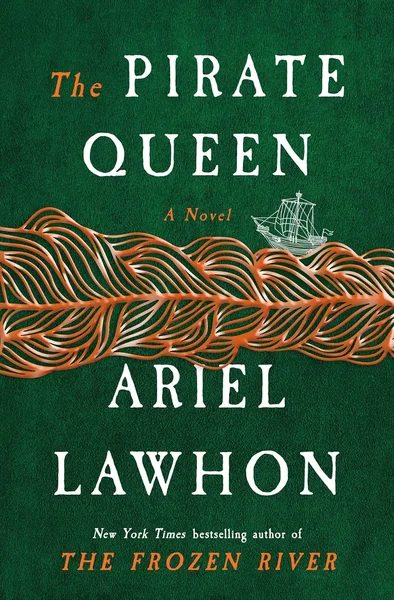
The Pirate Queen: A Novel from the New York Times bestselling author of The Frozen River by Ariel Lawhon front cover

What the Book Is

The Pirate Queen is a historical adventure novel inspired by the life of Grace O'Malley, the sixteenth-century Irish sea captain and clan leader who became known as "the Pirate Queen of Ireland." Published by Doubleday, it is Ariel Lawhon's sixth historical novel, following the success of The Frozen River and I Was Anastasia. The novel opens with Grace as a five-year-old — called "bird" by her chieftain father — slicing off her own long braid in an early act of defiance, then follows her across a life of battles, exploits, and romances spent defending her people and her ships. Structurally, the story unfolds across three timelines, supported by recurring chapter subheadings and a family tree appended at the end of the book. A lifelong love story with Richard Bourke threads through the larger narrative of rebellion and seafaring.
challenging to hold the three timelines in my head and recall the thread that Lawhon was picking up with each chapter.

Lawhon's Standing and the Book's Place

Lawhon arrives at this material from a position of real commercial strength. She is a New York Times bestselling author whose books have been translated into over thirty languages and selected for Good Morning America, LibraryReads, and One Book One County programs. The Pirate Queen is itself billed as a New York Times bestseller, and the publisher lists it as a New York Times Editors' Choice and a People Best Books of September pick. Within Lawhon's catalog, the novel continues a recognizable project: recovering women whom the historical record pushed aside and building full dramatic lives around them. The New York Times' own review frames the book in exactly those terms, describing Lawhon as reviving "a 16th-century sea captain previously pushed to the margins."

What It Does Well

The strongest case for the book comes from critical coverage review, which found it — in the wake of a summer of shiny hero tales — "a relief and a delight to plunge headfirst into the intrepid world of Grace O'Malley." That review credits Lawhon's "exhaustive research and an expansive imagination," producing an eventful narrative brimming with the captain's exploits, adventures, battles, and romances. It also singles out the novel's rendering of the Irish landscape and seascape, noting that the story is most engaging when Grace is animated against the enduring Irish settings of both land and sea — the North critical coverage crossing in particular. The publisher describes the novel as "keenly observed and fiercely written," channeling "the untamed beauty and harsh realities of sixteenth-century Ireland," and the critical evidence available aligns with that portrait of a vivid, action-forward epic anchored by an unforgettable heroine.

Where It Strains

The same New York Times review is candid about the book's weaknesses, and they are worth weighing. The three-timeline structure, necessary to cover Grace's long life, makes for hard going at points: the reviewer found it "challenging to hold the three timelines in my head and recall the thread that Lawhon was picking up with each chapter." Lawhon does attempt to manage this — thematic hinges between chapters create what the review calls a subtle call and response, and the subheadings and closing family tree offer further footing — but readers should expect some navigational effort. The more pointed criticism concerns the romance: scenes between Grace and Richard Bourke, in the reviewer's judgment, "teeter into cliché-heavy prose that disrupts the enchanting spell of the novel," with the story markedly more compelling at sea than in the bedroom.

Who It's For

This is a book for readers of historical fiction who want sweep, action, and a formidable female lead grounded in a real, under-chronicled life — and for Lawhon's existing readership, which the Frozen River audience will presumably supply in force. Those who prioritize taut structure or restrained love scenes may find the pacing across timelines and the romantic passages the friction points the New York Times identified. Readers who come for the ships, the battles, and the sixteenth-century Irish coast will find those elements well supported by the record of its reception. As a portrait of Grace O'Malley, it stands as an accessible, celebratory entry point into the life of a genuine folk heroine — one who, on the evidence of its reviews, earns her crown back.

Sources & Further Reading

The key facts and claims in this review are grounded in the retrieved, verified sources listed below.

  1. Cited in this review
  2. 1
  3. Further reading
  4. 2
  5. 3
  6. 4
  7. 5
  8. 6
  9. 7
  10. 8
  11. 9
  12. 10