Skip to content
Reviewed

Read Time

9 min read

Our age bandAdult
Reader rating
4.4 · 80,842 Amazon ratings, as of Nov 2026
reader ratings, not a LuvemBooks score
Curated & edited by

LuvemBooks Editorial

How we create our reviews →
Share This Review
Hamnet by Maggie O'Farrell front cover

Our review

Hamnet

Hamnet by Maggie O'Farrell Review: A Mother's Grief Behind a Masterpiece

Maggie O’Farrell’s Hamnet reimagines the life of William Shakespeare’s family through the eyes of his wife, Agnes. The novel traces their marriage, the death of their son, and the profound grief that shapes the creation of Hamlet. Critics praise its lyrical prose and emotional depth, though some note its modern sensibilities.

Our age band: Adulton-page child death · plague and disease

LuvemBooks Verdict

Best for

Readers who appreciate lyrical prose and emotional depth will find this intimate study of maternal grief and Shakespearean tragedy deeply rewarding.

Worth it if

Worth reading if you appreciate slow-burn courtships and lyrical prose that prioritize emotional depth over fast-paced plot momentum.

Skip if

Skip it if you require strictly factual biographies or find modern moralizing jarring in an Elizabethan setting.

Where reviewers agree and split

Readers rate it 4.4 on Amazon. The reviews we read that discuss it in depth agree:

  • Positive

    The Guardian · Press review: praises the novel as the author's finest work yet

  • Positive

    The Literary Review · Magazine: praises the novel as a breathtaking and profoundly affecting masterpiece

  • Positive

    Probinism · Book blog: recommends the book as a rare and transformative read

  • Positive

    devontrevarrowflaherty.com · Book blog: calls it a favorite and amazing book despite minor flaws

Overall verdicts are our summary of each review we read, from its headline, rating and conclusion.

The Guardian and The Literary Review hail the novel as O’Farrell’s finest work yet, praising its focus on Agnes as the beating heart of the story. Probinism celebrates it as a transformative reimagining that maps the terrain of grief, while Bookmarks.reviews notes its cross-era resonance but cautions that its approach may feel unconvincing for the period.

“Though the novel opens with Hamnet, its central character and beating heart is the boy’s mother”

— The Guardian
Sources: The Guardian, Probinism, Bookmarks.reviews, Bookbrowse, The Literary Review
4.4from 80,842 Amazon ratings, as of Nov 2026— reader ratings, not a LuvemBooks score

Ask LuvemBooks

Was this helpful?

Maggie O’Farrell’s Hamnet reimagines the Shakespeare family’s life through Agnes, transforming historical speculation into a deeply moving portrait of maternal grief. Critics widely praise its lush, immersive prose and psychological depth, though some note that its deliberate pacing may frustrate readers seeking factual biographies or fast-moving plots. It remains a compelling choice for those who appreciate character-driven literary fiction that explores how private tragedy fuels public art.
Is it worth reading?
Readers who appreciate lush, immersive prose will find this book deeply rewarding. While some find the narrative jarring, critics widely praise it as a masterclass in historical empathy.
Similar books
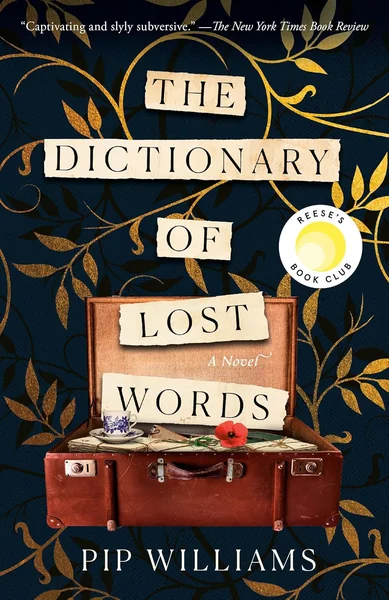
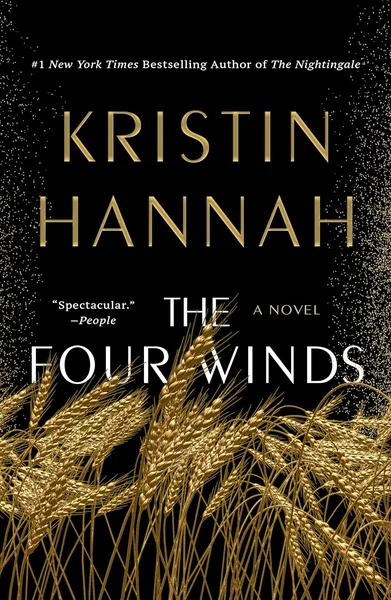
Fans of meticulously researched historical fiction will enjoy Natasha Solomons’ historical retellings or T. Kingfisher’s enchanting prose. Readers who appreciate lyrical narratives might also appreciate The Dictionary of Lost Words or The Four Winds.
Who should read this?
This novel appeals to readers who enjoy carefully crafted stories grounded in emotional depth. It serves as an excellent entry point for those interested in Shakespeare’s life who want to explore the human cost behind his greatest works, as well as audiences navigating their own experiences with loss.
What age is it for?
The book explores profound grief that suits mature readers navigating complex emotional landscapes. While not explicitly restricted by graphic content, its thematic weight aligns best with grown-up audiences.
How does it handle historical facts?
However, she fills the historical silence with imaginative details, which some readers may find unconvincing for the period.
Summarize this book

Summarize this book

Maggie O’Farrell reimagines the Hathaway and Shakespeare family through Agnes, William’s wife.

Follow up

How is the story told?
Does it stick to the facts?

Synthesized from verified book data & published reviews · How we review

Ask LuvemBooks

What would you like to know about Hamnet?

Answers come from our editorial notes on this book. If we haven't covered something, we'll say so.

Readers often ask

Our Review

We review the evidence: reader verdicts, gathered and weighed with AI assistance and edited by LuvemBooks, rather than one reader's first-hand take.

Maggie O’Farrell’s Hamnet delivers a deeply moving portrait of grief that transforms historical speculation into literary triumph, though its reliance on magical realism may alienate strict realists.

The Premise and Central Characters of Hamnet

England in 1580 faces the creeping threat of the Black Death as a penniless Latin tutor falls in love with an eccentric young woman named Agnes. Agnes walks the countryside with a falcon and possesses unusual gifts as a healer, understanding plants and potions better than people.
After settling on Henley Street in Stratford-upon-Avon, she becomes a fiercely protective mother to her children, Hamnet and his twin sister Judith. Her husband, referred to throughout as simply the father or the Latin tutor, begins a career on the London stage while Agnes holds the family together.
The story spans the years leading up to the production of Hamlet, examining how private tragedy fuels public art. The novel opens with an explicit historical note before diving into the intimate details of the Hathaway and Shakespeare family dynamics.
Agnes’s journey from a wild, forest-dwelling girl to a grieving mother anchors the entire narrative. The text meticulously tracks the progression of their marriage and the gradual strain caused by William’s ambition.
The narrative carefully traces the couple’s move to London and the subsequent years of separation that strain their marriage. Agnes remains in Stratford, managing their household and raising their daughters while William pursues his acting career.
The text highlights the constant anxiety of living through an era where plague and illness could strike without warning. Agnes’s knowledge of herbs and remedies becomes a vital tool as she attempts to save her children from disease.
The novel captures the claustrophobic reality of Elizabethan life without sacrificing the emotional intimacy of the family dynamic.

Hamnet's Place in Historical Fiction

First published in the United Kingdom in 2020, this Headline Publishing Group edition arrived in July 2022 and quickly established itself as a major literary achievement. The novel won the Women's Prize for Fiction and the National Book Critics Circle Award, eventually selling over two million copies worldwide by 2024.
A major motion picture adaptation directed by Chloé Zhao stars Jessie Buckley, Paul Mescal, and Emily Watson. While the novel opens with Hamnet, the true central character is his mother, Agnes.
The publication states, "Though the novel opens with Hamnet, its central character and beating heart is the boy’s mother, whom O’Farrell calls Agnes." This deliberate focus shifts the narrative away from traditional Shakespearean biography toward an intimate study of domestic life.
The book’s enduring relevance stems from its ability to humanize a historical figure without diminishing his artistic legacy. Critics have widely recognized the novel as a masterclass in historical empathy and narrative reconstruction.

Hamnet's Structure and Narrative Approach

O’Farrell divides the narrative into distinct chronological blocks that explore the family’s history and its tragic aftermath. BookBrowse observes that "The first two-thirds of the novel are split into a dual timeline, bouncing back and forth between the week of Hamnet's death (the present), and the blossoming romance between William and Agnes (the past)."
This structural choice allows the author to build emotional weight before delivering the devastating conclusion. The author treats obviously Shakespearean themes, such as gender-blurring and the affinity between twins, with subtlety rather than heavy-handed exposition.
Hamnet and Judith play a trick of exchanging clothes to confuse villagers, a detail that mirrors the interchangeable spelling of Hamnet and Hamlet in historical records. The narrative refuses to name William directly, allowing the focus to remain on the everyday reality of the family rather than the looming fame of the playwright.
O’Farrell roots the story in specific geography by naming individual streets and houses rather than relying on broad historical landmarks. This technique forces the reader to inhabit the small, local sphere of the family’s daily existence.
The dual timeline structure ensures that the tragic conclusion feels inevitable yet deeply personal. The pacing deliberately slows during the courtship years to build a foundation of tenderness and domesticity.
O’Farrell uses the twins’ physical resemblance to explore themes of identity and the fluidity of self. The narrative carefully tracks the progression of their marriage and the gradual strain caused by William’s ambition.

Is Hamnet Worth Reading?

The reception of Hamnet reveals a consistent tension between its immersive sensory details and its occasional modern moralizing. Critics admire the lush descriptions of the natural world and the powerful rendering of grief, yet some readers feel the story reflects contemporary concerns more than Elizabethan morality.
Bookmarks.reviews notes that while the portrayal of agony resonates deeply, the inclusion of magical realism and animal welfare themes can feel unconvincing for the historical period. The reviewer emphasizes that O’Farrell describes these agonies with such power that Hamnet would resonate at any time.
This approach points the novel toward readers of literary fiction and historical drama who appreciate character-driven introspection. Those seeking a fast-paced plot or a strictly factual biography may find the deliberate pacing and speculative elements frustrating.
Fans of Natasha Solomons’ historical retellings or T. Kingfisher’s enchanting prose will likely find this novel a compelling companion. The novel ultimately succeeds as a meditation on how art transmutes private devastation into public wonder.
The tension between historical accuracy and imaginative license defines the reader's experience throughout the final chapters. Probinism argues that the book rewires a classic not by explaining it, but by listening to the silence just before it speaks.

Who Should Read Hamnet

Hamnet appeals to readers who enjoy meticulously researched historical fiction grounded in psychological depth and emotional truth. The book serves as an excellent entry point for those interested in Shakespeare’s life who want to explore the human cost behind his greatest works.
It also resonates with audiences navigating their own experiences with loss, offering a profound meditation on how art can emerge from devastation. Readers who prefer straightforward biographies or who are skeptical of magical realism may prefer to skip this title.
The novel functions as a complete narrative experience that requires no prior knowledge of Elizabethan theater to appreciate. Its enduring popularity and critical acclaim confirm its status as a modern classic of the genre.
The story stands as a testament to the power of memory and the enduring bond between a mother and her child. Agnes’s journey from a gifted healer to a grieving widow provides the emotional core that drives the entire narrative forward.

Sources & Further Reading

The key facts and claims in this review are grounded in the retrieved, verified sources listed below.

  1. Cited in this review
  2. 1
  3. Further reading
  4. 2

    Maggie O'Farrell, LuvemBooks

  5. 3
  6. 4
  7. 5
  8. 6
  9. 7
  10. 8
  11. 9
  12. 10
  13. 11

Age & Reading Level

Our age band

Adult

Our age band groups books for browsing; it isn't an age a review gave.

Content to know about

on-page child death
plague and disease
detailed grief

Skip if you want a strictly factual biography of Shakespeare

From our readers

Reader reviews

No LuvemBooks readers have answered yet.

Read it? Was it right for you?

Discussion

Reader comments