8 min read
4.6
· 239 Amazon ratingsShare This Review
Behind Five Willows by June Hur Review: A Sweeping Jane Austen–Inspired Historical Romance
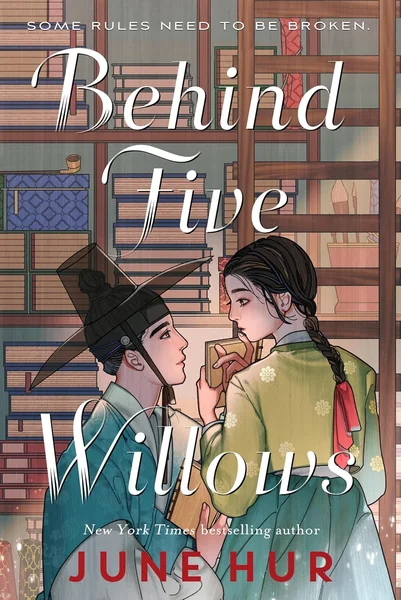
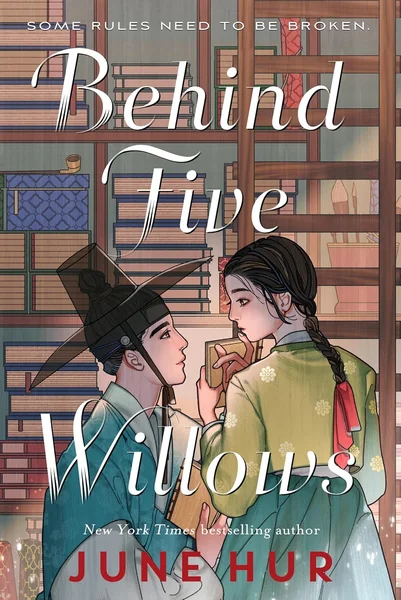
Behind Five Willows is June Hur's Jane Austen–inspired young adult historical romance set in Joseon Dynasty Korea, following two young book lovers who defy a royal ban on fiction and find themselves irresistibly drawn together. An instant #1 New York Times bestseller, the novel has drawn starred praise from Booklist, which called it "an instant classic." Critical coverage describes it as a slow-burn, book-themed romance best suited to patient readers of character-driven stories.
LuvemBooks Verdict
Best for
Readers who love Austen-style slow-burn romance and are drawn to stories where the act of reading itself becomes an act of rebellion — especially those curious about Joseon Korea or who enjoy the emotional texture of K-drama storytelling.
Worth it if
You relish the gradual unravelling of a pride-and-prejudice dynamic set against genuine political stakes — a 1792 royal ban on fiction — and want a romance that treats books as both contraband and love language.
Skip if
You came to this book off the back of Hur's darker, thriller-adjacent Joseon titles and are expecting that same propulsive pace — the deliberate slow-burn here is a tonal shift that will require recalibrating expectations.
What readers & critics say
Booklist awarded a starred review (as cited on us.macmillan.com), praising the "absorbing plot, exquisite attention to detail, and breathtaking romance" and calling it "an instant classic," while dearauthor.com concluded it was a worthy YA Joseon take on Pride and Prejudice with effective government-censorship stakes, awarding it a B+ grade.
Sources: Macmillan (citing Booklist starred review), Dear Author, Rich in Color, katfromminasmorgul.comAsk LuvemBooks
Was this helpful?
- Is it worth reading?
- Behind Five Willows arrives with substantial critical validation: a #1 New York Times bestseller debut and a starred Booklist review calling it "an instant classic" with "an absorbing plot, exquisite attention to detail, and breathtaking romance." The novel is particularly well-suited to readers who relish the Austen-style structure of accumulating misapprehensions and a carefully deferred emotional payoff. The key caveat is pacing — critical coverage is candid that the slow-burn tempo suits patient, character-driven readers, and those seeking faster plotting may find the tempo demanding.
- Similar books
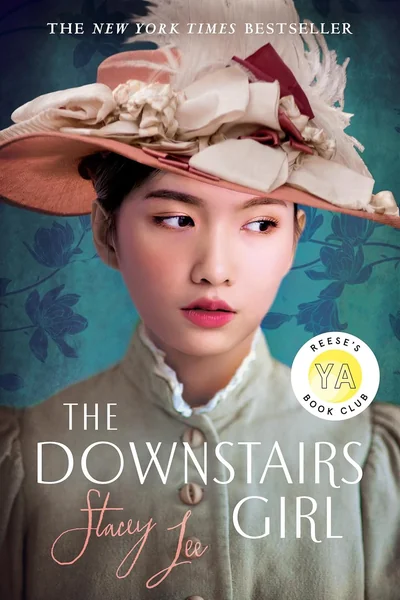
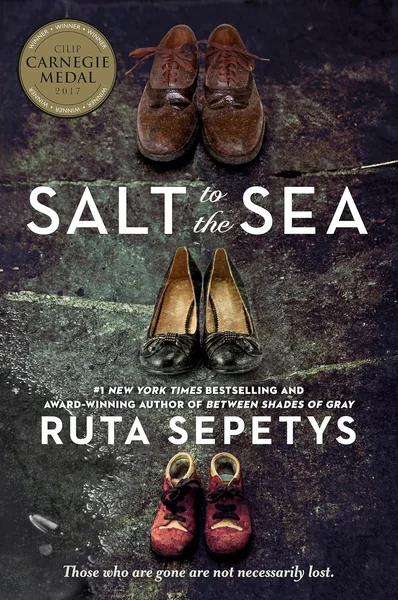
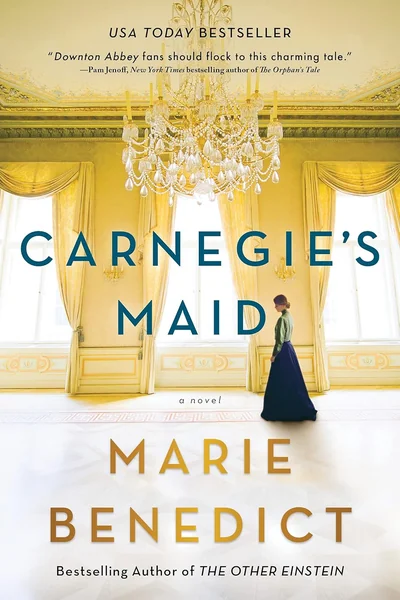
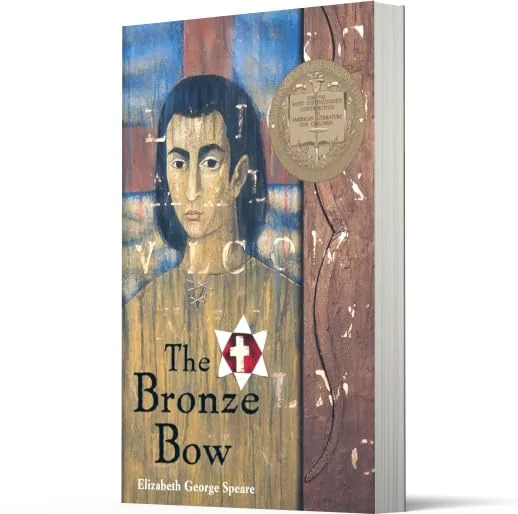
- Readers drawn to Behind Five Willows may find comparable pleasures in several nearby titles. Stacey Lee's The Downstairs Girl similarly blends historical setting, a resourceful young woman operating under a pseudonym, and social class dynamics — making it a natural companion read. For historical fiction grounded in non-Western settings with strong emotional stakes, Ruta Sepetys's Salt to the Sea offers a similarly immersive approach to a specific historical moment. Marie Benedict's Carnegie's Maid shares the appeal of a determined young woman navigating a stratified world through her wits and quiet influence. Marie Bostwick's The Book Club for Troublesome Women will resonate with readers drawn to the book-love thematic thread, while Elizabeth George Speare's The Bronze Bow offers another example of YA historical fiction where political and personal stakes intertwine.
- Who should read this?
- Behind Five Willows is squarely designed for a YA audience (published with a recommended reading age of 13–18), though critical coverage notes its appeal extends comfortably to adult readers — Booklist's genre note is "Historical romance. 14-adult." The ideal reader is patient with slow-burn romantic structures, drawn to the Austen-style pride-and-prejudice dynamic, and interested in Korean historical settings or K-drama storytelling conventions. It's also a particularly strong match for self-described book lovers: the novel treats reading itself as a form of rebellion, and the clandestine bookshop Five Willows is central to both the plot and the emotional texture.
- What age is it for?
- Best for readers ages 14 and up. Published by Feiwel & Friends with a recommended reading age of 13–18, the novel is designed squarely for a YA audience, and Booklist's genre note of "Historical romance. 14-adult" reflects the romantic complexity and historical nuance that suit more confident teen readers and adults. The slow-burn Austen-style structure and layered political backdrop reward readers with the patience for character-driven storytelling.
- How does this compare to Hur's earlier novels?
- June Hur's earlier Joseon-set novels — The Silence of Bones, The Forest of Stolen Girls, The Red Palace, and A Crane Among Wolves — established her as a New York Times-bestselling author with a focus on Korean history and darker, thriller-adjacent storytelling. Behind Five Willows marks a deliberate tonal shift: it is framed explicitly as a romantic homage to Jane Austen, warmer in register and more focused on emotional slow-burn than on mystery or menace. Critical coverage notes that fans of the earlier titles may need to recalibrate expectations, but positions this shift as a meaningful evolution rather than a departure from Hur's core strengths.
- What role does censorship play in the story?
- Censorship is the political engine of the entire novel. The story is set against King Jeongjo's documented 1792 reinforcement of a royal ban on fiction in Joseon Korea — a specific historical event that transforms the act of reading, writing, and lending books into genuine acts of defiance with real legal and personal stakes. Shin Haewon risks her safety by transcribing forbidden novels under the pseudonym "Magpie," while Yu Seojun's devotion to writing puts him at odds with the world his government-official father represents. Critical coverage notes that the novel treats reading itself as a form of rebellion, giving the romance a political dimension that sets it apart from purely domestic Austen-style stories.
Summarize this book
Follow up
Synthesized from verified book data & published reviews · How we review
Press Enter to ask. Answers come from our editorial Q&A — start typing to see related questions.
Age & Reading Level
Recommended age
Ages 12–18
Reading level
Young adult
Best for: Ages 14+ — romantic complexity, layered political stakes, and the Austen-style slow-burn structure suit confident teen readers and older
Skip if you prefer fast-paced, plot-driven historical fiction over slow-burn, character-driven romance
Our Review
What the Novel Is and What It Does
Its Place in Hur's Body of Work and the Genre
Critical Reception and Strengths
The Slow-Burn Pacing: A Deliberate Choice With Trade-Offs
Who This Book Is Designed For
Sources & Further Reading
The key facts and claims in this review are grounded in the retrieved, verified sources listed below.
- Cited in this review
- 1
dinipandareads.com
- 2
bookwormforkids.com
- 3
us.macmillan.com
- Further reading
- 4
kirkusreviews.com
- 5
junehur.com
- 6
richincolor.com
- 7
dearauthor.com
- 8
eaterofstories.com
- 9
penguinrandomhouse.com
Books like Behind Five Willows
Curated picks for readers who enjoyed Behind Five Willows, with our reasoning for each match.
If you liked Behind Five Willows