9 min read
4.7
· 8,152 Amazon ratingsShare This Review

Our review
The Wee Free Men
The Wee Free Men by Terry Pratchett Review: A Sharp, Funny, and Surprisingly Dark Children's Fantasy
The Wee Free Men is a comic fantasy novel by Terry Pratchett and the first book in the Tiffany Aching sequence of the Discworld series, following a pragmatic nine-year-old girl who must venture into a nightmare Fairyland to rescue her kidnapped brother, aided by a clan of tiny, brawling, Scots-speaking pictsies. It earns attention for fusing genuine wit, layered symbolism, and a protagonist whose uncommon sense makes her one of Pratchett's most distinctive creations.

 Tap to enlarge
LuvemBooks Verdict
Best for
Readers aged ten and up — whether newcomers to Discworld or returning fans — who want a fantasy adventure that pairs boisterous comic invention with genuine emotional and thematic depth, and who are happy to meet one of Pratchett's sharpest, most practically minded protagonists in the first chapter of her complete five-book arc.
Worth it if
Worth reading if you want a comic fantasy that works on multiple levels at once — delivering chaotic, laugh-out-loud humour through the Nac Mac Feegle while also exploring duty, the nature of reality, and what magic actually costs, all without requiring any prior knowledge of the Discworld series.
Skip if
Skip it if you find dense invented dialect a barrier to reading (the Nac Mac Feegle speak in a Pratchett-constructed Scots brogue throughout), or if you are buying for a child younger than ten, given the level of violence Common Sense Media flags as a consideration.
What readers & critics say
Kirkus Reviews praises the book's "unrelenting drama" and "ironic humor," singling out Tiffany's inheritance of "First Sight and Second Thoughts" and the Wee Free Men's "robust enthusiasm for stealing, fighting, and drinking" as highlights of an unusually strong cast. Common Sense Media recommends it for readers ten and older, describing Tiffany as "a girl of uncommon sense" and noting that the Nac Mac Feegle, whenever on stage, make the story "sizzle with wit and invention," while flagging the violence level as a consideration for younger children. Fantasy Literature observes that Pratchett's humour — shaped by his admiration for P. G. Wodehouse — "shines throughout," but that "serious undertones for both younger and older readers to ponder" run beneath the comic adventure, with characters facing hard choices and reckoning with their consequences.
“Tiffany, with only a frying pan for a weapon, is caught in the middle — the baby's rescue accomplished with unrelenting drama and large servings of Pratchett's ironic humor.”
— Kirkus Reviews“Tiffany is a girl of uncommon sense who prefers witches to smug princes and smirking princesses who didn't have the sense of a beetle.”
— Common Sense MediaPreview the book
Ask LuvemBooks
Was this helpful?
- Is it worth reading?
- For readers who enjoy comic fantasy with genuine depth, The Wee Free Men is a compelling choice. Tiffany Aching is one of Pratchett's most sharply drawn protagonists — defined by practicality and scepticism rather than conventional fantasy-heroine tropes — and the Nac Mac Feegle bring a sustained comic energy that, as Common Sense Media notes, makes the story 'fairly sizzle with wit and invention' whenever they appear. Fantasy Literature observes that serious undertones run beneath the adventure, ensuring the book does not read as a simplified version of Pratchett's world. The key caveat is that the Nac Mac Feegle's dense Scots-derived dialect may slow some younger readers.
- Similar books
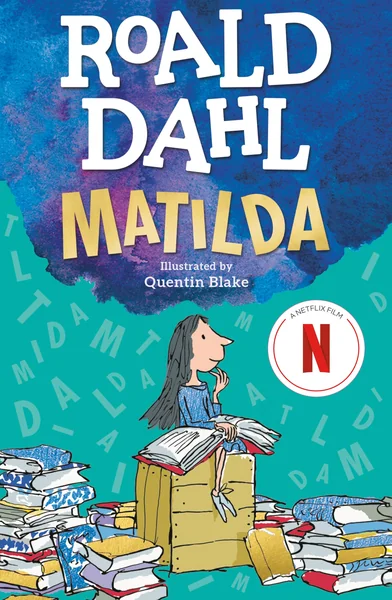
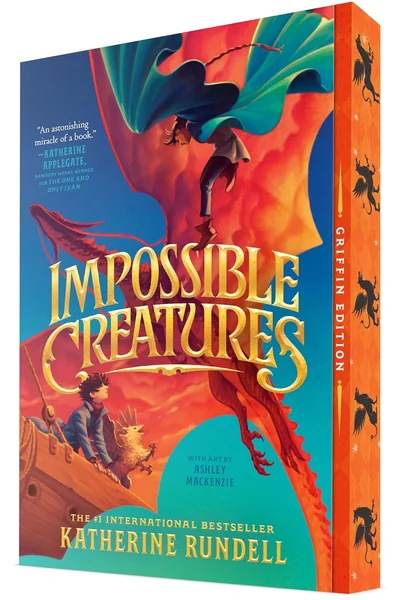
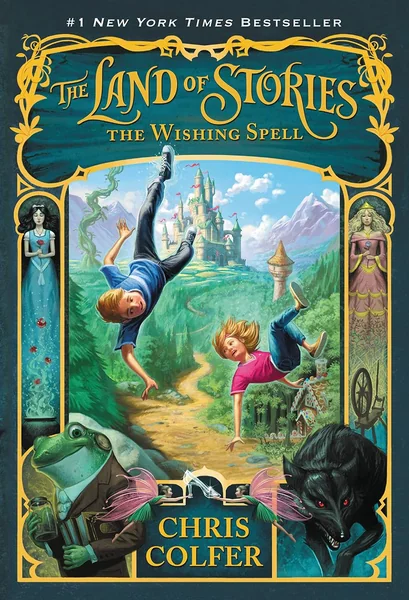
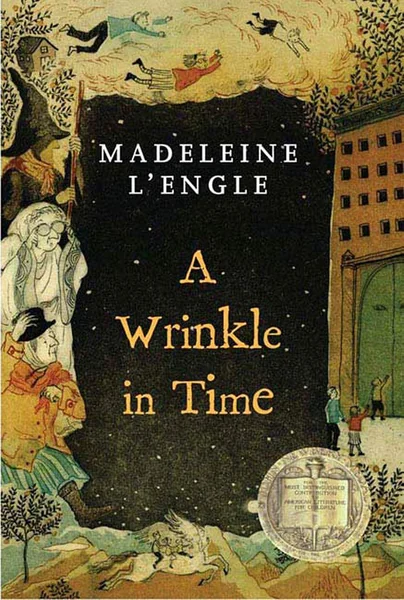
- Readers who enjoy The Wee Free Men often connect with other fantasy novels featuring resourceful young protagonists navigating imaginative worlds. Roald Dahl's Matilda shares the spirit of a sharp, unconventional child outwitting adults and supernatural forces. Katherine Rundell's Impossible Creatures is a recent comparable — a sweeping, witty fantasy adventure with layered world-building. Madeleine L'Engle's A Wrinkle in Time similarly sends a practical young heroine into a strange and threatening realm to rescue a family member. Chris Colfer's The Wishing Spell and Katherine Paterson's Bridge to Terabithia round out the nearby cards — the latter particularly for readers drawn to stories where childhood imagination intersects with genuinely hard emotional truths.
- Who should read this?
- The Wee Free Men is ideal for confident middle-grade readers who enjoy comic fantasy with more substance than spectacle — particularly those who prefer unconventional protagonists over standard fairy-tale heroes. It is also a natural recommendation for adult Discworld fans who have not yet explored the Tiffany Aching sequence, and for parents seeking a read-aloud that genuinely rewards the adult reader alongside the child. Those who appreciate P. G. Wodehouse-influenced wit, layered symbolism, and satirical moral architecture will find Pratchett operating in full form here.
- What age is it for?
- Best for ages 10 and up. The book is designed for readers aged nine and older based on its protagonist and reading level, but Common Sense Media recommends it for ten and older, citing violence as a consideration for younger children. The Nac Mac Feegle's dense Scots-derived dialect also suits more confident readers, and the story's layered symbolism and serious undertones — including a Fairyland where nightmares become real — add depth that younger children may find unsettling.
- About Terry Pratchett
- Terry Pratchett was a beloved British fantasy author best known for the Discworld series. Celebrated for his satirical wit, he sold over 85 million books worldwide.
- What are the main themes?
- Beneath the comic adventure, The Wee Free Men explores what is genuinely real and valuable, the nature of magic, and the relationship between dream and reality — Fairyland is a place where the line between the two dissolves and a person can be trapped in a dream forever. The book's moral architecture carries a satirical edge: Miss Tick's advice to Tiffany pointedly skewers inspirational platitudes, suggesting that trusting yourself and following your star still leaves you beaten by those who actually worked hard and learned things. Fantasy Literature notes that characters face hard choices and must reckon with their consequences, and Pratchett's recurring preoccupations with death and duty — familiar from the adult Discworld novels — are present here too.
- How does it compare to the adult Discworld novels?
- Pratchett labelled The Wee Free Men a 'Story of Discworld' to distinguish it from the thirty-plus adult novels in the series, but the editorial consensus is that the divide is a publisher's category more than a true measure of depth. The same satirical intelligence, recurring preoccupations with death and duty, and layered symbolism are present here — simply aimed through a different lens. Readers familiar with the adult novels, including titles such as The Colour of Magic, Soul Music, or Eric, will recognise Pratchett's voice operating at full power.
Summarize this book
Follow up
Synthesized from verified book data & published reviews · How we review
Press Enter to ask. Answers come from our editorial Q&A — start typing to see related questions.
Our Review
What the Book Is and What Happens
Place in the Discworld Series and Its Significance
Where the Book Excels
Serious Undertones Beneath the Comedy
Who It's For and What to Consider
Sources & Further Reading
The key facts and claims in this review are grounded in the retrieved, verified sources listed below.
- Cited in this review
- 1
wiki.lspace.org
- Further reading
- 2
Terry Pratchett, Wikipedia
- 3
en.wikipedia.org
- 4
terrypratchettbooks.com
- 5
- 6
patricktreardon.com
- 7
agreenmanreview.com
- 8
fantasybookreview.co.uk
- 9
thelibraryladies.com
- 10
commonsensemedia.org
- 11
theturtlemoves.com
Age & Reading Level
Recommended age
Ages 8–12
Reading level
Middle grade
2 content notes · who it suits
Content to know about
Best for: Ages 10+ — layered symbolism, serious undertones, and violence make it best suited to confident readers ten and older, in line with Common Sense Media's recommendation.
Skip if you want a gentle, cosy fairy-tale adventure with no dark undertones or comic subversion of fantasy conventions.
Reader reviews
Be one of the first readers to answer.
Read it? Was it right for you?
Books like The Wee Free Men
Curated picks for readers who enjoyed The Wee Free Men, with our reasoning for each match.


If you liked The Wee Free Men