8 min read
4.4
· 5,960 Amazon ratingsShare This Review

Our review
Eric
Eric (Discworld Novel 9) by Terry Pratchett Review: A Brief, Parodic Discworld Romp
Eric is Pratchett's compact, Faust-skewering ninth Discworld novel, reuniting the hapless wizard Rincewind with a fourteen-year-old demonology hacker whose three wishes send them careening through time, mythology, and the dawn of creation — a slim but sharp satirical comedy with a genuinely divided reception.
LuvemBooks Verdict
Best for
Existing Discworld fans — particularly those already fond of Rincewind — who want a fast, funny, mythologically irreverent audiobook listen with a standout three-narrator cast (Colin Morgan, Peter Serafinowicz, and Bill Nighy).
Worth it if
You've already met Rincewind in The Colour of Magic or The Light Fantastic and are happy to treat this as a compact comic interlude rather than a full-weight Discworld novel.
Skip if
You're new to Discworld, prize plot density and deeper satirical ambition, or are hoping for something on a par with Pratchett's richer later novels — the book's origins as an illustrated novelette leave it noticeably slimmer than its neighbours in the series.
What readers & critics say
Reception has been genuinely divided: Wikipedia's entry on the novel records that science fiction editor Gardner Dozois called it "downright bad, the only Discworld book he actively disliked." Fantasy Literature (rating it 3.5) notes the text is "more simplistic than is usual for Pratchett" because it was originally intended as a showcase for Josh Kirby's illustrations, and that later editions without those illustrations worsened the book considerably.
Sources: Wikipedia – Eric (novel), Fantasy LiteratureAsk LuvemBooks
Was this helpful?
- Is it worth reading?
- For established Discworld fans — particularly those already invested in Rincewind from The Colour of Magic and The Light Fantastic — Eric offers a fast, funny detour with sharp satirical targets and an unusually strong audiobook cast. However, its reception is genuinely divided: genre editor Gardner Dozois called it "the only Discworld book he actively disliked and found a chore to read," and many readers find its brevity unsatisfying as a standalone work. Those who prize plot density or the deeper satirical ambition of Pratchett's later Discworld novels may find it insubstantial, while those after a nimble, mythologically irreverent romp will find it punches at a reasonable clip within its under-four-hour runtime.
- Similar books
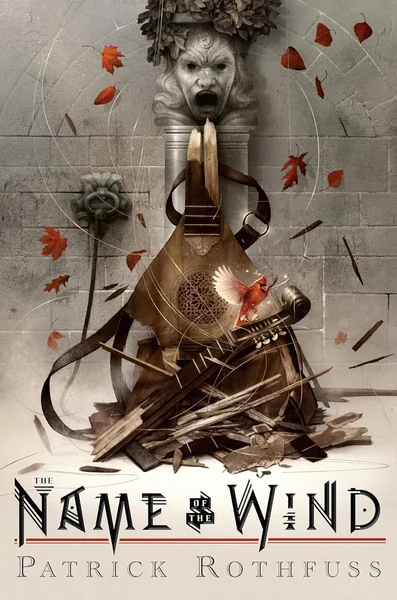
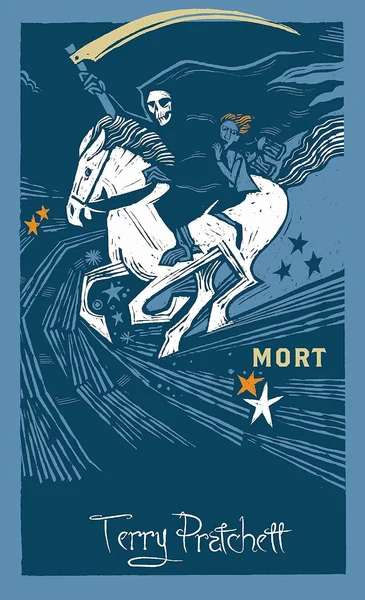
- Readers drawn to Eric's comic mythology-skewering will find more Pratchett in the same vein with Mort — another self-contained Discworld novel that parodies a grand mythological concept (Death itself) with the same irreverent wit. For Faustian bargains told with a literary twist, V.E. Schwab's The Invisible Life of Addie LaRue and Alix E. Harrow's The Everlasting both explore deals with dark powers across sweeping timescales. Patrick Rothfuss's The Name of the Wind offers a very different register — a richly constructed epic fantasy — but will appeal to readers who want more depth and scale after Eric's compact runtime.
- Who should read this?
- Eric is best suited to existing Discworld readers who are already familiar with Rincewind from The Colour of Magic and The Light Fantastic — that backstory adds significantly to the comedy. Fans of literary parody, particularly those with some familiarity with the Faust legend and Homeric epic, will get the most from its satirical targets. Those approaching it via the audiobook format will find the three-narrator cast of Colin Morgan, Peter Serafinowicz, and Bill Nighy a particular draw. Readers new to Discworld, or those who prefer longer, plot-dense fantasy novels, are better served starting elsewhere in the series.
- About Terry Pratchett
- Terry Pratchett was a beloved British fantasy author best known for the Discworld series, celebrated for his satirical wit and having sold over 85 million books worldwide.
- What are the main themes?
- Eric's satirical targets are unusually wide for such a short book: it deflates the grandeur of the Faust legend (the deal with the devil, the three wishes, the promise of forbidden knowledge), skewers Homeric epic conventions, and takes aim at the mechanics of cosmological creation myths — all through the lens of Rincewind's constitutional cowardice as the engine of the plot. A recurring Pratchettian theme is the comedy of incompetence meeting grand mythology: neither Eric's ambitions nor the universe's big moments survive contact with Rincewind's instinct for survival over heroism.
- Where should I start with Discworld?
- LuvemBooks is clear that Eric is not the right entry point for Discworld newcomers — prior familiarity with Rincewind's backstory from The Colour of Magic and The Light Fantastic adds significantly to the comedy. For readers new to the series, those two novels establish the Rincewind dynamic that Eric builds on. Mort is also widely regarded as an accessible, self-contained starting point for the series, offering a similar comic mythological structure without the prerequisite character history.
- What format or edition is this?
- The edition under review is the audiobook released by Transworld Digital on July 7, 2022, with a listening length of three hours and fifty-eight minutes. It features a three-narrator cast — Colin Morgan, Peter Serafinowicz, and Bill Nighy — well suited to the novel's theatrical, dialogue-driven comedy. The book was originally published in 1990 under the title Faust Eric in a larger illustrated format featuring artwork by Josh Kirby; later editions, including this audiobook, do not include those illustrations.
Summarize this book
Follow up
Synthesized from verified book data & published reviews · How we review
Press Enter to ask. Answers come from our editorial Q&A — start typing to see related questions.
Our Review
What the Book Is and What It Contains
Publication History and Format
Strengths: Satirical Wit and Cast Quality
Reception: Divided and Notably Short
Who This Is For
Sources & Further Reading
The key facts and claims in this review are grounded in the retrieved, verified sources listed below.
- Cited in this review
- 1
en.wikipedia.org
- 2
tldr.business-english-success.com
- 3
thefrumiousconsortium.net
- Further reading
- 4
Terry Pratchett, Wikipedia
- 5
- 6
Open Library
Age & Reading Level
Recommended age
Adult
Reading level
Adult
Tropes
From how readers and romance sites describe it, not our own reading.
who it suits
Skip if you want a full-length, plot-dense Discworld novel rather than a compact comic interlude.
Reader reviews
Be one of the first readers to answer.
Read it? Was it right for you?
Books like Eric
Curated picks for readers who enjoyed Eric, with our reasoning for each match.
More by Terry Pratchett
If you liked Eric