8 min read
Share This Review
Our review
A Wizard of Earthsea
A Wizard of Earthsea by Ursula K. Le Guin Review: A Foundational Fantasy Classic That Endures
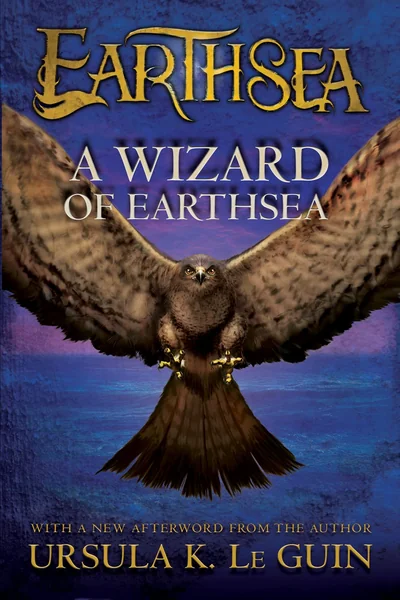
A Wizard of Earthsea is the first book in Ursula K. Le Guin's Earthsea Cycle, following Ged — a gifted young mage from the island of Gont — whose pride triggers a catastrophic magical duel that unleashes a shadow creature he must then hunt across a vast archipelago. Regarded as a classic of both children's literature and fantasy, it won the Boston Globe–Horn Book Award in 1969 and drew Margaret Atwood's praise as one of the "wellsprings" of the genre.
LuvemBooks Verdict
Best for
Readers aged ten and up who want fantasy with genuine philosophical weight — particularly those drawn to coming-of-age stories centred on hubris, responsibility, and the nature of one's own darkness, grounded in Taoist ideas of balance.
Worth it if
Worth reading if you want a foundational fantasy novel that operates with the formal ambition of an epic poem, offering a complete standalone arc alongside documented influence on the wider genre from Margaret Atwood to David Mitchell.
Skip if
Skip it if you primarily want fast-paced, action-driven adventure fantasy, as the deliberate, measured pacing — central to Le Guin's achievement here — is a consistent feature, not a flaw to be overlooked.
What readers & critics say
Wikipedia describes the novel as "regarded as a classic of children's literature and of fantasy, within which it is widely influential," noting its epic-poem structure and Taoist themes. Bookreporter.com situates it alongside Tolkien and Lewis as a beloved classic, arguing its allegorical depth gives it appeal well beyond genre enthusiasts.
“YOU SHOULD READ THIS BOOK — it's fantastic, enjoyable, and everyone and their mother should read it.”
— LitReactorAsk LuvemBooks
Was this helpful?
- Is it worth reading?
- For readers drawn to fantasy with genuine moral weight, A Wizard of Earthsea is widely regarded as essential. Wikipedia's reception summary describes it as 'regarded as a classic of children's literature and of fantasy, within which it is widely influential,' and Margaret Atwood called it one of the 'wellsprings' of the genre. Critic Amanda Craig went further, describing it as 'the most thrilling, wise, and beautiful children's novel ever.' Its influence on the broader fantasy genre — from the concept of true names to the epic-poem structure — is extensively documented, and novelist David Mitchell cited it as a strong influence on his own work.
- Similar books
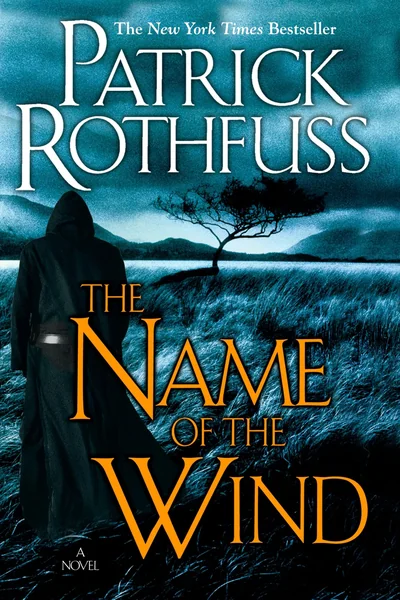
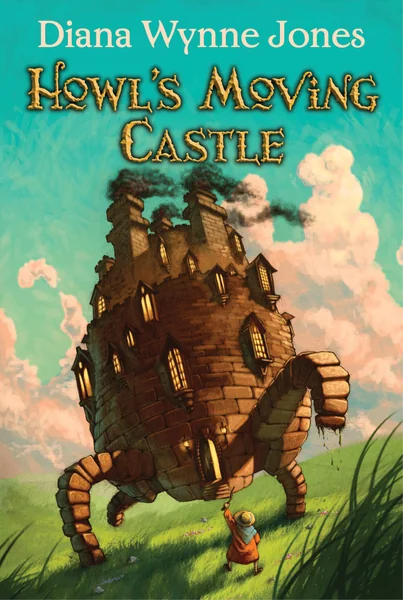
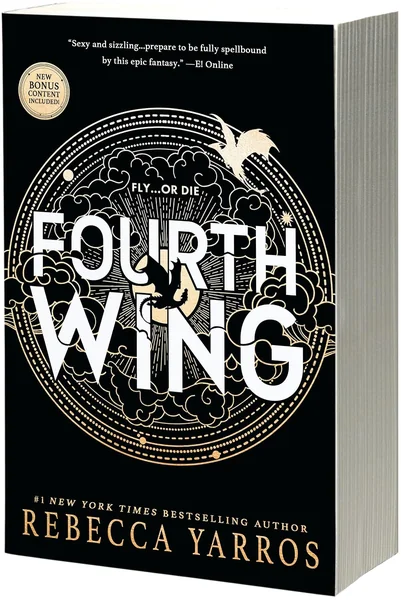
- Readers who respond to A Wizard of Earthsea's blend of magic, moral depth, and coming-of-age structure have several strong next reads. The Name of the Wind by Patrick Rothfuss shares the school-of-wizardry premise and a gifted, prideful protagonist — though its pacing is considerably more propulsive. Equal Rites by Terry Pratchett is another classic that interrogates magic and gender with wit and philosophical bite. For those drawn to dragon-centred epic fantasy with a modern sensibility, Fourth Wing by Rebecca Yarros offers a popular contemporary entry point. Also closely related are Le Guin's own sequels: The Tombs of Atuan continues Ged's world directly, and Howl's Moving Castle by Diana Wynne Jones shares the same spirit of inventive, humane fantasy.
- Who should read this?
- Readers drawn to fantasy with genuine philosophical weight — questions of pride, responsibility, hubris, and the nature of one's own darkness — will find A Wizard of Earthsea especially rewarding. It is equally valued by adult fantasy readers and younger readers aged ten and up, and it has a documented history of growing with its audience across re-reads. Fans of the broader genre who want to understand the 'wellsprings' of modern fantasy — as Margaret Atwood described it — will find the novel indispensable.
- What age is it for?
- Best for ages 10 and up — the publisher's own recommendation, and a reasonable guide given the novel's abstract philosophical themes (balance, hubris, mortality) and its epic-poem-style prose, which suit confident readers at that level and above. The story carries no graphic violence or content that would concern most parents of readers in that range, and its depth makes it a novel that rewards re-reading well into adulthood.
- About Ursula K. Le Guin
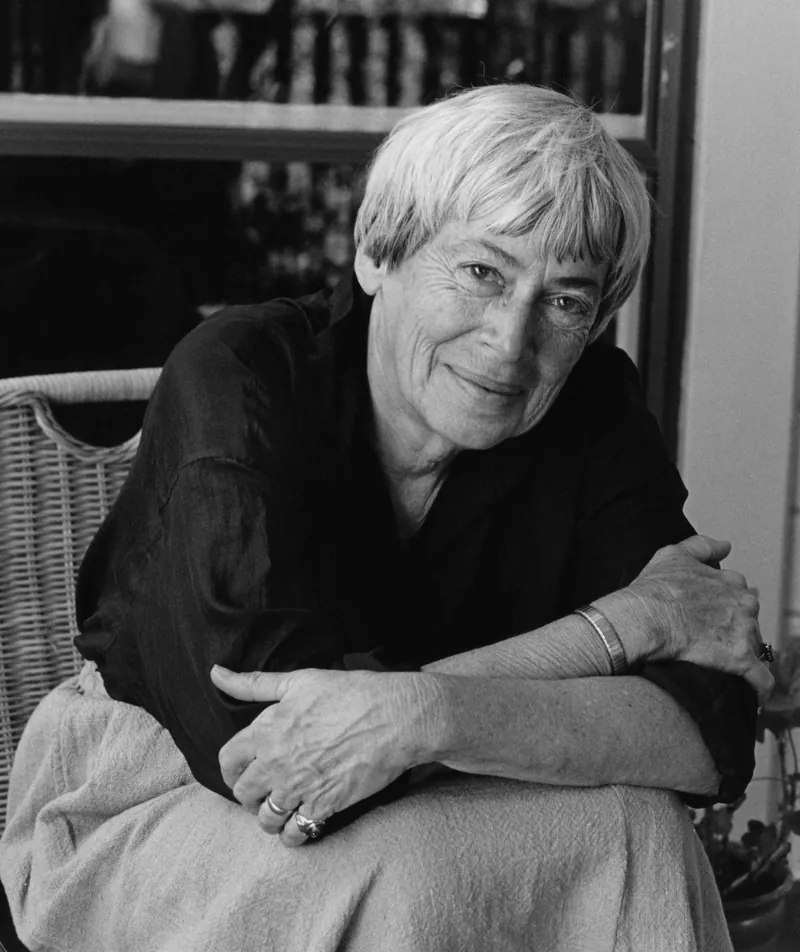
- Ursula Kroeber Le Guin was an American author.
- What's this book about?
- A Wizard of Earthsea follows Ged, born to a bronze-smith on the island of Gont, who discovers extraordinary magical talent and eventually enrols in a school of wizardry on Roke. There, his pride draws him into a reckless magical duel that tears open a rift, unleashing a shadow creature that attacks him and escapes into the world. The rest of the novel follows Ged's pursuit of — and flight from — that creature across the archipelago of Earthsea, a journey that becomes as much a philosophical reckoning with hubris and balance as it is a physical quest. It is the first book of the Earthsea Cycle and stands as a complete, self-contained story.
- Who is it for?
- A Wizard of Earthsea is for readers — younger and adult alike — who want fantasy that carries genuine philosophical and moral weight. Its Taoist themes of balance, hubris, and mortality give it unusual depth for the genre, and its influence on writers from David Mitchell to critics like Margaret Atwood marks it as essential reading for anyone serious about understanding how modern fantasy developed. Readers looking for lighter or faster-paced adventure will find the deliberate, epic-poem-style pacing a significant adjustment.
- What are the main themes?
- A Wizard of Earthsea is structured around Taoist themes of balance, power, and mortality. Wizards in Earthsea bear responsibility for maintaining a fundamental equilibrium in the universe — a responsibility Ged violates through hubris, setting the novel's entire arc in motion. The coming-of-age journey is therefore not merely about adventure but about learning to cope with power and come to terms with one's own mortality and capacity for darkness.
- Who wrote it?
- A Wizard of Earthsea was written by Ursula Kroeber Le Guin, an American author. The novel was first published in 1968 and is the opening volume of her Earthsea Cycle. Le Guin's approach to fantasy — grounded in ecological and Taoist philosophy rather than the Christian allegory more common among her peers — was characterized by critic Robert Scholes in 1974 as distinctively her own, and the novel's influence across the genre has been documented by critics, fellow novelists, and filmmakers alike.
- What format or source is it?
- A Wizard of Earthsea is a novel, first published in 1968. It is the opening book of the Earthsea Cycle and is widely available in print, e-book, and audiobook formats. The publisher recommends it for readers aged ten and up, and it has remained continuously in print for more than five decades — a testament to its enduring place in the fantasy canon.
Summarize this book
Follow up
Synthesized from verified book data & published reviews · How we review
What would you like to know about A Wizard of Earthsea?
Answers come from our editorial notes on this book. If we haven't covered something, we'll say so.
Readers often ask
Our Review
We review the evidence: published reviews and reader verdicts, gathered and weighed with AI assistance and edited by LuvemBooks, rather than one reader's first-hand take.
What the Story Is
Its Place in the Genre
What Le Guin Does Distinctively
Its Significance and Awards
Who It Is For and Where It Fits
Sources & Further Reading
The key facts and claims in this review are grounded in the retrieved, verified sources listed below.
- Cited in this review
- 1
- Further reading
- 2
Ursula K. Le Guin, LuvemBooks
- 3
- 4
Open Library
- 5
en.wikipedia.org
- 6
ursulakleguin.com
- 7
litreactor.com
- 8
thischickreads.com
- 9
- 10
Age & Reading Level
Our age band
Ages 10+
Reading level
Middle grade
Amazon listing
Ages 10+ (set by customers) · Grade 7–9
Our age band groups books for browsing; it isn't an age a review gave.
2 content notes · who it suits
Content to know about
Best for: Ages 10+ — abstract philosophical themes (balance, hubris, mortality) and epic-poem-style prose suit confident readers at this level and above.
Skip if you're looking for fast-paced adventure fantasy with light moral stakes.
Reader reviews
No LuvemBooks readers have answered yet.
Read it? Was it right for you?
Books like A Wizard of Earthsea
Curated picks for readers who enjoyed A Wizard of Earthsea, with our reasoning for each match.

More by Ursula K. Le Guin

If you liked A Wizard of Earthsea