BOOKS
Published

Read Time

4 min read

Curated & edited by

LuvemBooks Editorial

How we create our reviews →
Share This Review

Homebody: A Guide to Creating Spaces You Never Want to Leave by Joanna Gaines Review: A Practical, Room-by-Room Design Blueprint

Joanna Gaines's Homebody is a #1 New York Times bestselling interior design guide published by Harper Design that walks readers room by room through the process of identifying their authentic style and translating it into a home that reflects who they are — complete with a fold-out planning section designed for hands-on use.

LuvemBooks Verdict

Best for

Homeowners or renters actively working through a decorating or renovation project who want a structured, room-by-room guide that combines visual inspiration with self-assessment prompts and a built-in planning tool.

Worth it if

You have a specific space to tackle and want a practical, navigable reference that prompts you to interrogate your own taste rather than simply admire finished rooms.

Skip if

You're looking for technical or architectural instruction, or you approach the book without an active decorating project — its value is most apparent when applied to a concrete task at hand.

What readers & critics say

Reader response, as reflected across StoryGraph reviews retrieved from app.thestorygraph.com and beta.thestorygraph.com, is broadly enthusiastic: readers highlight the book's balance of functionality and aesthetics, its authentic personal tone, and Gaines's transparency about her own design thought process. Barbara Lee Harper's review at barbaraleeharper.com praises Gaines's philosophy of designing for people rather than perfection, while naturallytimeless.net describes it as "an interior designer's paradise" with an impressive depth of well-explained knowledge.

Sources: The StoryGraph, The StoryGraph (beta), Barbara Lee Harper, Naturally Timeless
4.8from 12,162 Amazon ratings— reader ratings, not a LuvemBooks score

Look inside the book

Preview the actual pages, via Google Books
In This Review
  • What Works & What Doesn't
  • What the Book Is and What It Sets Out to Do
  • Scope, Structure, and the Fold-Out Planning Tool
  • Reception and Place in the Design Genre
  • Where the Book Excels
  • Genuine Limitations and Who May Be Frustrated

What Works & What Doesn't

What Works
  • Debuted as an instant #1 New York Times bestseller, reflecting wide market validation at launch
  • Room-by-room structure makes the book a navigable, ongoing reference rather than a single cover-to-cover read
  • Includes a fold-out planning section at the back, designed for readers to sketch and take notes on their own spaces
  • Each chapter contains dedicated troubleshooting takeaways aimed at solving specific pain points per room
  • Gaines draws on her own past projects and personal design evolution, giving the guide a grounded, real-world perspective per reader accounts on The StoryGraph
What Doesn't
  • Readers without an active renovation or decorating project may struggle to engage with the material on first encounter — the book's utility is most apparent in applied context
  • Visual examples and aesthetic references are rooted in Gaines's signature style; readers with strongly divergent tastes may find the range of visual inspiration narrower than expected
  • The book operates at the level of personal style and atmosphere, not technical or architectural instruction — readers seeking construction-level guidance will need to look elsewhere
A room-by-room design guide from one of home décor's most recognizable voices, Homebody earns its #1 New York Times bestseller status by combining personal philosophy with structured, actionable guidance.

What the Book Is and What It Sets Out to Do

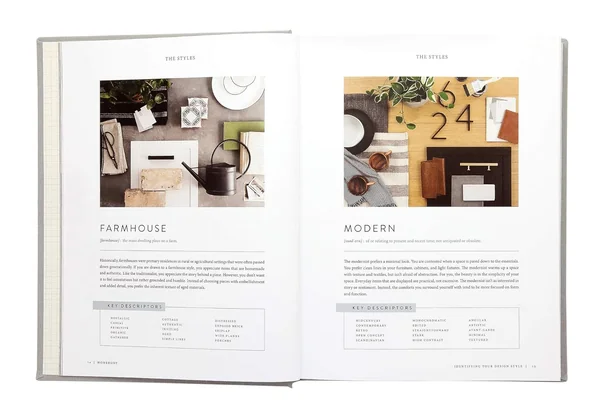
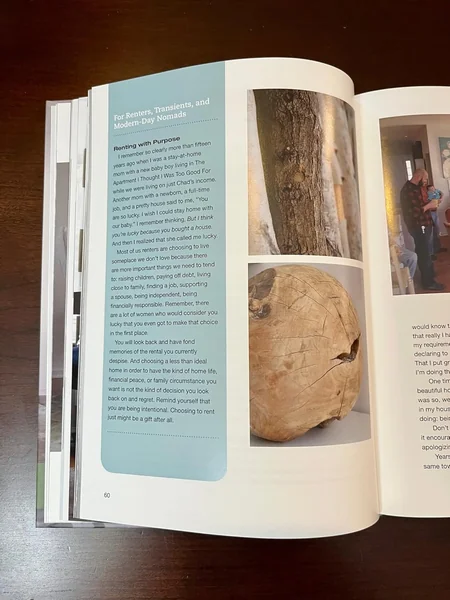
Interior spread showcasing two design styles—farmhouse and modern—with styled flat-lay photography and descriptive text for each aesthetic approach.
Homebody: A Guide to Creating Spaces You Never Want to Leave is an interior design guide by Joanna Gaines, published by Harper Design on November 6, 2018. Its stated purpose, as described by the publisher via Magnolia, is to walk readers through how to create a home that reflects the personalities and stories of the people who live there. Rather than prescribing a single aesthetic, the book is structured to help readers assess their priorities, instincts, likes, and dislikes — providing practical steps for navigating and embracing what Gaines calls an "authentic design style." The guide progresses room by room, examining how different design styles are expressed in each space and how to blend genres to produce results that feel distinctly personal.

Scope, Structure, and the Fold-Out Planning Tool

One of the book's defining structural features is its fold-out design guidebook, located at the back. According to the publisher's own description, this section gives readers a dedicated place to take notes and sketch out their own design plans as they move through each chapter. Each chapter also contains practical takeaways addressed at solving potential pain points in specific rooms. This layered structure — editorial guidance, visual reference, in-chapter troubleshooting, and a working planning tool — positions Homebody as a functional reference rather than purely a visual showcase. Some readers on The StoryGraph specifically highlight the troubleshooting pages and back layouts as standout features, noting they help with personalizing individual spaces.
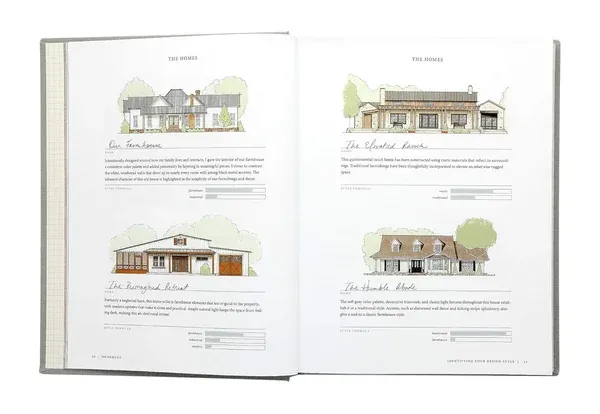
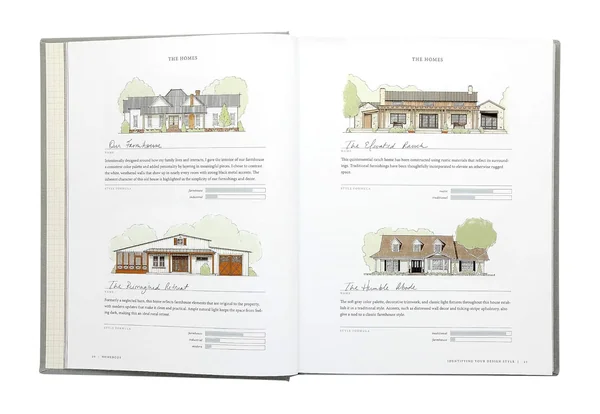
Interior spread showcasing four illustrated house styles with descriptive text, demonstrating functional design approaches for different home types.

Reception and Place in the Design Genre

Homebody debuted as an instant #1 New York Times bestseller, a distinction noted by both Barnes & Noble and multiple retail listings. That commercial reception places it among the most prominent home design releases of its era. Reader response, as reflected across StoryGraph reviews, is broadly enthusiastic: several readers describe the book as feeling authentic and personal while remaining applicable to a wide range of homes and budgets. Gaines's approach of sharing her own thought process on past projects — including how she has evolved spaces as her family has grown — is frequently cited as what distinguishes Homebody from more impersonal design manuals. Some readers who initially browsed the book casually and returned it later found, upon engaging with it more seriously during an actual renovation, that its value became apparent only with direct application.

Where the Book Excels

The book's core strength, per both the publisher's description and reader accounts, lies in its dual commitment to visual inspiration and guided self-assessment. Gaines structures the content so readers are not simply admiring completed rooms but are actively prompted to interrogate their own design preferences. The emphasis — noted by readers — on texture and plants as design elements gives the book a specific, tangible vocabulary. The room-by-room organization makes it navigable as an ongoing reference rather than a linear read. For readers in the middle of a renovation or decorating project, that navigability is a practical advantage. Some readers describe returning to specific chapters as new rooms come up for attention, which speaks to the book's design as a reference tool rather than a one-time read.

Genuine Limitations and Who May Be Frustrated

Homebody is not without its critics. Some readers who came to the book without an existing renovation project or a specific design problem to solve found it difficult to engage with on first pass — the book's value appears most clearly when there is a concrete task at hand. Readers strongly aligned with design aesthetics that differ markedly from Gaines's well-known farmhouse and transitional sensibilities may find that the visual examples, while extensive, skew toward a particular look. Those seeking highly technical guidance — structural advice, contractor-level specifications, or deep dives into architectural detailing — will find the book operates at the level of style, atmosphere, and personal taste rather than construction. The book is, at its core, a guide for homeowners and renters making decorating decisions, not a manual for builders or professional designers.

Sources & Further Reading

The key facts and claims in this review are grounded in the retrieved, verified sources listed below.

  1. Cited in this review
  2. 1
  3. 2
  4. Further reading
  5. 3

    Joanna Gaines, Wikipedia

  6. 4
  7. 5
  8. 6
  9. 7
  10. 8
  11. 9
  12. 10