7 min read
Share This Review
Our review
Macbeth
Macbeth (Folger Shakespeare Library) Review: Annotated Tragedy (William Shakespeare)
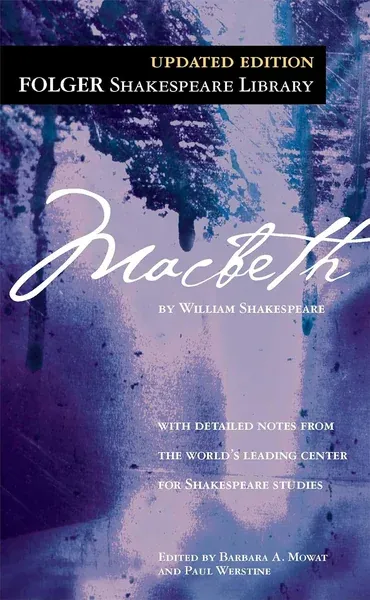
Macbeth, in this Folger Shakespeare Library mass market paperback, is Shakespeare's tragedy of a Scottish nobleman destroyed by ambition. The edition adds facing-page notes, scene summaries and an essay by Susan Snyder, and Bookclubs readers praise the play itself.
LuvemBooks Verdict
Best for
First-time readers and students meeting Shakespeare who want the complete text with help on the facing page, in a compact, school-friendly volume.
Worth it if
Worth reading if you want a tragedy of ambition and guilt that reads quickly and starts you off with Shakespeare, with notes on hand when the language gets tangled.
Skip if
Skip it if you want only the bare script or a lavishly illustrated gift volume, since the notes and summaries add bulk, and note that the reader reviews on hand praise the play rather than this edition's apparatus.
What readers & critics say
Reception of the play is positive: the book blogger behind Rebecca Reid's reviews enjoyed it as readable and chilling, and Bookclubs readers call it a favourite and a good way into Shakespeare. Nothing retrieved assesses this edition's notes directly, though the Rebecca Reid blogger praises a differently annotated edition as approachable if somewhat cluttered.
Sources: Rebecca Reid (book blog), BookclubsAsk LuvemBooks
Was this helpful?
- Is it worth reading?
- On the play, the reader reviews on hand are warm: Bookclubs readers return to ambition, guilt and Lady Macbeth, and one calls it their favourite Shakespeare. On this particular edition, the evidence is thinner. None of those readers comments on how the Folger notes and summaries work in practice, so the case for the apparatus rests on the publisher's description.
- Similar books
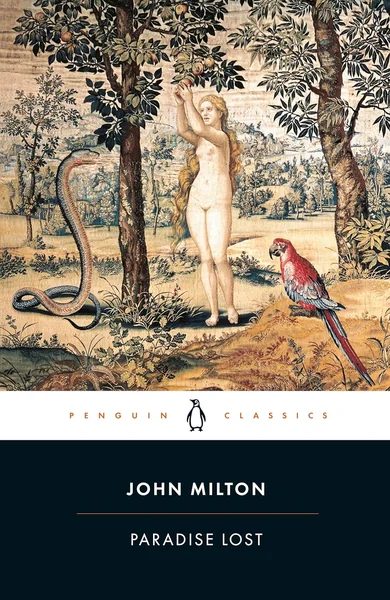
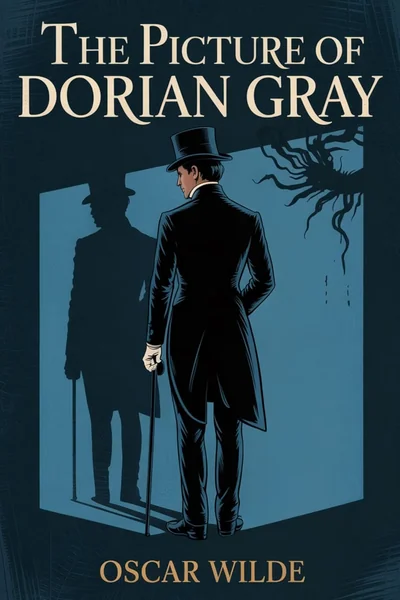
- For Shakespeare's other great tragedy of a mind under pressure, Hamlet is the natural companion, and one Bookclubs reader compares the two directly. Milton's Paradise Lost and Marlowe's Doctor Faustus both follow ambition and damnation on a grander or more theological scale. Oscar Wilde's The Picture of Dorian Gray carries the same theme of a man corrupted by what he chooses to want.
- Who should read this?
- This edition suits students and new readers of Shakespeare who want help with the language. It is listed for grades 7 to 12 and is also pitched at AP English Literature, college courses, performers and some reviewers. It suits a classroom or a bag thanks to its pocket size.
- What age is it for?
- The edition targets ages 12 to 17, grades 7 to 12, reflecting classroom use. The play is dark and gothic from start to finish, as one Bookclubs reader puts it, with murder and a haunted conscience at its centre. Younger readers will find the Early Modern English demanding even with the notes.
- About William Shakespeare
- William Shakespeare also wrote Twelfth Night, a comedy of mistaken identity and love set in the fictional duchy of Illyria, which shows his wit and linguistic playfulness through characters like Viola, who disguises herself. Macbeth shows the opposite side of his range, a tragedy rather than a comedy.
- How do the notes and summaries actually help?
- It includes explanatory notes on facing pages and a guide to the best-known speeches. That is a description of what is included, not proof of how well it works, since no reader review we found assesses the apparatus. The intent is clear, though: help with tangled language without leaving the text.
- Which scenes do readers single out?
- One Bookclubs reader singles out the "Out, damned spot!" scene as the passage that stayed with them. Another names Lady Macbeth as a lasting favourite, complex and corrupt yet haunted by what her urging set in motion. A third reads the play's meaning as a warning that the ambition for power is itself corrupting.
Summarize this book
Follow up
Synthesized from verified book data & published reviews · How we review
What would you like to know about Macbeth?
Answers come from our editorial notes on this book. If we haven't covered something, we'll say so.
Readers often ask
Our Review
We review the evidence: published critics, reader verdicts and BookTube reviews, gathered and weighed with AI assistance and edited by LuvemBooks, rather than one reader's first-hand take.
What happens in Macbeth (Folger Shakespeare Library)?
What does this Folger edition add to the play?
What do readers say about Macbeth?
Is Macbeth (Folger Shakespeare Library) worth reading?
Who is this mass market paperback for?
Sources & Further Reading
The key facts and claims in this review are grounded in the retrieved, verified sources listed below.
- Cited in this review
- 1
globalshakespeares.mit.edu
- Further reading
- 2
William Shakespeare, LuvemBooks
- 3
- 4
- 5
- 6
barnesandnoble.com
- 7
Rebecca Reid (book blog)
Age & Reading Level
Our age band
Ages 12+
Reading level
Young adult
Amazon listing
Ages 12–17 · Grade 7–12
Our age band groups books for browsing; it isn't an age a review gave.
4 content notes · who it suits
Content to know about
Best for: Ages 12+ — Early Modern English and dark tragic themes suit school-age readers with the notes as support
Skip if you want only the bare script without notes, or a hopeful story rather than a dark tragedy of ambition.
Reader reviews
Be one of the first readers to answer.
Read it? Was it right for you?
Books like Macbeth
Curated picks for readers who enjoyed Macbeth, with our reasoning for each match.

If you liked Macbeth