7 min read
4.8
· 1,214 Amazon ratingsShare This Review

Our review
Winnie the Pooh: The Classic Edition
Winnie the Pooh: The Classic Edition by A. A. Milne Review: A Timeless Collectible Gift Edition
Winnie the Pooh: The Classic Edition brings A. A. Milne's original collection of Hundred Acre Wood stories — illustrated by E. H. Shepard — to readers in a hardcover edition published by Sky Pony Press in 2022. The content is one of children's literature's most enduring treasures, and this edition is designed to appeal to both first-time readers and dedicated collectors.
LuvemBooks Verdict
Best for
Families welcoming a new baby, gift-givers seeking a keepsake edition, and readers who want to return to Milne's unabridged 1926 original — complete with E. H. Shepard's foundational illustrations — rather than any adapted or extended version.
Worth it if
Worth reading if you want to experience the original, unaltered source text behind one of children's literature's most enduring franchises — Milne's ten chapters of Hundred Acre Wood adventures as they first appeared in 1926, with Shepard's illustrations intact.
Skip if
Skip it if you are hoping for annotated context, expanded lore, or new story content — this is the familiar 1926 original, and readers who already know it well will find nothing narratively new here.
What readers & critics say
Wikipedia records that the book was both critically well-received and a commercial success on publication, selling 150,000 copies before the end of 1926, and notes scholarly analysis holding that it represents "a rural Arcadia, separated from real-world issues or problems." The Guardian, reflecting on the book's 90th anniversary, acknowledged its extraordinary reach — worldwide sales of the Milne books exceeding 50 million — while also noting the awkward personal costs the stories carried for Milne's son Christopher Robin and for Milne's own career as a playwright.
“Pull this out whenever you or someone nearby could use some joy and clever comics.”
— Kirkus Reviews“The animals in the Hundred Acre Wood have become part of the English language.”
— The GuardianAsk LuvemBooks
Was this helpful?
- Is it worth reading?
- For families, gift-givers, and collectors, this edition makes a compelling case on multiple fronts: the source material has sold 150,000 copies before the end of its debut year in 1926, been translated into more than fifty languages, and even spawned a Latin translation — Winnie ille Pu — that became the first foreign-language book to appear on the New York Times Best Seller List. The Sky Pony Press hardcover's heirloom design — replicating the first American edition — elevates it beyond a standard reading copy. The one honest caveat is that this is the familiar original text without annotation or expanded content, so readers looking for scholarly apparatus or new material won't find it here.
- Similar books
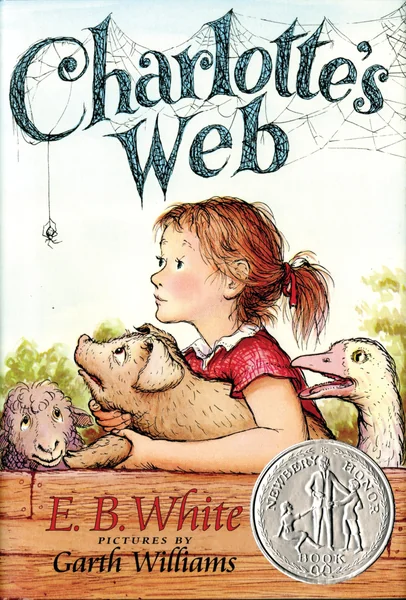
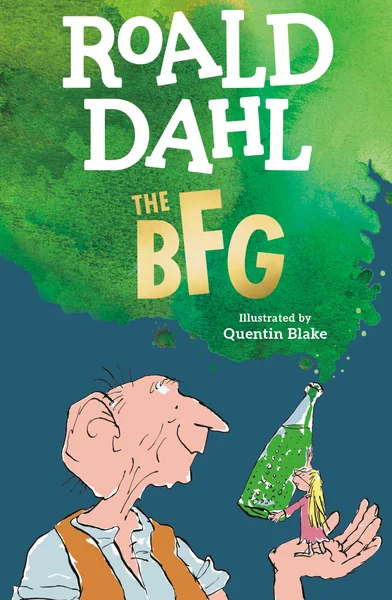
- Readers who love Milne's warm, character-driven storytelling in the Hundred Acre Wood often gravitate toward other classics of the same era and sensibility. E. B. White's Charlotte's Web shares Milne's gift for anthropomorphised animal characters with genuine emotional depth. Roald Dahl's The BFG offers a similarly imaginative, British-authored children's world, though with a more mischievous edge. Within Milne's own work, The House at Pooh Corner (the 1928 sequel) and the poetry collection When We Were Very Young (1924), which first introduced Christopher Robin, are natural companions — as is Michael Bond's Paddington and Kenneth Grahame's The Wind in the Willows for that same golden-age English children's literature feel.
- Who should read this?
- This edition is well-suited to three distinct audiences: young children hearing or reading the Hundred Acre Wood stories for the first time, adults returning to Milne's original text after years with the Disney adaptations, and collectors or gift-givers who want an heirloom-quality hardcover rather than a standard reading copy. Penguin Random House specifically highlights editions of this kind for new families and holiday gifting occasions. Readers seeking annotated scholarship or expanded story content will find this is the unabridged original, presented cleanly without critical apparatus.
- What age is it for?
- Best for ages 4 and up. The episodic stories are short, gently paced, and built around a cast of warmly drawn characters, making them ideal for reading aloud to younger children and accessible as an early independent read for those beginning to read on their own. The text contains no content that raises concern for this age group; the one scholarly caveat — that Kanga is the sole female character and her depiction has attracted criticism — is a contextual note for adult readers and educators rather than a child-facing concern.
- About A. A. Milne
- A. A. Milne is best known as the creator of Winnie the Pooh, the beloved collection of stories featuring a honey-loving bear and his friends in the Hundred Acre Wood. The Classic Edition preserves Milne's original tales along with Ernest H. Shepard's iconic illustrations.
- What are the main themes?
- Critics have characterised Winnie the Pooh as evoking 'a rural Arcadia, separated from real-world issues or problems' — a fictional world defined by friendship, imagination, and the unhurried rhythms of childhood. The stories explore loyalty and companionship through Pooh's relationships with Piglet, Eeyore, and the rest of the Hundred Acre Wood ensemble, and they carry a gentle melancholy in characters like Eeyore that has led generations of readers to find surprising emotional depth beneath the whimsy. The framing of a child (Christopher Robin) at the centre of an animal community also reflects on the imaginative life of childhood itself.
- Tell me about the adaptation
- The Walt Disney Company began adapting Milne and Shepard's characters in 1966 with the short film Winnie the Pooh and the Honey Tree, launching what became one of Disney's most enduring and commercially significant franchises. The Disney versions introduced and elevated characters — most notably Tigger — beyond their roles in Milne's original text, and gave the stories a broader comedic tone that diverges from the quieter, more literary quality of Milne's prose. For many readers, this Classic Edition offers a way to return to the source material behind that global franchise and experience the characters as Milne and Shepard originally conceived them.
Summarize this book
Follow up
Synthesized from verified book data & published reviews · How we review
What would you like to know about Winnie the Pooh: The Classic Edition?
Answers come from our editorial notes on this book. If we haven't covered something, we'll say so.
Readers often ask
Our Review
What the Book Contains
Origins and Literary Significance
The Collectible Edition Format
Enduring Strengths of the Original Work
Limitations and Considerations
Sources & Further Reading
The key facts and claims in this review are grounded in the retrieved, verified sources listed below.
- Cited in this review
- 1
Open Library
- Further reading
- 2
Age & Reading Level
Recommended age
Ages 5–8
Tropes
From how readers and romance sites describe it, not our own reading.
who it suits
Best for: Ages 4+ — short, episodic stories with simple vocabulary are ideal for reading aloud to young children and accessible as early independent reading from around age 6.
Skip if you're looking for an annotated, extended, or newly illustrated edition beyond Milne's original 1926 text and Shepard's classic drawings.
Reader reviews
Be one of the first readers to answer.
Read it? Was it right for you?
Books like Winnie the Pooh: The Classic Edition
Curated picks for readers who enjoyed Winnie the Pooh: The Classic Edition, with our reasoning for each match.


If you liked Winnie the Pooh: The Classic Edition