Tobias M. Kohl
1
Books Reviewed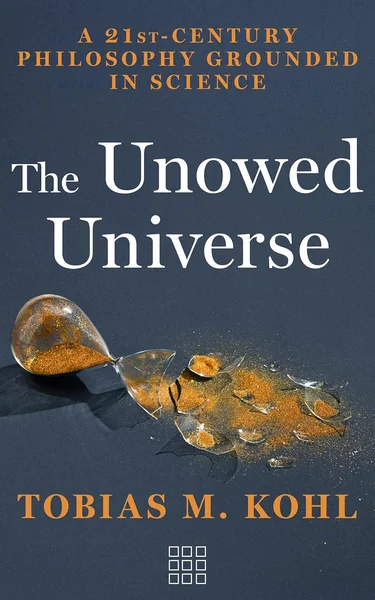
Ask LuvemBooks about Tobias M. Kohl
- Where should I start?
- The Unowed Universe: A 21st-Century Philosophy Grounded in Science is Kohl's primary reviewed work and the natural entry point. It presents his complete framework in one volume, combining metaphysics, ethics, and philosophy of physics. Start here if you have background in philosophy or are seeking a systematic treatment of how science constrains philosophical reasoning.
- What's their writing style?
- Kohl writes with formal precision, integrating technical notation, logical formalism, and scientific citations into his prose. His voice is systematic and methodical rather than exploratory or conversational. He builds arguments through careful definition and logical steps, treating philosophy as a discipline that must earn its claims through rigorous reasoning grounded in empirical science.
- Books we've reviewed
- We have reviewed one book by Tobias M. Kohl: The Unowed Universe: A 21st-Century Philosophy Grounded in Science, a systematic work in philosophy that integrates relativity theory, modal logic, and thermodynamics into a unified framework for 21st-century metaphysics and ethics.
- What genre does Kohl write in?
- Kohl writes systematic philosophy grounded in science. His work sits at the intersection of metaphysics, philosophy of physics, and formal logic. Rather than literary philosophy or popular essays, his writing is academic and technically rigorous, meant for readers serious about philosophical argument.
- What should I read after The Unowed Universe?
- Since The Unowed Universe is comprehensive and self-contained, readers may want to explore related works in philosophy of physics (such as texts on relativity and time), formal metaphysics, or contemporary modal logic to deepen engagement with Kohl's methods and arguments. Consider also reading primary sources by Einstein and philosophers like David Lewis who work with modal frameworks.
Who is Tobias M. Kohl?
Follow up
Synthesized from verified book data & published reviews · How we review
Press Enter to ask. Answers come from our editorial Q&A — start typing to see related questions.
Authors Like Tobias M. Kohl
Bertrand Russell

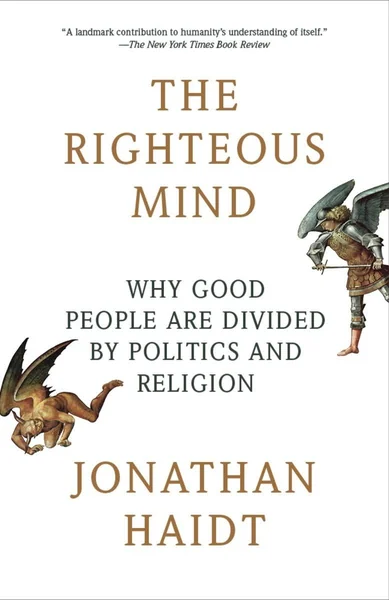
Jonathan Haidt

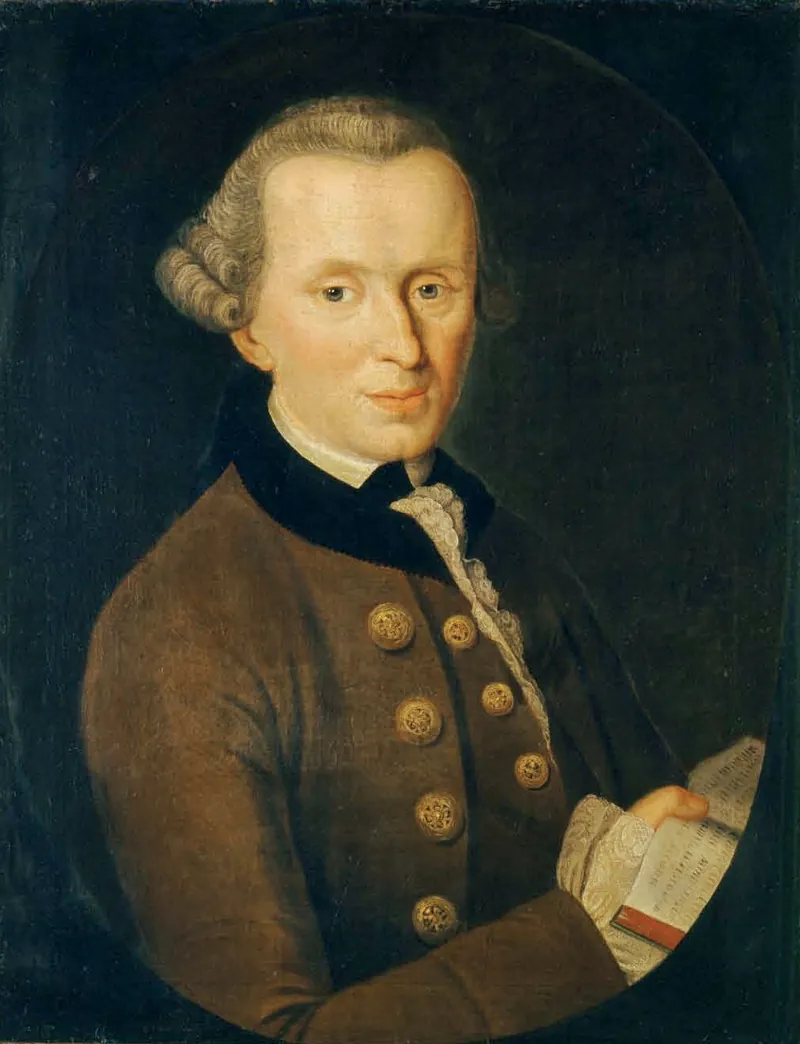
Immanuel Kant
Immanuel Kant (April 22, 1724 – February 12, 1804) was a German philosopher born in Königsberg, Germany (now Kaliningrad, Russia), where he also died. A central figure of the Enlightenment and founder of German classical philosophy, he published his landmark work, the *Critique of Pure Reason*, in 1781, seeking to determine the limits and scope of metaphysics and exploring how reason and experience interact with understanding.
1 book reviewed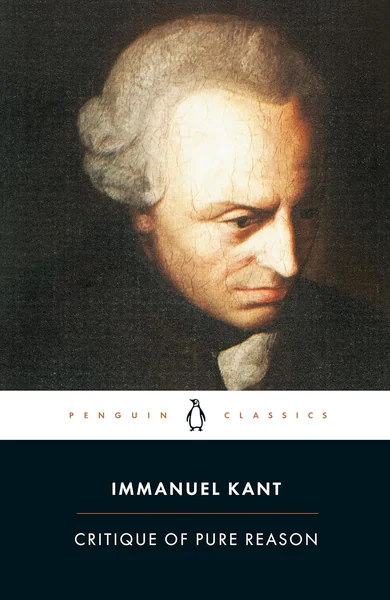
Simon Blackburn

René Descartes

Yuval Noah Harari
Yuval Noah Harari is an Israeli medievalist, military historian, public intellectual, and popular science writer.
1 book reviewed