Norrie Gilliland
1
Books ReviewedAsk LuvemBooks about Norrie Gilliland
- Where should I start?
- Start with Glasgow's Forgotten Village: The Grahamston Story, Gilliland's only reviewed work. It's an ideal entry point for understanding his method: detailed local research that reconstructs the social and physical landscape of a vanished community. If you're interested in Scottish urban history or want to see how a specific neighborhood shaped Glasgow's development, this is the natural place to begin.
- What's their writing style?
- Gilliland writes with a research-grounded precision that prioritizes uncovering and presenting historical facts over ornament. His voice is methodical and focused on specificity—particular streets, families, and institutions rather than broad generalizations. He brings archival material to life without romanticizing the past, letting the texture and detail of lost communities speak for themselves.
- Books we've reviewed
- We've reviewed one book by Norrie Gilliland so far. Glasgow's Forgotten Village: The Grahamston Story (History) is a detailed reconstruction of a lost Glasgow neighborhood, using archival research to restore a community to historical memory.
- What genre does he write?
- Gilliland writes primarily in local and Scottish history, with a focus on community narratives and urban social history. His work falls within the broader category of narrative nonfiction history, blending archival research with compelling storytelling about real places and people.
- What should I read after Gilliland?
- Readers who appreciate Gilliland's approach to recovering lost urban histories might explore other Scottish local historians or books about urban change and community memory. Look for works that combine detailed archival research with accessible narrative—the same balance he strikes in his writing.
Who is Norrie Gilliland?
Follow up
Synthesized from verified book data & published reviews · How we review
Press Enter to ask. Answers come from our editorial Q&A — start typing to see related questions.

Authors Like Norrie Gilliland
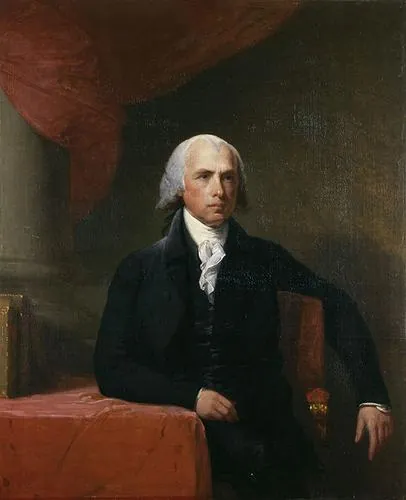
James Madison
James Madison, the pen name of Charles Aronstein (August 27, 1870 – March 27, 1943), was an American theatre manager, writer, and publisher, best known for writing and publishing the periodical *Madison's Budget*.
1 book reviewed
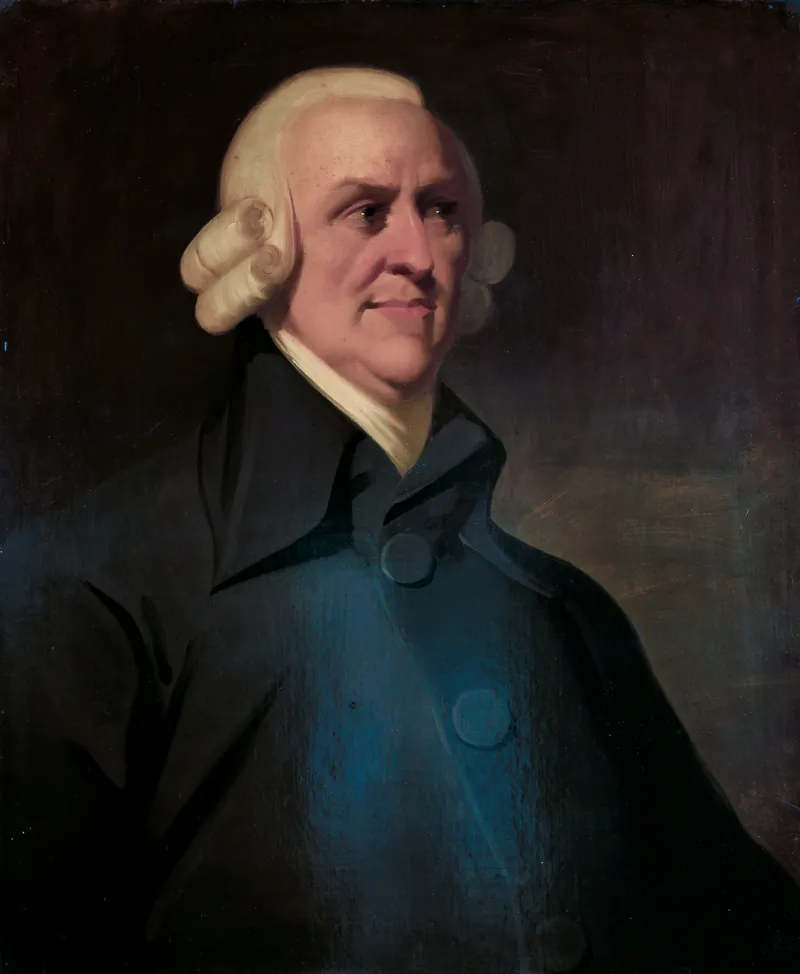
Adam Smith
Adam Smith was a Scottish economist and philosopher who was a pioneer in the field of political economy and key figure during the Scottish Enlightenment.
1 book reviewed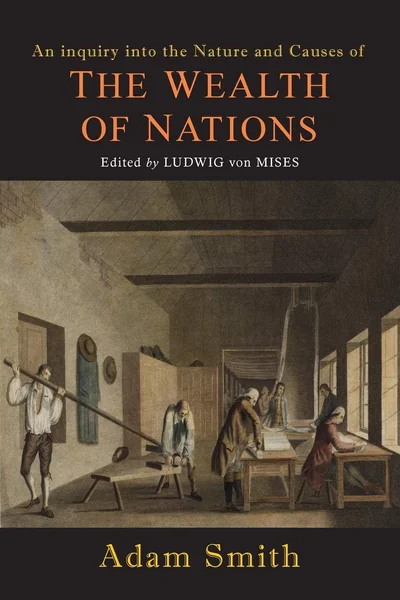

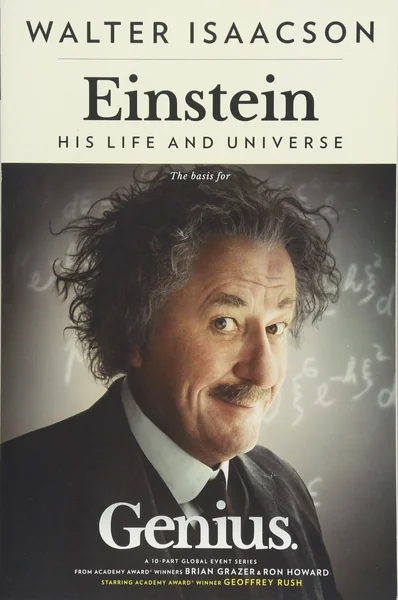
Walter Isaacson
Walter Seff Isaacson is an American journalist who has written biographies of Henry Kissinger, Benjamin Franklin, Leonardo da Vinci, Albert Einstein, Steve Jobs, Jennifer Doudna, and Elon Musk.
2 books reviewed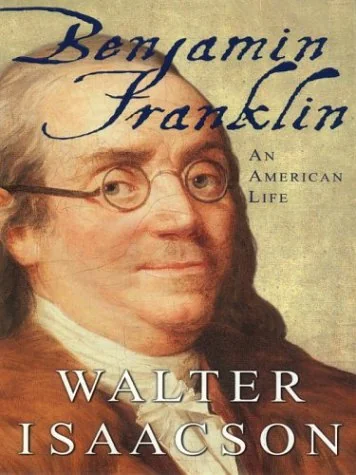

Daron Acemoglu
Kamer Daron Acemoğlu is a Turkish-American economist of Armenian descent who has taught at the Massachusetts Institute of Technology since 1993, where he is currently the Elizabeth and James Killian Professor of Economics, and was named an Institute Professor at MIT in 2019.
1 book reviewed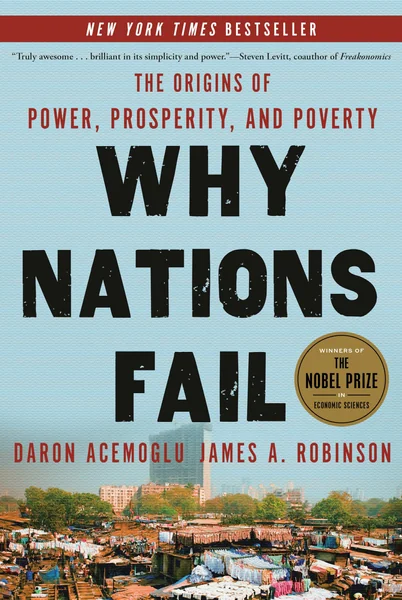

James A. Robinson
James Alan Robinson is a British-American economist and political scientist.
1 book reviewed
Thomas Piketty
Thomas Piketty is a French economist who is a professor of economics at the School for Advanced Studies in the Social Sciences, associate chair at the Paris School of Economics (PSE) and Centennial Professor of Economics in the International Inequalities Institute at the London School of Economics (LSE)..
1 book reviewed