Margaret Atwood
2
Books ReviewedAsk LuvemBooks about Margaret Atwood
- Where should I start?
- If you haven't read The Handmaid's Tale first, start there — it is the foundation for Atwood's Gilead universe and one of the most widely read English-language novels of the last forty years. Of the two titles we've reviewed, The Testaments is the natural next step if you already know Gilead, and it carries a strong reader rating of 4.6 out of 5 from over 51,000 Amazon ratings. If you'd prefer something outside the Gilead sequence, The Blind Assassin offers a very different but equally rewarding experience — a Booker Prize-winning novel built from nested narratives and family secrets.
- What's their writing style?
- Atwood writes with precision and a frequently ironic distance — her prose tends to be controlled and observational rather than lyrical, and she often uses unreliable or partial narrators to force the reader into active interpretation. Structurally she favours layered or fragmented forms: The Testaments is built from three separate testimonies, while The Blind Assassin embeds a pulp serial inside a memoir inside a framing narrative. Thematically she returns repeatedly to questions of who holds power over women's bodies, histories, and voices, grounding speculative or historical scenarios in sharply observed social and political realism.
- Books we've reviewed
- We've reviewed two Margaret Atwood titles on LuvemBooks. The Testaments (TV Tie-in): A Novel is the Booker Prize-winning sequel to The Handmaid's Tale, told through three women's accounts of life inside and at the edges of Gilead, with a reader rating of 4.6 out of 5 from over 51,000 Amazon ratings. The Blind Assassin is a structurally inventive literary novel that won Atwood her first Booker Prize, built around an elderly narrator's memoir and a pulp science-fiction story concealed within it, rated 4.2 out of 5 from nearly 6,800 Amazon ratings.
- How do her books compare?
- The Testaments and The Blind Assassin share Atwood's characteristic use of multiple narrative layers and her interest in women reclaiming or reconstructing their own histories, but they feel quite different in tone and setting. The Testaments is faster-moving and more plot-driven, its three-narrator structure creating tension as the threads converge on a single outcome inside Gilead. The Blind Assassin is slower, more melancholy, and more interested in what is withheld than what is revealed — its pleasures are retrospective, accumulating fully only at the end. Readers who want political urgency will likely prefer The Testaments; those drawn to intricate literary architecture will find more to savour in The Blind Assassin.
- What genre does she write?
- Atwood resists easy genre classification and has notably pushed back against the label 'science fiction' for her own work, preferring terms like 'speculative fiction' for novels that extrapolate from existing social realities rather than introducing purely invented science. Of the two books we've reviewed, The Testaments is categorised as Dystopian fiction and The Blind Assassin as Literary Fiction, which together illustrate the range she works across. She has also published poetry, short stories, and literary criticism throughout her career.
- What should I read after The Testaments?
- If you've finished The Testaments and want more Atwood, The Blind Assassin is the other title we've reviewed and offers a very different but equally ambitious reading experience. Beyond our coverage, readers who responded strongly to the Gilead books often move on to the MaddAddam trilogy — beginning with Oryx and Crake — which explores ecological collapse and corporate power with similar urgency. For something shorter and more contained, Alias Grace, based on the true story of a nineteenth-century murderess, is frequently recommended as one of Atwood's most accessible and psychologically rich standalone novels.
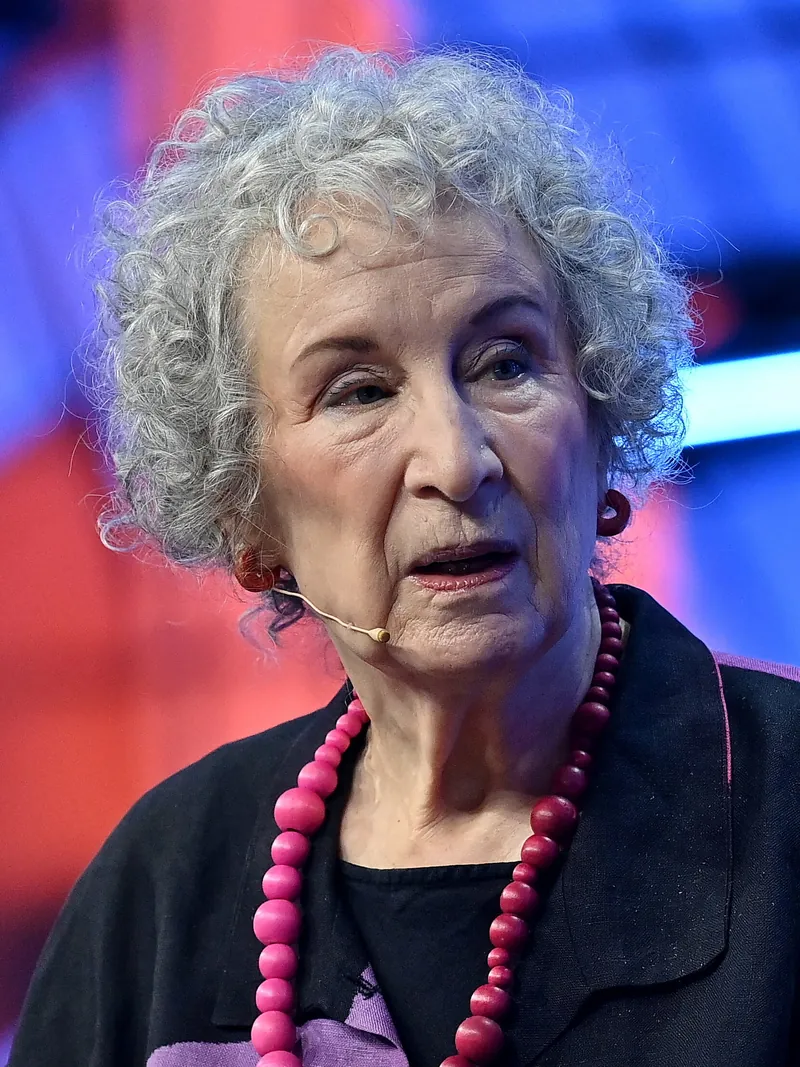
Who is Margaret Atwood?
Follow up
Synthesized from verified book data & published reviews · How we review
Press Enter to ask. Answers come from our editorial Q&A — start typing to see related questions.
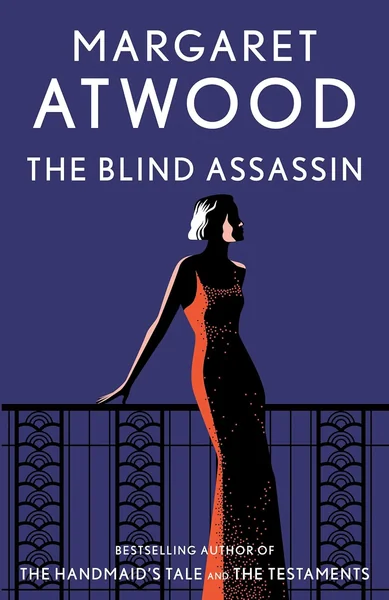
The Blind Assassin by Margaret Atwood
4.2/5
Margaret Atwood's The Blind Assassin is a structurally daring, prize-winning novel that weaves multiple narratives across twentieth-century Canada, earning the Booker Prize in 2000 and a place on Time magazine's list of the 100 greatest English-language novels since 1923 — though its deliberate coldness and considerable length are not for every reader.
Reviewed Jul 7, 2026
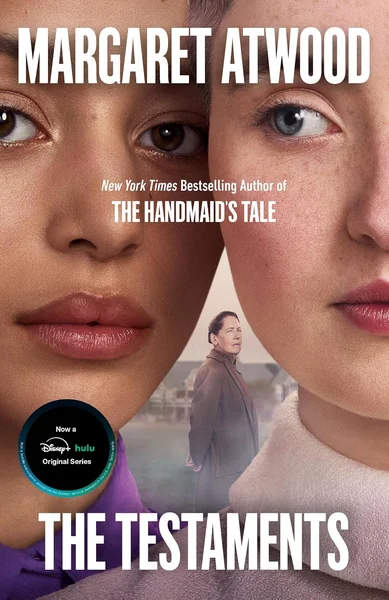
The Testaments (TV Tie-in): A Novel by Margaret Atwood
4.6/5
Margaret Atwood's The Testaments, the Booker Prize-winning sequel to The Handmaid's Tale, returns to the theocratic republic of Gilead fifteen years on, delivering a thriller-paced narrative through three distinct female voices — Aunt Lydia, Agnes Jemima, and Daisy — whose converging stories expose the regime's internal rot. Now a Hulu Original series, this media tie-in edition from Vintage keeps one of contemporary fiction's most celebrated sequels firmly in the spotlight.
Reviewed Jun 23, 2026
Authors Like Margaret Atwood
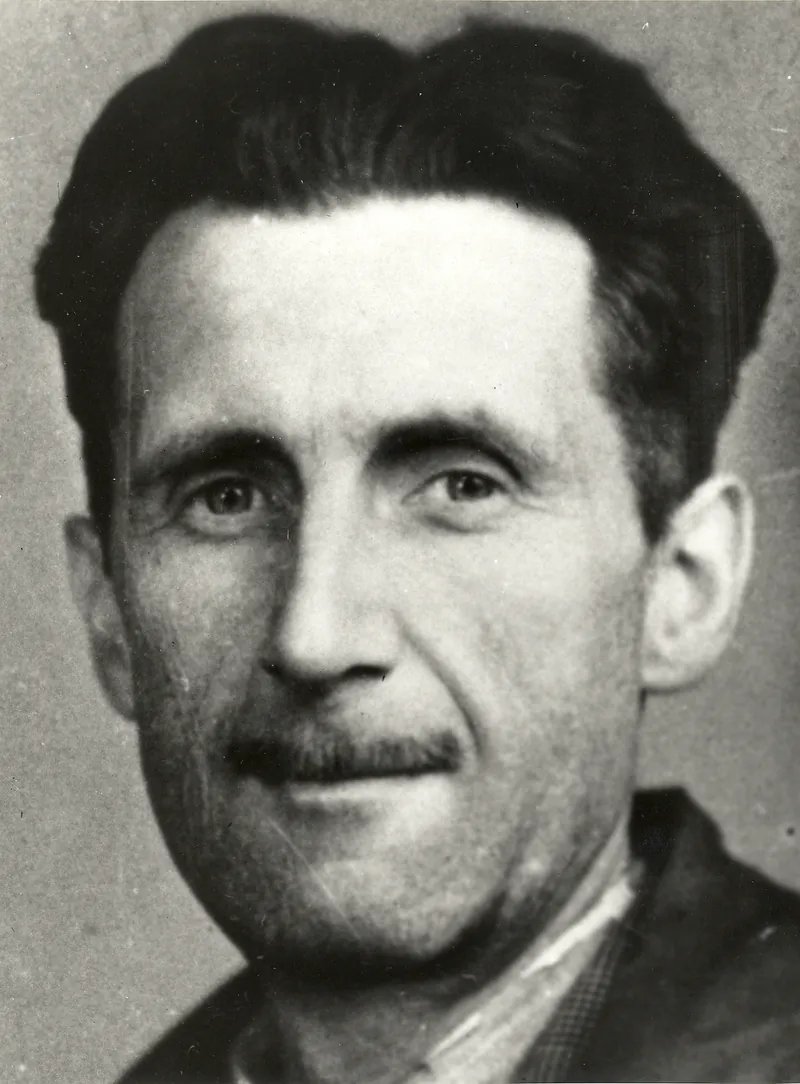
George Orwell
Eric Arthur Blair was an English novelist, poet, essayist, journalist, and critic who wrote under the pen name of George Orwell.
1 book reviewed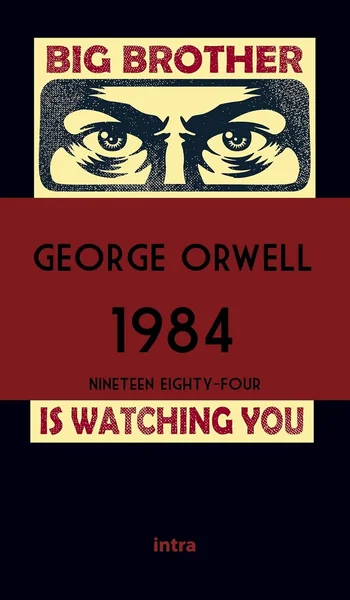
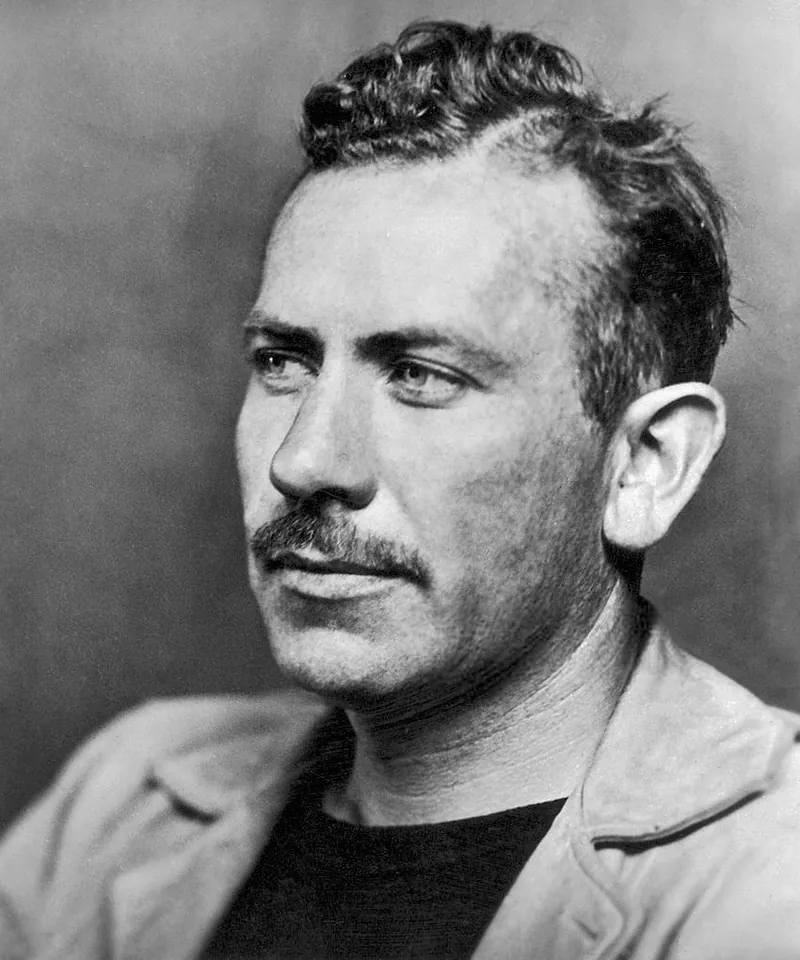
John Steinbeck
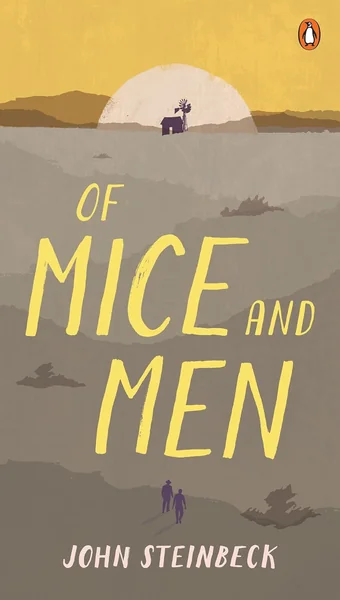
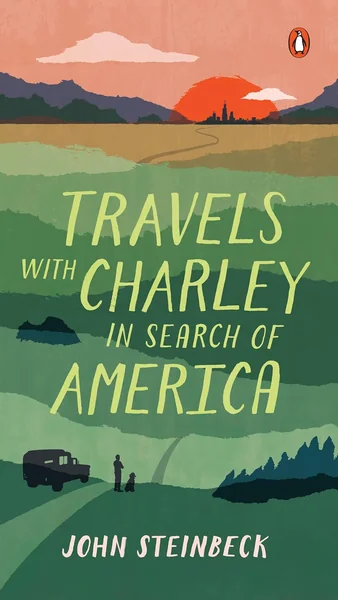
John Ernst Steinbeck was an American writer and novelist.
3 books reviewed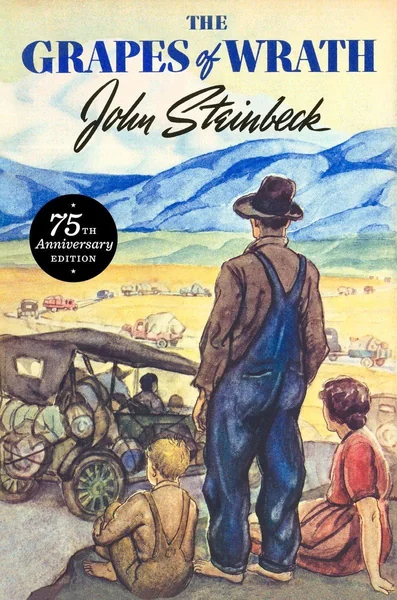
Maggie Shipstead
Maggie Shipstead is an American novelist, short story author, essayist, and travel writer.
1 book reviewed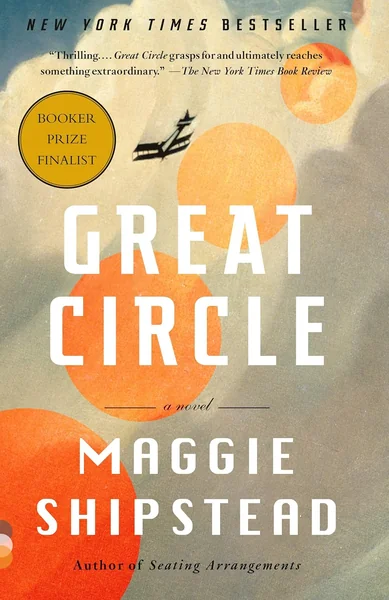

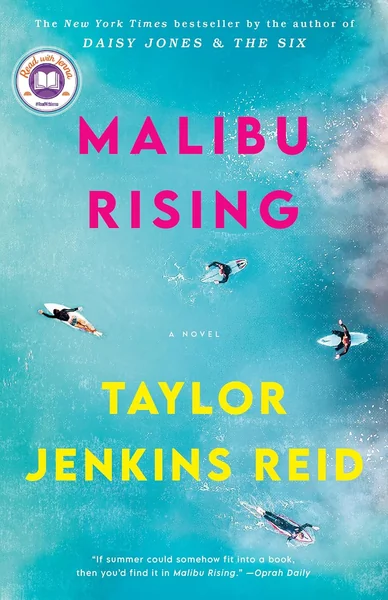
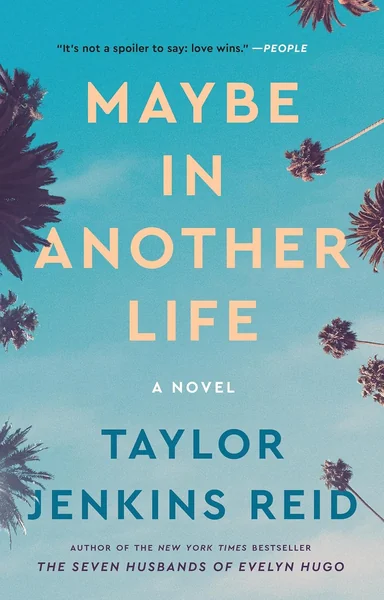
Taylor Jenkins Reid
Taylor Jenkins Reid is an American author best known for her novels The Seven Husbands of Evelyn Hugo, Daisy Jones & the Six, One True Loves, Malibu Rising, Carrie Soto Is Back, and Atmosphere.
3 books reviewed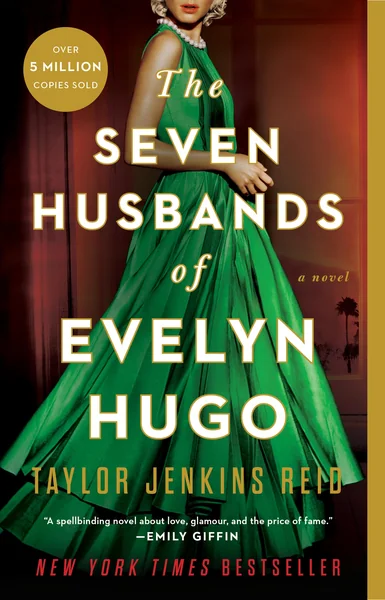

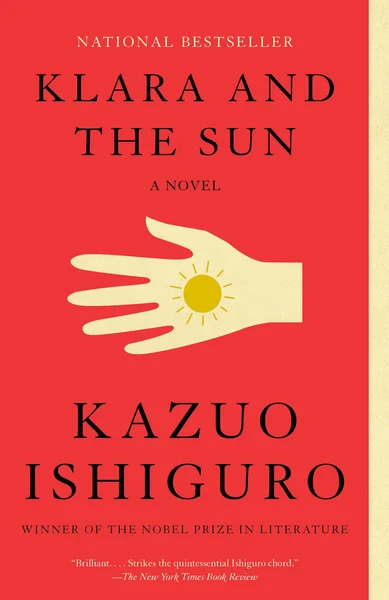
Kazuo Ishiguro
Born in Nagasaki and raised in Britain from the age of five, **Sir Kazuo Ishiguro** has emerged as one of the most distinctive voices in contemporary literature.
2 books reviewed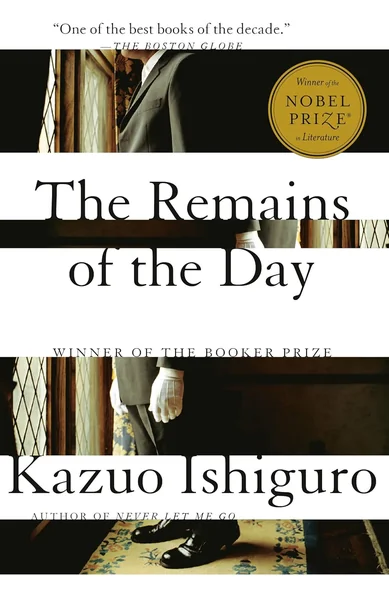

Elizabeth Strout
Elizabeth Strout is an American novelist and author.
4 books reviewed