9 min read
4.7
· 742 Amazon ratingsShare This Review

Our review
The Amazing Generation
The Amazing Generation by Jonathan Haidt and Catherine Price Review: A Smart Tween Guide to Screen Freedom
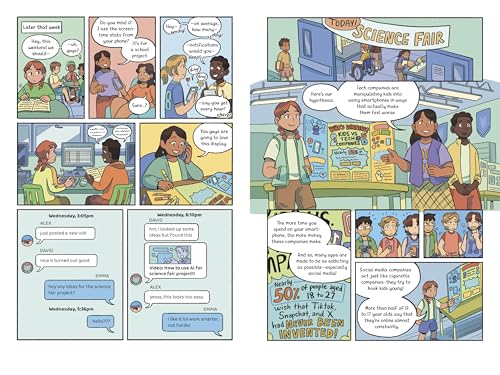
The Amazing Generation is a practical handbook for tweens aged 9–12, co-authored by social psychologist Jonathan Haidt and health journalist Catherine Price, designed to help young readers reclaim friendship, freedom, and fun from the pull of smartphone addiction — and reviewed here on the basis of its content and published critical reception, not hands-on use.


 Tap to enlarge
LuvemBooks Verdict
Best for
Tweens in grades 4–7 who are already feeling uneasy about their screen habits, and families looking for a shared, research-grounded starting point for honest conversations about smartphones and social media.
Worth it if
The young reader (or the adult reading alongside them) is genuinely open to reflecting on their relationship with devices and willing to engage actively with the book's practical strategies — not just read it passively.
Skip if
Older teenagers already deep into social-media culture, or children younger than the 9–12 target range, are likely to find the tone and pitch a less precise fit for where they actually are.
What readers & critics say
Kirkus awarded the book a starred review, calling it "a persuasive argument for disillusioned smartphone users" and singling out its "upbeat, encouraging approach" and "kid-friendly strategies" as what makes it stand out (kirkusreviews.com). School reviewers echoed that verdict, labelling it "a fresh, motivating guide recommended for students and educators who want to encourage independence, curiosity, and real-world adventures" (slj.com). ParentMap praised Haidt and Price for not shying away from placing responsibility squarely on tech companies and the "greedy wizards" who run them, calling that frankness refreshing (parentmap.com). Slate tested the book with actual tween readers and found the most persuasive argument was the idea that apps are built by people who profit from grabbing their attention — though the "wizards" framing struck the adult reviewer as a little hokey (slate.com).
“The winning argument for tween test-readers was the idea that apps are created by people who make money from grabbing their attention — though the 'wizards' framing struck me as a little hokey.”
— SlatePreview the book
Ask LuvemBooks
Was this helpful?
- Is it worth reading?
- For tweens in the 9–12 range — especially those already skeptical of their own screen habits — and for families seeking a shared starting point for conversations about digital wellness, The Amazing Generation is well-positioned as both a standalone guide and a complement to The Anxious Generation. Published critical reception is notably strong: Kirkus awarded a starred review, The Boston Globe called it 'an eye-opening book,' and Oprah Daily described it as 'an eye-roll–proof script for calmer boundaries and fewer power struggles.' The honest caveat is that its value depends on how individual readers engage with and apply its strategies — the strong critical reception speaks to its design and framing, but real-world usefulness is inherently individual.
- Similar books
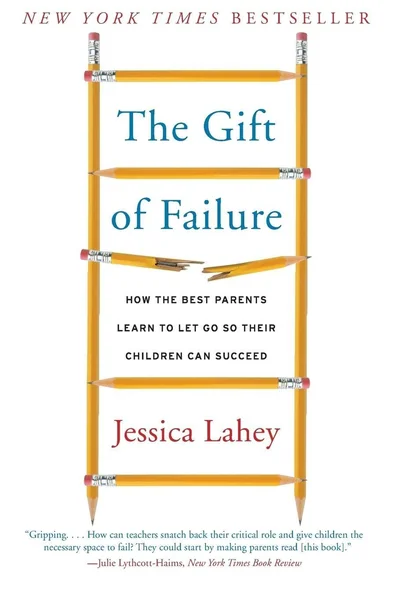
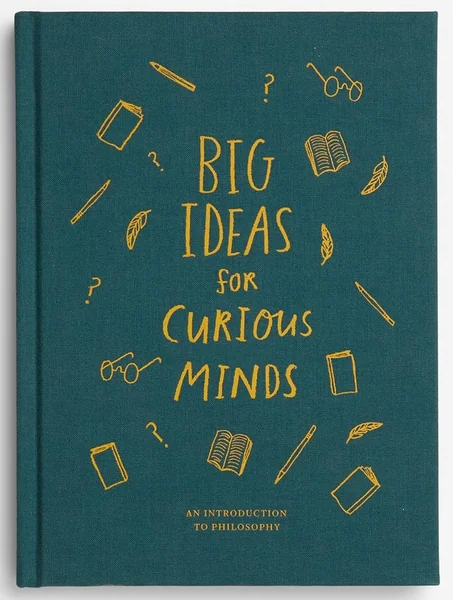
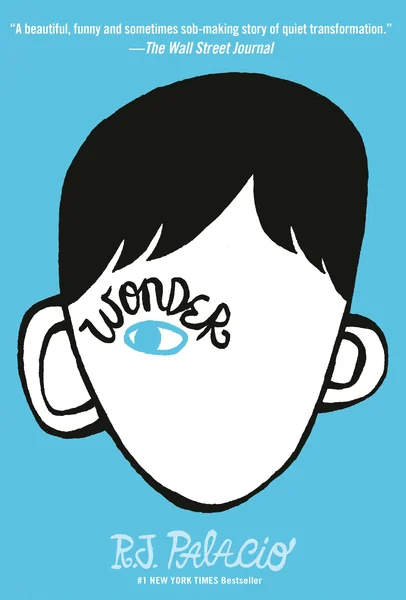
- Readers drawn to The Amazing Generation may also enjoy The Gift of Failure by Jessica Lahey, which similarly empowers young people by advocating for parental restraint and children's autonomy. For tweens who enjoy thinking about big ideas in an accessible format, Big Ideas for Curious Minds: An Introduction to Philosophy by The School of Life offers a kindred spirit of kid-friendly intellectual engagement. Wonder by R. J. Palacio and Diary of a Wimpy Kid by Jeff Kinney both resonate with the 9–12 age group navigating social pressures, while Tom's Midnight Garden by Philippa Pearce offers a classic middle-grade perspective on childhood freedom — a theme central to The Amazing Generation's vision of reclaiming fun.
- Who should read this?
- The Amazing Generation is primarily designed for tweens aged 9–12 (grades 4–7), particularly those whose smartphone habits and social-media use are just taking root — a window the authors identify as developmentally significant. It is also meaningfully useful for parents and families seeking a shared framework for conversations about digital habits; The Boston Globe and Oprah Daily both highlight its cross-audience readability. Tweens already skeptical of their screen use, or families experiencing friction around device boundaries, are the readers most likely to get the most from it.
- What age is it for?
- Best for ages 9–12 (grades 4–7). The book's strategies, voice, and format are specifically calibrated to tweens in this developmental window, when smartphone habits and social-media use are often just taking root. Readers outside this band — younger children or older teenagers already deep into social-media culture — may find the content a less precise fit.
- How does the book approach screen time — is it anti-tech?
- The Amazing Generation is not a blanket anti-technology manifesto. As critics have described, it builds self-awareness and decision-making skills so young readers can navigate a world 'where technology is designed to promote impulsivity,' rather than simply telling them devices are bad. Kirkus praised its 'upbeat, encouraging approach,' and the book's central argument is framed around empowering tweens to choose friendship, freedom, and fun — positioning young readers as capable agents rather than passive victims of their devices.
- Why are these authors qualified to write this?
- Jonathan Haidt is a social psychologist at NYU Stern whose writing on adolescent psychology and moral culture has made him one of the most widely discussed social scientists of his generation; The Anxious Generation is described by the publisher as having 'inspired millions of parents, teachers, and leaders to take action.' Catherine Price — described by critics as 'the Marie Kondo of Brains' — is a health and science journalist, founder of Screen/Life Balance, and author of How to Break Up with Your Phone, bringing focused practical expertise in digital-wellness strategies to the collaboration. Together, they combine research-grounded authority with hands-on, accessible strategy design.
Summarize this book
Follow up
Synthesized from verified book data & published reviews · How we review
Press Enter to ask. Answers come from our editorial Q&A — start typing to see related questions.
Our Review
What the Book Is and Where It Comes From
The Core Argument and What It Covers
Critical Reception and Standout Strengths
The Authors' Credibility and the Book's Broader Significance
Who This Book Is For — and One Genuine Limitation
Sources & Further Reading
The key facts and claims in this review are grounded in the retrieved, verified sources listed below.
- Cited in this review
- 1
kirkusreviews.com
- 2
- 3
- Further reading
- 4
anxiousgeneration.com
- 5
theamazinggenerationbook.com
- 6
- 7
- 8
- 9
Age & Reading Level
Recommended age
Ages 8–12
Reading level
Middle grade
who it suits
Best for: Ages 9–12 — the reading level, voice, and developmental framing are calibrated to confident upper-primary and middle-school readers in grades 4–7.
Skip if you want a narrative or story-driven book rather than a practical handbook with strategies and exercises.
Reader reviews
Be one of the first readers to answer.
Read it? Was it right for you?
Books like The Amazing Generation
Curated picks for readers who enjoyed The Amazing Generation, with our reasoning for each match.
More by Jonathan Haidt, Catherine Price


If you liked The Amazing Generation