Edward S. Herman
1
Books ReviewedAsk LuvemBooks about Edward S. Herman
- Where should I start?
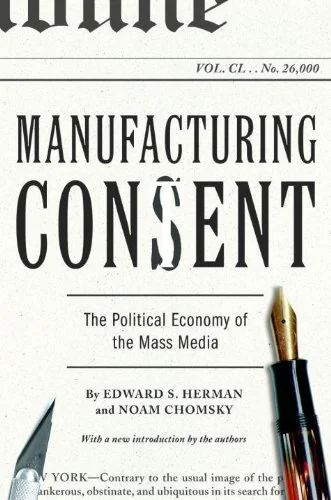
- Given that LuvemBooks has reviewed one Herman title, the answer is straightforward: start with Manufacturing Consent, co-authored with Noam Chomsky. It is the book that defines Herman's legacy, presenting the propaganda model — a framework built around five structural filters including ownership, advertising, and sourcing — that shaped decades of media criticism. Its Amazon reader rating of 4.7 out of 5 from more than 3,000 ratings reflects the fact that it has found serious readers well beyond academia. Fair warning: it is a dense, evidence-heavy work, not a light introduction, but the core argument in the opening chapters is accessible and repays careful reading.
- What's their writing style?
- Herman writes in a clinical, evidence-first register that prioritises documented data over rhetorical flourish — his arguments are built from content analyses, sourcing patterns, and column-inch comparisons rather than anecdote or polemic. In Manufacturing Consent, he and Chomsky construct their case by systematically contrasting how the same type of event receives radically different coverage depending on the political relationship between the U.S. and the country involved. The tone is deliberately dispassionate, which can make the conclusions feel all the more striking when the evidence accumulates. Readers looking for a firebrand polemicist may find him methodical to the point of austerity; readers who value rigour will find that quality a strength.
- Books we've reviewed
- LuvemBooks has reviewed one book by Edward S. Herman: Manufacturing Consent: The Political Economy of the Mass Media (co-authored with Noam Chomsky), a foundational text in media criticism that argues corporate and political pressures structurally filter news coverage through five identifiable mechanisms. It holds an Amazon reader rating of 4.7 out of 5 from over 3,000 ratings.
- What genre do they write?
- Herman wrote primarily in the genre of Politics and Society, with a strong grounding in political economy and media studies. His books are best described as works of critical non-fiction that combine economic analysis with detailed empirical case studies of political and media institutions. Manufacturing Consent is representative: it is neither journalism nor pure academic theory, but an evidence-based argument about how structural forces shape public knowledge. Readers drawn to media criticism, press freedom debates, or the political economy of information will find his work directly relevant.
- What should I read after Manufacturing Consent?
- Readers who engage seriously with Manufacturing Consent often move next to Chomsky's solo works — particularly Necessary Illusions, which extends the propaganda model's arguments in a more essay-based format. Within Herman's own bibliography, The Real Terror Network and Triumph of the Market apply similar structural analysis to U.S. foreign policy and economic ideology respectively. Outside of Herman and Chomsky's orbit, Ben Bagdikian's The Media Monopoly and Robert McChesney's work on media consolidation offer complementary perspectives on corporate control of the press.
Who is Edward S. Herman?
Follow up
Synthesized from verified book data & published reviews · How we review
Press Enter to ask. Answers come from our editorial Q&A — start typing to see related questions.
Authors Like Edward S. Herman

SuperSummary
SuperSummary is a subscription-based educational resource company founded in 2008 and based in San Francisco, United States. It publishes in-depth study guides featuring summaries, analyses, and expert insights on themes, characters, symbols, and more. With a library of over 10,000 titles, SuperSummary produces guides for works across a wide range of subjects and genres.
2 books reviewed


Barbara Kingsolver
Barbara Ellen Kingsolver is an American novelist, essayist, and poet.
1 book reviewed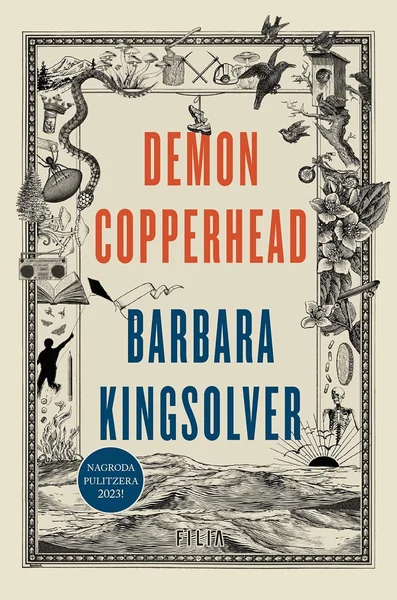
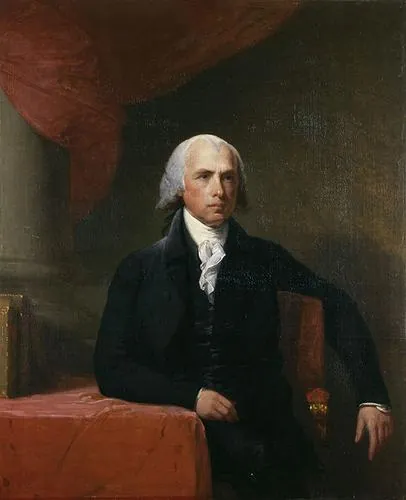
James Madison
James Madison, the pen name of Charles Aronstein (August 27, 1870 – March 27, 1943), was an American theatre manager, writer, and publisher, best known for writing and publishing the periodical *Madison's Budget*.
1 book reviewed

Michael Lewis
Michael Monroe Lewis is an American author and financial journalist.
1 book reviewed

Jonathan Haidt
Jonathan David Haidt is an American social psychologist and author.
3 books reviewed


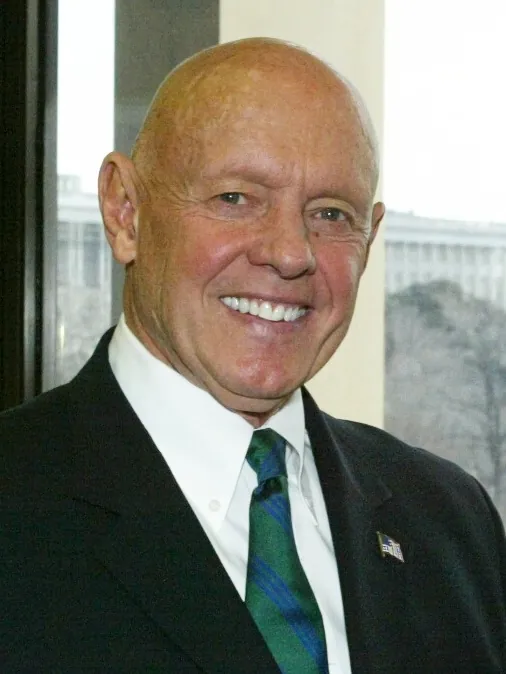
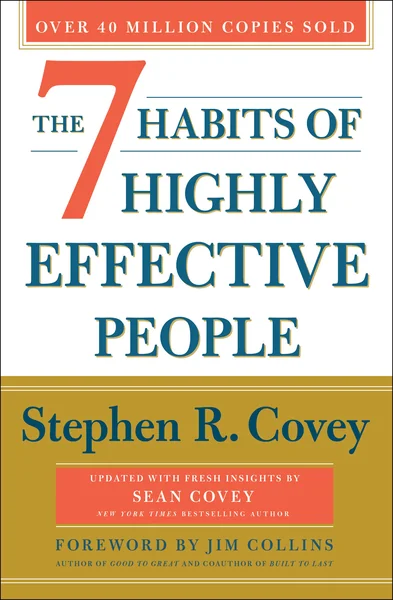
Stephen R. Covey
Stephen Richards Covey was an American educator, author, businessman, and speaker.
1 book reviewed