
BOOKS
Published
Read Time
9 min read
Share This Review
The Glass Girl by Kathleen Glasgow Review: A Raw, Compassionate YA Novel on Addiction
The Glass Girl is a New York Times bestseller from Kathleen Glasgow, published by Delacorte Press in October 2024, that follows fifteen-year-old Bella through alcoholism, crisis, and the difficult road of recovery — drawing wide praise from critics and fellow authors for its emotional honesty and lyrical craft.
 Tap to enlarge
In This Review
- What Works & What Doesn't
- What the Novel Is About
- Glasgow's Place in YA Fiction
- Critical Strengths: Lyricism and Emotional Truth
- Subject Matter and Its Weight
- Who This Book Is For
What Works & What Doesn't
What Works
- Starred review from Booklist, which recommends libraries purchase multiple copies — a strong indicator of anticipated readership demand
- Kirkus Reviews praises the novel's realistic nuance, noting it addresses relapses, anxiety disorder, self-harm, and death without false resolution
- Glasgow's lyrical prose and emotional depth are consistently highlighted across critical and peer reception
- Broad appeal beyond its YA demographic, with blurbers noting relevance for adult readers as well as teens
- A New York Times bestseller that builds meaningfully on Glasgow's acclaimed back catalog, particularly Girl in Pieces
What Doesn't
- The novel's unflinching treatment of alcoholism, relapse, self-harm, and death makes it a heavy read — not suited for readers seeking lighter YA fiction
- Its intensity and subject matter, while widely praised, means it is best approached with awareness of its emotional weight, particularly for younger or more sensitive readers
The Glass Girl is a novel about a teenager's descent into alcoholism and the hard-won process of recovery — reviewed here on the basis of its content, critical reception, and published sources, not hands-on reading.
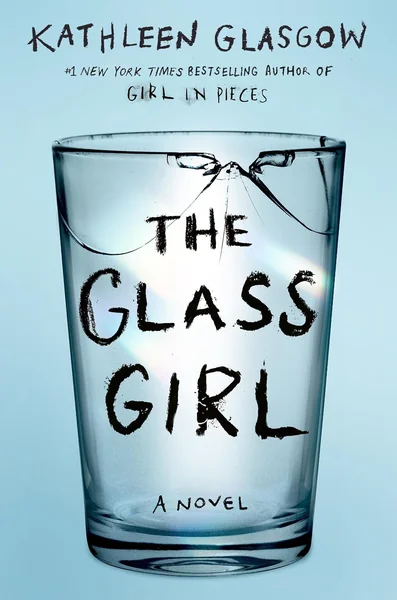
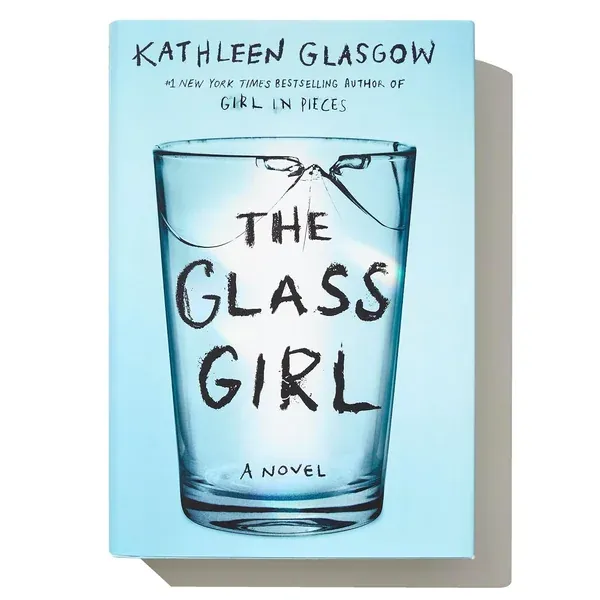
The Glass Girl by Kathleen Glasgow front cover
What the Novel Is About
At the center of The Glass Girl is Bella, a fifteen-year-old whose relationship with alcohol has quietly spiraled out of control. The novel's turning point arrives when Bella gets blackout drunk at a Thanksgiving party and wakes up in a hospital — a moment that forces her and her family to confront a crisis that can no longer be minimized. Her mother sends her to an outdoorsy rehabilitation center whose program is built around self-awareness and self-reliance. Glasgow structures the narrative around Bella's experiences there: her interactions with fellow residents, her resistance and gradual openness, and the texture of daily life inside a program that offers no easy fixes. Critical coverage notes that the novel depicts Bella's journey "with realistic nuance; nothing comes easily," with Glasgow carefully threading in relapses, anxiety disorder, self-harm, and death alongside the central arc of recovery.
“a candid exploration of the forces pushing young women toward addiction — and what it really takes to help them get better.”
Glasgow's Place in YA Fiction
Glasgow is the critically acclaimed author of Girl in Pieces, and The Glass Girl arrives as a continuation of her established reputation for unflinching portrayals of teenage pain and resilience. The publisher, Penguin Random House, frames the book as "a candid exploration of the forces pushing young women toward addiction — and what it really takes to help them get better." That positioning places The Glass Girl squarely in a tradition of serious, issue-driven YA literary fiction — books that treat adolescent suffering as worthy of the same artistic rigor applied to adult literary novels. Blurbers draw explicit comparisons: Publishers Weekly's starred review (as quoted in web sources) describes the novel as "combining The Bell Jar with Euphoria," situating it at the intersection of literary lineage and contemporary cultural moment.
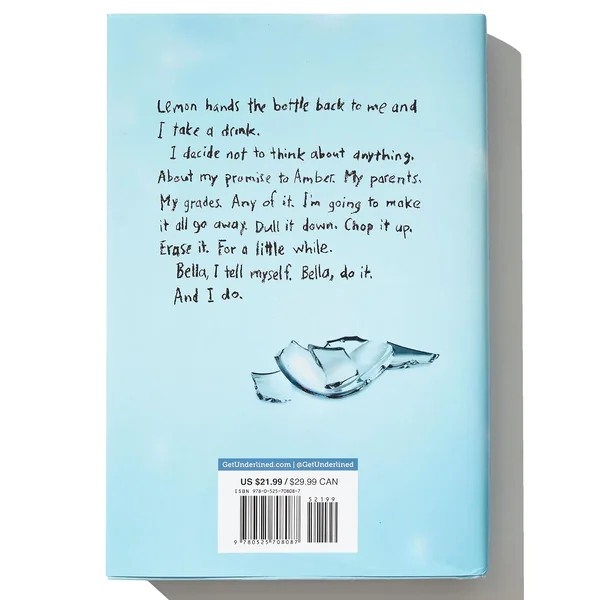
Back cover with handwritten text about refusing to suppress difficult thoughts, and a broken glass illustration.
Critical Strengths: Lyricism and Emotional Truth
The reception that has accumulated around The Glass Girl centers consistently on two qualities: Glasgow's prose and her capacity for compassion. Booklist awarded the novel a starred review, with its critic writing that "Glasgow's gift for writing is in full force here" and recommending that libraries consider purchasing multiple copies — a commercially meaningful signal of anticipated demand. Fellow authors have been equally vocal in the blurb record. Laura Nowlin, a New York Times bestselling author, calls it "a must-read" and credits Glasgow's "haunting lyricism and trademark ability to break your heart and remake it stronger." Meredith Adamo, author of Not Like Other Girls, describes the novel as "deeply honest, wholly compassionate, and desperately needed," adding that she "fell hard for Bella, a girl torn between her brain and her heart who carries far too much on her own at just fifteen." This consistency of praise — across trade review outlets and peer authors alike — points to a book that is widely regarded as one of Glasgow's strongest works.
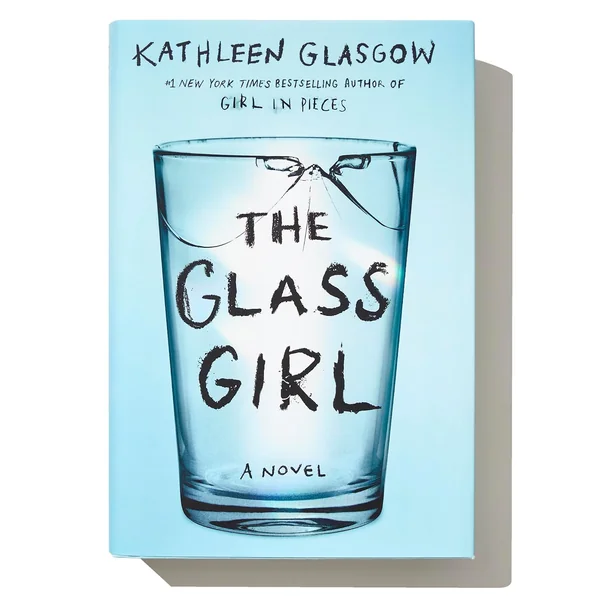
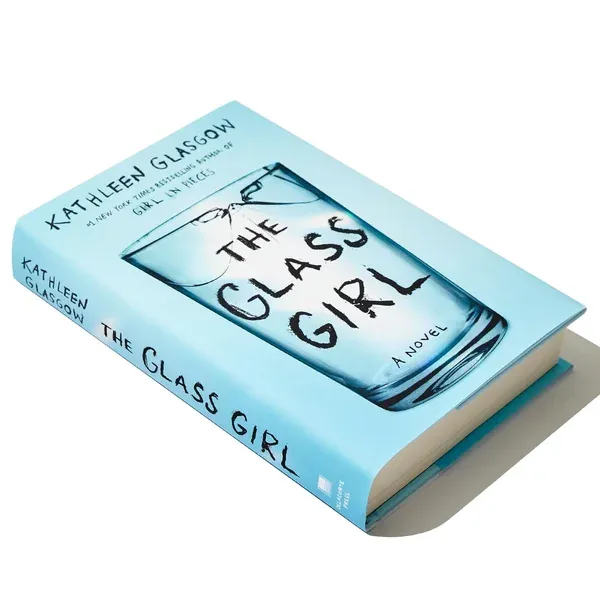
Front cover featuring a water glass with eyeglasses resting on the rim against a light blue background.
Subject Matter and Its Weight
Because The Glass Girl engages seriously with alcoholism, relapse, anxiety disorder, self-harm, and death, it is not a novel designed to soften its subject for comfort. Critical coverage' description of the book as "an unflinching portrayal of the complexities of one teenager's journey through alcoholism and recovery" signals that the narrative does not resolve its tensions quickly or cleanly. Sloan Harlow, a New York Times bestselling author, frames this very directness as the book's value: "You don't have to be a teen or have struggled with alcohol to need this book. You just have to be a human being." That kind of endorsement speaks to a novel that reaches beyond its target demographic — though its publisher lists a recommended reading age of 15 and up, and the high school setting and protagonist's age make it most naturally a YA title. Readers or parents seeking lighter or less issue-intensive fiction will want to weigh the book's frank subject matter against their expectations.
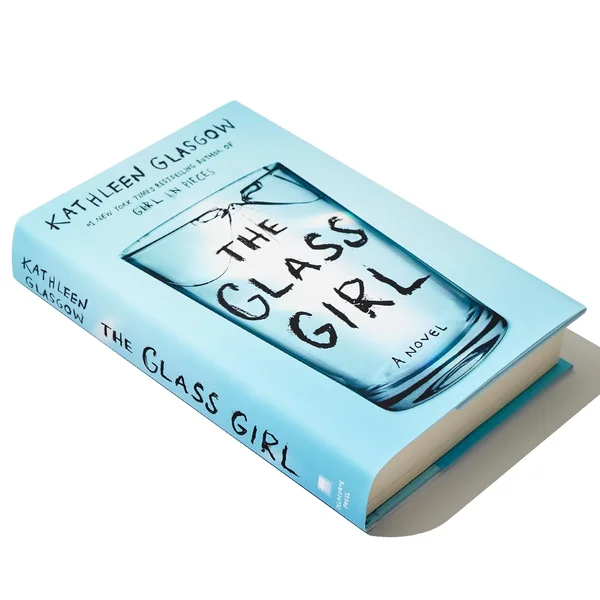
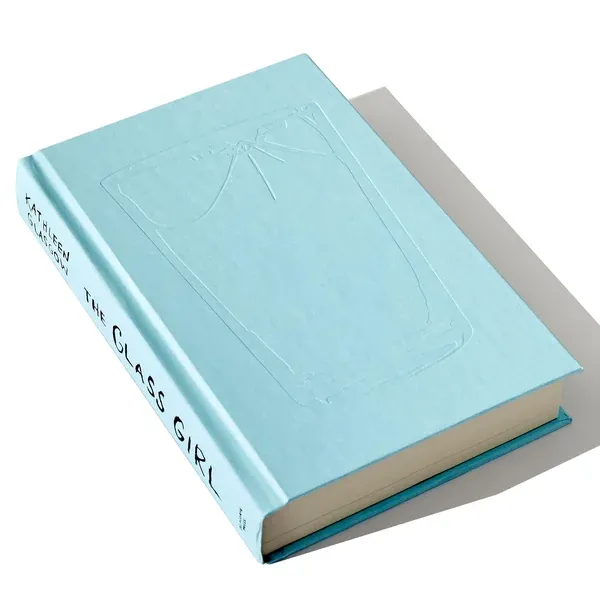
Front cover featuring a light blue background with a glass of water and embossed title text.
Who This Book Is For
The Glass Girl is designed for readers — teen and adult alike — who want fiction that takes addiction and mental health seriously without sentimentalizing them. Glasgow's established readership from Girl in Pieces will find familiar territory: the same investment in character interiority, the same refusal to make suffering tidy. Booklist's recommendation that booksellers and librarians stock multiple copies suggests the novel is well-suited to school and public library collections serving older teens. For readers new to Glasgow, this novel functions as both a strong entry point and a demonstration of what has earned her a devoted following — a voice that, as Meredith Adamo puts it, possesses "an unparalleled ability to breathe humanity into her characters, to make us hurt and hope and heal alongside them."
Frequently Asked Questions
Is The Glass Girl worth reading?
The review positions The Glass Girl as one of Kathleen Glasgow's strongest works, backed by starred reviews from both Booklist and Publishers Weekly and consistent praise from fellow authors. Booklist went so far as to recommend that libraries stock multiple copies, a signal of strong anticipated demand. The key caveat is that the novel engages frankly with alcoholism, relapse, self-harm, anxiety disorder, and death, so readers seeking lighter fiction should weigh that against their expectations.
Who is this book written for?
The publisher lists a recommended reading age of 15 and up, and the high school setting and fifteen-year-old protagonist make it most naturally a YA title. However, author Sloan Harlow, a New York Times bestselling author, argues that 'you don't have to be a teen or have struggled with alcohol to need this book — you just have to be a human being,' suggesting the novel reaches well beyond its core demographic. Booklist also recommends it for school and public library collections serving older teens.
What is this book about?
The Glass Girl centers on Bella, a fifteen-year-old whose relationship with alcohol has quietly spiraled out of control. The turning point arrives when she gets blackout drunk at a Thanksgiving party and wakes up in a hospital, after which her mother sends her to an outdoorsy rehabilitation center. Glasgow structures the narrative around Bella's experiences there — her interactions with fellow residents, her resistance and gradual openness, and the texture of daily life inside a program that offers no easy fixes.
What themes does this book explore?
The novel's central themes are alcoholism and recovery, but Glasgow carefully threads in relapse, anxiety disorder, self-harm, and death alongside that main arc. The publisher frames the book as 'a candid exploration of the forces pushing young women toward addiction — and what it really takes to help them get better.' The review notes that nothing comes easily for Bella, and the narrative does not resolve its tensions quickly or cleanly.
How does Glasgow handle the recovery storyline?
According to critical coverage cited in the review, Glasgow depicts Bella's journey 'with realistic nuance; nothing comes easily,' incorporating relapses rather than a straightforward path to healing. The rehabilitation center's program is built around self-awareness and self-reliance, and the novel follows the texture of daily life inside it without offering easy fixes. This unflinching approach is consistently identified as one of the book's defining strengths.
Who is Bella in this book?
Bella is the fifteen-year-old protagonist at the center of the novel, a teenager whose drinking has escalated to the point of crisis. Author Meredith Adamo describes her as 'a girl torn between her brain and her heart who carries far too much on her own at just fifteen.' Glasgow's portrayal of Bella is widely praised for its compassion and interiority, with Adamo crediting Glasgow's 'unparalleled ability to breathe humanity into her characters.'
What is the inciting incident in this book?
The novel's turning point is Bella getting blackout drunk at a Thanksgiving party and waking up in a hospital. This moment forces Bella and her family to confront a crisis that can no longer be minimized. It is the event that leads her mother to send her to a rehabilitation center, setting the main narrative in motion.
What is the rehabilitation center like in the novel?
The review describes it as an outdoorsy rehabilitation center whose program is built around self-awareness and self-reliance. Glasgow structures much of the narrative around Bella's daily life there, including her interactions with fellow residents and her gradual movement from resistance to openness. The program is portrayed as offering no easy fixes, consistent with the novel's broader commitment to realism.
How is Glasgow's writing style described in the review?
The review highlights two qualities that critics consistently praise: Glasgow's lyrical prose and her capacity for compassion. Booklist's starred review states that 'Glasgow's gift for writing is in full force here,' while author Laura Nowlin credits her 'haunting lyricism and trademark ability to break your heart and remake it stronger.' The overall picture is of a voice that is emotionally precise and deeply humane.
What books is this book compared to?
Publishers Weekly's starred review, as quoted in web sources, describes the novel as 'combining The Bell Jar with Euphoria,' situating it at the intersection of literary lineage and contemporary cultural moment. This comparison places The Glass Girl in a tradition of serious, issue-driven literary fiction that treats adolescent suffering with the same artistic rigor applied to adult novels.
Sources & Further Reading
The key facts and claims in this review are grounded in the retrieved, verified sources listed below.
- 1
kirkusreviews.com
- 2
literaryhypewoman.com
- 3
- 4
- 5
blog.ripplefoundation.ca
- 6
commonsensemedia.org
- 7
saintjosephsquare.com
- 8
- 9
storylinks.booklinks.org.au
- 10
penguinrandomhouse.com
- 11
barnesandnoble.com
Reader Comments
No comments yet
Be the first to share your thoughts!