
BOOKS

Published
Read Time
7 min read
Share This Review
Our review
The Ballad of Never After by Stephanie Garber Review: A Breathless, Twist-Laden Fantasy Sequel
The Ballad of Never After is the #1 New York Times bestselling second installment in Stephanie Garber's Once Upon a Broken Heart series, continuing the story of Evangeline Fox and the enigmatic Jacks, the Prince of Hearts, across a world of magic, mystery, and fractured trust. This review is based on published sources and the record of critical and reader reception — not hands-on reading.
In This Review
- What Works & What Doesn't
- What the Story Is and Does
- Worldbuilding and Atmosphere
- The Central Relationship and Its Appeal
- Signature Twists and Pacing
- Who This Book Is For
What Works & What Doesn't
What Works
- #1 New York Times bestseller with broad, proven readership and international reach
- Critical coverage credits Garber with 'exquisitely imagined worldbuilding and her trademark heady romance'
- Jacks, the Prince of Hearts, is consistently cited as a compelling and surprising villain-love-interest
- Constructed around Garber's signature plot twists, designed to keep readers engaged through the final page
- Aimed squarely at YA readers aged 13–18 while drawing an audience well beyond that range
What Doesn't
- Functions as a direct serial continuation — readers who have not read Once Upon a Broken Heart will lack essential context
- Ends on a significant cliffhanger, which, consistent with the series' pattern, requires continued investment across remaining volumes
A #1 New York Times bestseller, The Ballad of Never After delivers the twists and atmospheric romance Garber's fanbase has come to expect — though its power is fully felt only by readers who begin at book one.
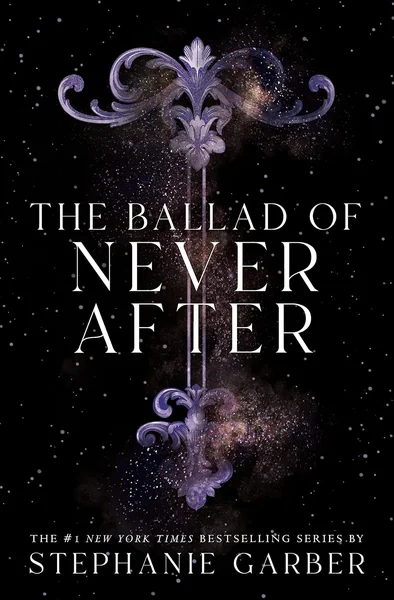
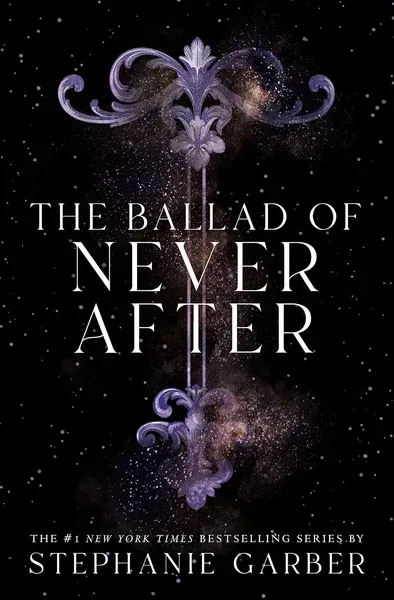
The Ballad of Never After (Once Upon a Broken Heart, 2) by Stephanie Garber front cover
What the Story Is and Does
The Ballad of Never After picks up in the aftermath of betrayal. After Jacks, the Prince of Hearts, betrays her trust, Evangeline Fox swears she will never trust him again — yet the two are drawn back together on a new journey of magic, mystery, and heartbreak through Garber's lushly constructed fairytale world. The novel is the second of four books in the Once Upon a Broken Heart series, published by Flatiron Books, and it functions squarely as a continuing serial narrative rather than a standalone: readers unfamiliar with Evangeline's earlier choices and Jacks's layered motivations will find themselves without crucial context. The central tension — can Evangeline reconcile her wariness of Jacks with the forces pulling them together — drives the plot forward through escalating magical stakes.
“enchants readers with exquisitely imagined worldbuilding and her trademark heady romance.”
Worldbuilding and Atmosphere
One of the most consistently praised qualities of Garber's work across this series is her construction of an immersive fairytale world. Critical coverage, in a blurb tied to the series, notes that Garber "enchants readers with exquisitely imagined worldbuilding and her trademark heady romance." That sensibility is central to what The Ballad of Never After is designed to deliver: an atmospheric return to a setting that is ornate, unpredictable, and steeped in dark whimsy. The novel's world is not backdrop but texture — the magic, the mystery, and the emotional register are interwoven so that the setting itself carries narrative weight. Isabel Ibañez, a #1 New York Times bestselling author, described the series' world as one that "will leave you breathless," pointing to the immersive quality that distinguishes Garber's fantasy from more grounded YA fare.
The Central Relationship and Its Appeal
Jacks, the Prince of Hearts, is the engine of the series' romantic and dramatic tension, and The Ballad of Never After leans into that dynamic fully. He is explicitly framed as a villain-love-interest — charismatic, dangerous, and unpredictable — and the push-and-pull between him and Evangeline is the emotional core of the novel. New York Times bestselling author Brigid Kemmerer, commenting on the series, described Evangeline as "a cunning heroine" and noted that "Jacks never stopped surprising me." That quality of sustained surprise — Jacks resisting easy categorization — is one of the specific draws the record attributes to the series, and it carries through into this sequel. Readers drawn to morally complex love interests and tension-filled dynamics are the audience this book is most directly designed to serve.
Signature Twists and Pacing
Garber's reputation for plot twists is a defining feature of her brand, and The Ballad of Never After is constructed around that expectation. Publishers and booksellers consistently describe it as "fraught with Stephanie Garber's signature twists and turns" — a structural promise that the novel will not coast on its romantic premise but will actively destabilize reader expectations. The book is further described as "pulse-pounding" and designed to leave readers "enthralled through the very last page." One reader who received an advance copy noted the novel ends on a significant cliffhanger — a continuation of the approach established in the first book and consistent with the series' serialized architecture. For readers who find cliffhanger endings frustrating, this is a known feature of the Once Upon a Broken Heart format rather than an aberration.
Who This Book Is For
The Ballad of Never After is squarely aimed at readers aged 13 to 18, though its fanbase demonstrably extends beyond that range. As the second entry in a four-book series, it rewards — and in practical terms requires — familiarity with Once Upon a Broken Heart. Readers who have followed Evangeline from the beginning will find this installment intensifies both the emotional and magical dimensions of the story. Those new to Garber's work are best served starting with book one; the series rewards investment in its world and characters over time. Given that Garber's books have been translated into more than thirty languages and she holds #1 New York Times bestseller status across multiple series, the reception context for this novel is one of broad, established readership rather than niche appeal.
Frequently Asked Questions
Is The Ballad of Never After worth reading?
The review describes it as a pulse-pounding, atmospheric sequel that delivers the twists and romance Garber's fanbase expects. LuvemBooks notes it is best appreciated by readers who have already completed book one, as the emotional and magical stakes build directly on the first installment.
Who is the target audience for this book?
The Ballad of Never After is aimed at readers aged 13 to 18, though the review notes its fanbase demonstrably extends beyond that range. Readers drawn to morally complex love interests, tension-filled romantic dynamics, and immersive fairytale worlds are the audience this book is most directly designed to serve.
Can you read this book as a standalone?
According to the review, this book functions as a continuing serial narrative rather than a standalone. Readers unfamiliar with Evangeline's earlier choices and Jacks's layered motivations will find themselves without crucial context, so starting with book one is strongly advised.
Is this book good value at its current price?
The review positions the book within the context of a broad, established readership — Garber holds number one New York Times bestseller status across multiple series and her books have been translated into more than thirty languages. For fans already invested in the Once Upon a Broken Heart series, the review suggests the installment delivers on its promises and rewards that investment.
What is the central theme of this book?
The review identifies trust and betrayal as the emotional core of the novel. The central tension — whether Evangeline Fox can reconcile her wariness of Jacks with the forces pulling them together — drives the plot forward through escalating magical stakes.
What themes does the book explore?
The review highlights themes of betrayal, trust, and morally complex romance, all set within a world of dark whimsy and magic. The interplay between heartbreak and hope is woven into both the plot and the atmospheric setting itself, making the emotional and fantastical elements inseparable.
How does the plot structure work in this sequel?
The review describes the novel as built around Garber's signature twists and turns, with a structure designed to actively destabilize reader expectations rather than coast on its romantic premise. It ends on a significant cliffhanger, consistent with the serialized architecture established in the first book.
Does this book end on a cliffhanger?
Yes — the review notes that an advance reader flagged a significant cliffhanger ending, which is described as a continuation of the approach established in the first book. LuvemBooks frames this as a known feature of the Once Upon a Broken Heart format rather than an aberration, so readers who find cliffhangers frustrating should be aware.
What is the pacing like in this book?
The review describes the novel as pulse-pounding and designed to keep readers enthralled through the very last page. Garber's reputation for plot twists means the book is structured to continually escalate tension rather than settle into a comfortable rhythm.
Who is Jacks and why does he matter to the story?
Jacks, the Prince of Hearts, is described in the review as the engine of the series' romantic and dramatic tension. He is framed as a villain-love-interest — charismatic, dangerous, and unpredictable — and New York Times bestselling author Brigid Kemmerer noted that he never stopped surprising her, pointing to his resistance to easy categorization as one of the series' specific draws.
Sources & Further Reading
The key facts and claims in this review are grounded in the retrieved, verified sources listed below.
- 1
- 2
cavalierhousebooks.com
- 3
- 4
- 5
bookishwayfarer.com
- 6
- 7
lythrumpress.com.au
- 8
- 9
- 10
Related Reviews
Reviews of books we picked for readers who enjoyed The Ballad of Never After.
Reader Comments
No comments yet
Be the first to share your thoughts!