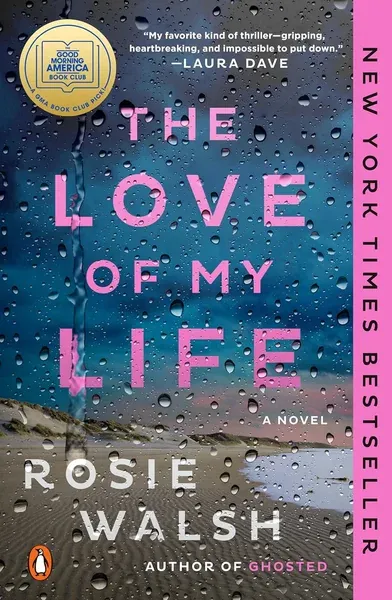
Is The Love of My Life worth reading? Rosie Walsh's latest offering explores the fragile architecture of long-term relationships with her signature blend of emotional depth and narrative craft. This GMA Book Club selection tackles the uncomfortable question of how well we truly know the people we love most, delivering both intimate character study and page-turning revelation.
Rosie Walsh has built a reputation for novels that examine love's complexities without resorting to simple answers. Her previous works demonstrate skill at weaving contemporary romance with deeper psychological exploration. Unlike most relationship novels, this story refuses to offer easy resolution, instead demanding readers confront the messy realities of trust and forgiveness.
When Love Meets Deception
The novel centers on a marriage tested by revelations that threaten its very foundation. Walsh structures the narrative around the gradual unveiling of secrets, allowing tension to build through carefully controlled pacing rather than dramatic bombshells. The protagonist discovers information about her partner that forces her to question not just their relationship, but her own judgment and the nature of love itself.
The strength lies in Rosie Walsh's refusal to paint anyone as purely victim or villain. Both central characters carry responsibility for their situation, creating a moral complexity that elevates the story beyond typical relationship drama. The main weakness emerges in the novel's middle section, where the pacing occasionally stalls as Walsh over-explains emotional nuances that her skilled characterization has already conveyed.
Prose That Cuts Deep
Walsh writes with surgical precision about emotional pain. Her sentences carry weight without becoming overwrought, capturing the particular ache of loving someone who has fundamentally deceived you. The dialogue feels authentic to contemporary relationships, avoiding both the stilted formality of literary fiction and the artificial wit of commercial romance.
The author's background in journalism shows in her economical use of detail. Rather than drowning readers in description, she selects specific, telling moments that illuminate character and advance the emotional arc. Her greatest strength lies in making readers feel complicit in the characters' choices, understanding how good people can make devastating decisions.
A Marriage Under Microscope
The central relationship receives thorough examination without becoming clinical. Rosie Walsh explores how couples create private languages and shared mythologies, then shows how devastating it can be when those foundations crack. The supporting characters serve specific functions rather than existing as mere plot devices, each representing different approaches to love and commitment.
For readers who enjoy character-driven fiction, the psychological depth will satisfy. However, those seeking clear moral guidance or tidy resolution may find the ambiguous ending frustrating. Walsh trusts her readers to grapple with complexity rather than providing comfortable answers.
Themes That Resonate
The novel examines forgiveness not as a single act but as an ongoing choice. Walsh explores how past traumas shape present relationships and whether love can survive fundamental breaches of trust. The question of whether people can truly change runs throughout the narrative, examined through multiple character arcs.
The exploration of identity within marriage proves particularly compelling. Walsh shows how couples can lose themselves in shared identity, making individual growth feel like betrayal. The novel asks whether maintaining a relationship sometimes requires sacrificing personal truth, and whether such sacrifice is noble or destructive.
Where It Stumbles
Despite its emotional intelligence, the novel suffers from occasional pacing issues. The revelation of key information feels slightly forced, as if Walsh worried readers might not grasp the full implications without extended explanation. Some secondary plot threads receive insufficient development, leaving certain character motivations unclear.
The ending feels somewhat abrupt after the careful buildup, though this may be intentional given the novel's themes about life's lack of clean resolution. Readers expecting traditional closure may feel unsatisfied, though those who appreciate literary ambiguity will find the conclusion appropriate.
Worth Your Reading Time?
The Love of My Life succeeds as both relationship drama and literary examination of love's complexities. Rosie Walsh demonstrates considerable skill in creating characters who feel genuinely human rather than constructed to serve plot needs. Perfect for readers who enjoy psychological thrillers with complex characters, this novel offers psychological depth without sacrificing readability.
Not recommended for those seeking light romantic escapism or clear moral lessons. The emotional weight and ambiguous resolution require reader investment and comfort with complexity. The bottom line: a thoughtful, well-crafted exploration of marriage that will linger in memory long after the final page.
Where to Buy
You can find The Love of My Life at Amazon, Barnes & Noble, your local independent bookstore, or directly from the publisher.