

7 min read
4.4
· 92,587 Amazon ratingsShare This Review
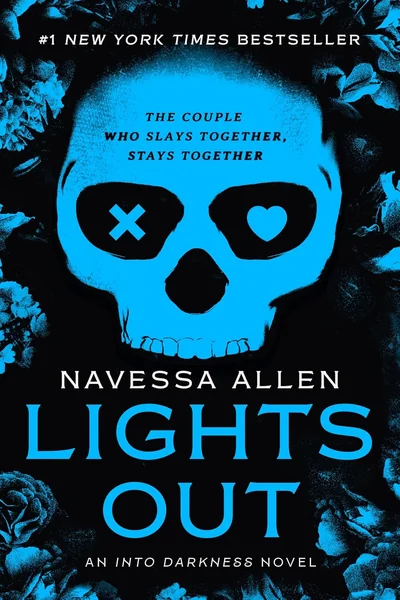
Lights Out (Into Darkness Book 1) by Navessa Allen Review: A Darkly Comic Stalker Romance That Delivers
Navessa Allen's Lights Out is the debut entry in the Into Darkness series — a #1 New York Times bestselling dark romance that blends stalker-fantasy tropes, high heat, and gallows humor into a fast-paced story about trauma nurse Aly Cappellucci and cybersecurity expert Josh Hammond, complicated by a third party whose intentions are far more sinister than either of theirs.
LuvemBooks Verdict
Best for
Readers already at home in the stalker-romance subgenre who want a series opener that pairs genuine heat and moral darkness with sharp comic relief and a thriller undercurrent.
Worth it if
You enjoy morally gray male leads, consensual dark fantasy, and a tonal blend of gallows humor and eroticism — and you're willing to engage the premise on its own genre terms after checking the upfront content warnings.
Skip if
If morally unambiguous heroes, softened dark-romance edges, or a slower-burn emotional arc are what you're after, the book's stalker-fantasy premise and hybrid comedy-thriller register will feel like a fundamental mismatch rather than a feature.
What readers & critics say
Reviewer sources including courtneyreadsromancesite.wordpress.com and foxyfables.blog confirm the book's fast-paced, high-heat reputation, with foxyfables.blog calling the first 75% a near five-star read before minor reservations at the close. The ursummary.com overview describes it as "a deeply strange, aggressively spicy love story about two people who find comfort in each other's darkness," written with audacity, while sprayededges.water.blog highlights the tension, banter, and chemistry between the leads as particular strengths.
Sources: Courtney Reads Romance, Foxy Fables, URSummary, Sprayed EdgesAge & Reading Level
Recommended age
Adult
Reading level
Adult
4 content notes · who it suits
Content to know about
Best for: Adults only — the book is built around explicit consensual dark fantasy, obsessive behavior, and content the publisher flags as potentially disturbing; not suitable for readers under 18.
Skip if you prefer morally unambiguous heroes or romance without a stalker-fantasy premise at its core.
In This Review
- What Works & What Doesn't
- What the Book Is and What It Sets in Motion
- Cultural Footprint and Series Standing
- Strengths: Banter, Character Contrast, and Tonal Balance
- Limitations and Reader Fit
- Who It Is Genuinely For
What Works & What Doesn't
What Works
- Part of the #1 New York Times bestselling Into Darkness series, marking it as a proven entry point into a beloved dark romance trilogy
- Balances high-heat intensity with genuine comic relief — gallows humor and sharp banter are woven into the stalker-romance premise by design
- The 'black cat x golden retriever' dynamic between Aly and Josh, combined with the 'he falls first' trope, gives the central relationship a distinct emotional texture
- A thriller subplot — Aly attracting a far more dangerous admirer — adds narrative stakes beyond the romance and drives the series arc forward
- The book includes content warnings upfront, giving readers the information they need to engage on their own terms
What Doesn't
- The stalker-romance premise is not diluted or softened — readers who do not enjoy morally gray male leads or consensual dark fantasy will find the book's core conceit a fundamental mismatch
- The tonal blend of comedy and darkness requires a specific reader appetite; those seeking either pure thriller tension or straightforward emotional romance may find the hybrid register uneven
What the Book Is and What It Sets in Motion
Cultural Footprint and Series Standing
Strengths: Banter, Character Contrast, and Tonal Balance
Limitations and Reader Fit
Who It Is Genuinely For
Frequently Asked Questions
Sources & Further Reading
The key facts and claims in this review are grounded in the retrieved, verified sources listed below.
- Cited in this review
- 1
theenchantedravenbookshop.com
- 2
- 3
- 4
navessaallen.com
- Further reading
- 5
- 6
- 7
booksthatslay.com
- 8
- 9
Related Reviews
Reviews of books we picked for readers who enjoyed Lights Out.
Reader Comments
No comments yet
Be the first to share your thoughts!